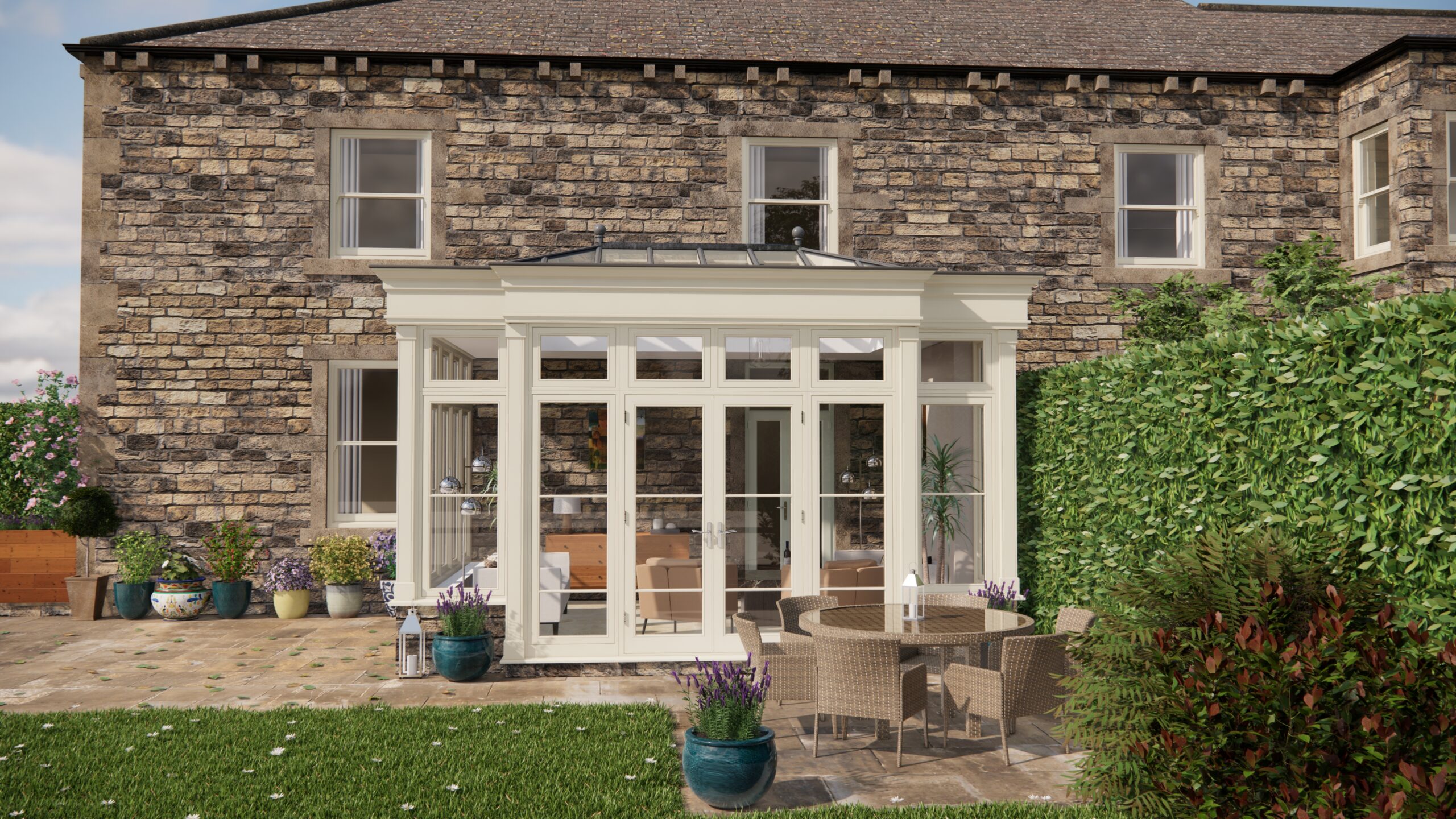
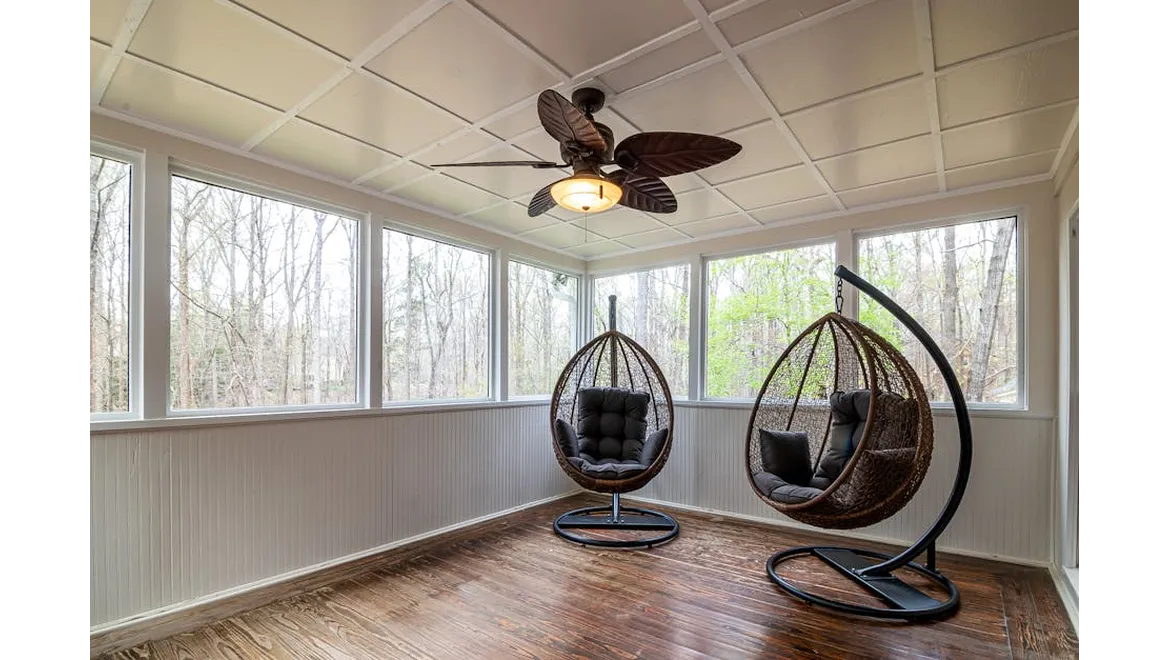
I’ve always been fascinated by how spaces affect our well-being. Recently, I’ve been diving into articles about wellness and how to best use your home for exercise and relaxation, especially focusing on how things like yoga and meditation can be adapted for all ages and abilities. The idea of turning an orangery or sunroom into a dedicated wellness space really piqued my interest, so I decided to chat with Naomi, who actually did it! I wanted to pick her brain about the whole process, and how it’s impacted her life.
“So, Naomi, what inspired you to transform your orangery into a wellness space?” I began, settling into a comfy chair with a notepad ready.
Naomi smiled. “Well, I’d been feeling the need for a more consistent wellness routine, but fitting it into my life was a challenge. Gym memberships felt impersonal, and I didn’t always feel motivated to practice yoga alone in my living room. Our orangery, beautiful as it was, was mostly just… sitting there! It felt like a waste. Then I read an article about social wellness and the importance of connection, and the idea just clicked. Small group yoga, meditation, maybe even a book club – all in a bright, welcoming space.”
That got me thinking. A key part of this is the social connection. It’s not just about doing yoga; it’s about doing it together.
“What were the first steps you took?” I asked, eager to learn the practicalities.
“First, decluttering!” Naomi laughed. “The orangery had become a bit of a dumping ground. We cleared everything out and really assessed the space. We considered things like flooring – something warm and comfortable underfoot was essential. We opted for cork flooring as it’s eco-friendly and soft.”
“Smart choice,” I commented. “Comfort is key. What about the atmosphere? How did you make it feel welcoming?”
“Lighting was crucial. We added dimmer switches so we could adjust the brightness depending on the activity and time of day. Think warm, soft light for meditation, and brighter, more invigorating light for yoga. Plants were also a must. They bring a sense of calm and connection to nature. We have a variety of succulents, ferns, and even a small lemon tree. Scent also plays a big part. We have an aromatherapy diffuser with essential oils like lavender and eucalyptus, depending on the mood we want to create. Finally, it’s important to have good temperature control so underfloor heating is important”
“That sounds incredibly inviting,” I said, picturing it in my mind. “What about inclusivity? How do you make sure everyone feels comfortable and welcome?”
“That’s really important to me,” Naomi emphasized. “We make sure to offer modifications for all abilities in our yoga sessions. We also encourage everyone to listen to their bodies and only do what feels comfortable. We always start with a check-in, where everyone can share how they’re feeling, and we end with a shared cup of herbal tea. It’s about creating a non-judgmental space where everyone feels safe and supported.”
I was particularly interested in how Naomi adapted the space for different activities. “How do you transition between yoga and, say, a book club?”
“Flexibility is key! We have foldable yoga mats and blankets that can be easily stored away. We use comfortable floor cushions for meditation sessions. For the book club, we rearrange the furniture to create a more conversational setting, adding comfy armchairs and a small table for tea and snacks. It’s about adapting the space to suit the specific activity.”
Before I left, I asked Naomi for her top tip for anyone considering creating a similar space. “Don’t be afraid to start small! You don’t need to have everything perfect right away. Start with decluttering, adding a few plants, and experimenting with lighting and scent. The most important thing is to create a space that feels good to you and invites you to relax and connect with yourself and others.”
Naomi’s experience highlights how transforming a space like an orangery can drastically improve your wellbeing. By focusing on comfort, atmosphere, and inclusivity, you can create a dedicated wellness space that fosters both physical and mental health. Remember to think about the flooring, consider cork underlay and comfortable underfoot coverings. Also plan for adequate temperature control and lighting. And don’t forget the power of social connection – sharing wellness practices with others can be incredibly rewarding. So, whether it’s yoga, meditation, or simply enjoying a good book in a sun-drenched room, your home can be your sanctuary.