Right, let’s talk about pure indulgence. Not the kind you feel guilty about later, but the kind that leaves you feeling warm, sophisticated, and just a little bit fancy. I recently hosted a wine and chocolate pairing evening and, honestly, it was a resounding success. I thought I’d share my experience and some tips so you can replicate it at home – no sommelier qualifications required!
Setting the Scene
First things first: atmosphere. You want your guests to feel relaxed and ready to explore. Soft lighting is key – candles are your best friend here. I dimmed the overhead lights and scattered tealights around the living room. Music should be subtle, something instrumental perhaps, to encourage conversation without overpowering it. I used a playlist of classical guitar, which seemed to hit the right note.
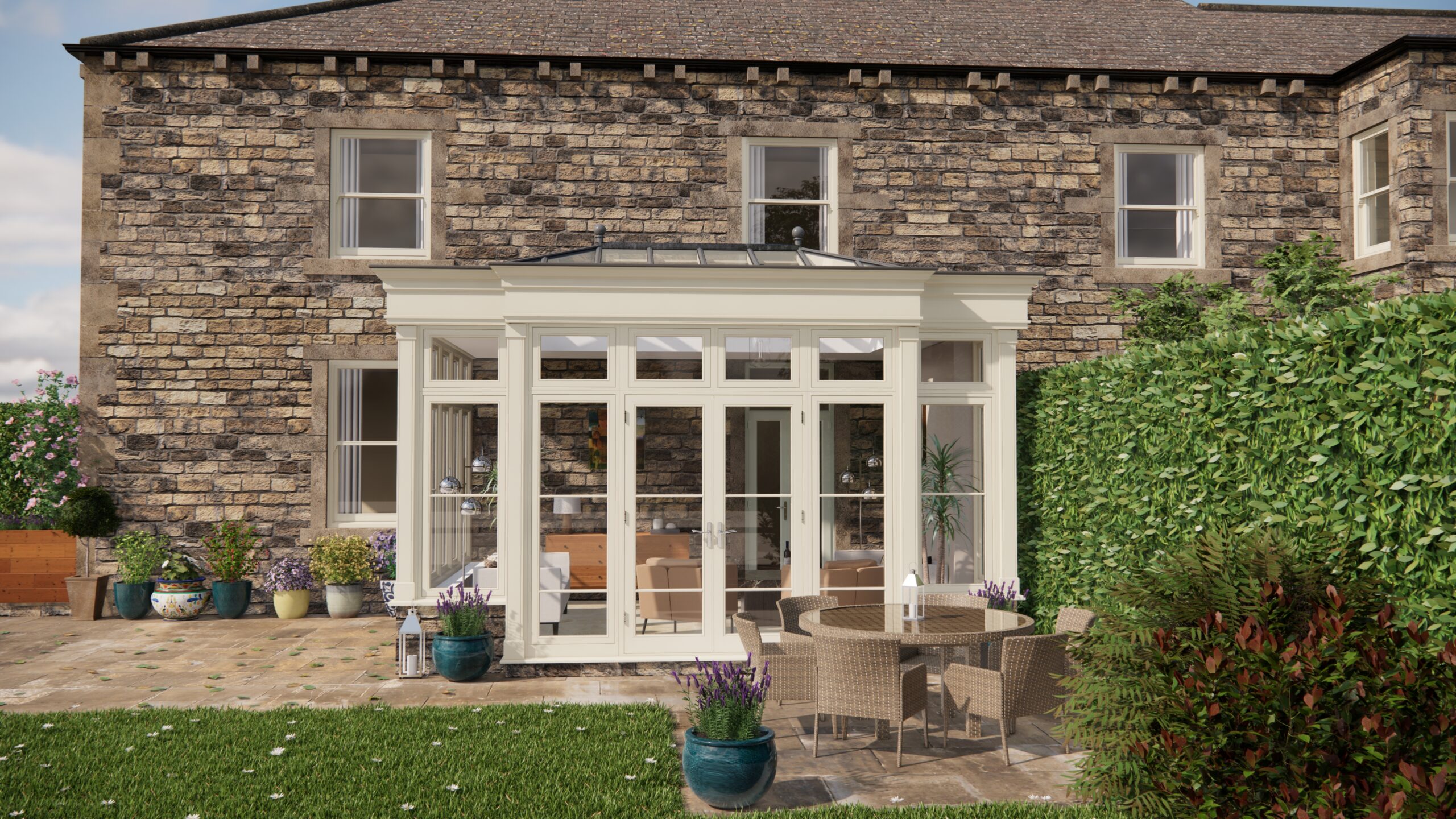
I’d actually planned to have everyone gather in our orangery. The natural light filtering through the glass roof creates a wonderful, inviting space, and it opens directly onto the garden. Sadly, the weather had other plans! But if you have an orangery, consider it – even in slightly cooler weather, it offers a unique and beautiful setting. Think strings of fairy lights draped across the roof and potted plants to enhance the garden connection.
Choosing Your Chocolate Heroes
Now, the stars of the show: chocolate! Don’t just grab any old bar from the supermarket. Variety is key here. I opted for four different types, each offering a distinct flavour profile:
- White Chocolate: Something creamy and smooth. Look for one with vanilla bean notes.
- Milk Chocolate: A classic, but choose a good quality one with a decent cocoa percentage (around 40%).
- Dark Chocolate (70%): This is where things start getting interesting. The bitterness will contrast beautifully with sweeter wines.
- Dark Chocolate (85% or higher): The real challenge! This is for the adventurous palates.
I laid out small squares of each chocolate on a tasting plate, with a little space between them so the flavours wouldn’t bleed into each other.
Selecting Your Wine Companions
The wine choices are just as important. You want wines that will complement, not clash, with the chocolate. Here’s what I went with:
- Moscato d’Asti: Lightly sparkling and wonderfully sweet. Perfect with the white chocolate.
- Pinot Noir: A red with bright fruit flavours and subtle earthiness. It plays well with milk chocolate.
- Port (Tawny): Rich, nutty, and fortified. A classic pairing for dark chocolate (70%).
- Cabernet Sauvignon: A full-bodied red with bold tannins. Surprisingly, it can work with very dark chocolate if the wine has softened tannins.
I served the wines in small tasting glasses, so guests could easily sample each one without overindulging too quickly. Remember to provide water between tastings to cleanse the palate.
The Tasting Experience: A Step-by-Step Guide
Here’s how I guided my guests through the tasting:
- Appearance: First, look at the wine. Notice its colour and clarity.
- Aroma: Swirl the wine gently in your glass and take a deep sniff. What aromas do you detect? (Fruit, spices, oak?)
- Taste: Take a small sip and let it coat your tongue. Pay attention to the flavours, acidity, and tannins.
- Chocolate Pairing: Now, take a bite of the corresponding chocolate. Let it melt in your mouth and then take another sip of the wine. How has the chocolate changed the wine’s flavour profile? Does it enhance or detract?
- Repeat: Do this for each wine and chocolate pairing, encouraging guests to share their thoughts and discoveries. It’s amazing how different each person’s palate is!
Tips for a Luxurious Experience:
- High-Quality Ingredients: Don’t skimp on the chocolate or wine. Invest in the best you can afford.
- Presentation Matters: Use elegant glassware and serving dishes. Small details make a big difference.
- Palate Cleansers: Offer water, plain crackers, or even slices of apple to cleanse the palate between pairings.
- Don’t Be Afraid to Experiment: These are just suggestions. Feel free to try different combinations and see what works for you.
- Keep it Relaxed: The most important thing is to have fun! Don’t get too bogged down in the technicalities. Enjoy the company, the conversation, and the delicious pairings.
The secret to a successful wine and chocolate pairing evening is really just careful planning and a touch of creativity. The key is to create an inviting atmosphere, select quality ingredients, and guide your guests through the tasting experience. Provide water, and be willing to experiment. It’s a wonderfully indulgent way to entertain at home, and one that will definitely leave a lasting impression.