
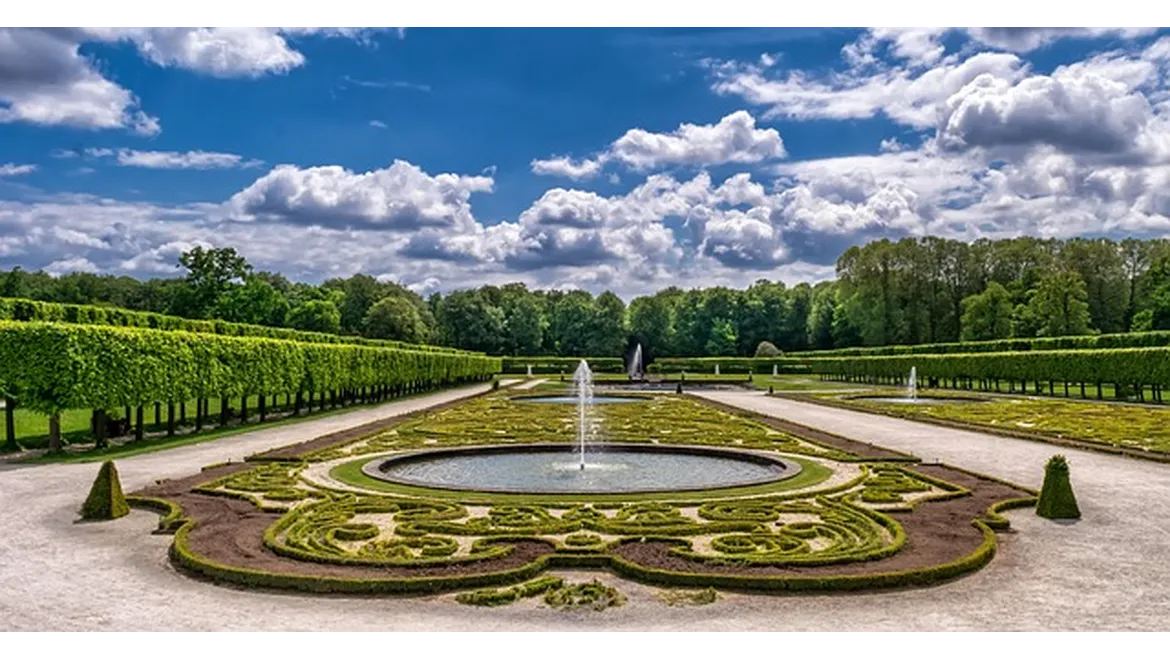
So, you’ve poured your heart (and probably a good chunk of your savings!) into creating the perfect outdoor space. Lush flowerbeds, a neatly trimmed lawn, and… stunning hard landscaping. But what happens when that beautiful paving starts to look grimy, or your fence begins to weather? That’s where maintenance comes in! I sat down with James, a true hard landscaping guru, to pick his brains on keeping those features looking their best.
“James, thanks for chatting! Let’s start with the basics. Different paving materials need different care, right?” I asked.
“Absolutely,” James replied, settling back in his chair. “Think of it like skincare – you wouldn’t use the same cleanser on oily skin as you would on dry! For natural stone, like sandstone or limestone, a gentle pressure wash is usually enough to remove surface dirt. But avoid harsh chemicals – they can damage the stone. For concrete paving, you can be a bit more robust. A stronger pressure wash and even a paving cleaner designed for concrete can work wonders. Block paving? Regular sweeping is key to prevent moss and weeds from taking hold. And if you get oil stains, act fast with a degreaser and some absorbent material like sawdust.”
Cleaning Techniques: The Nitty-Gritty
- Natural Stone: Soft brush, mild detergent, low-pressure wash. Test in an inconspicuous area first!
- Concrete Paving: Stiff brush, paving cleaner, medium-pressure wash. Rinse thoroughly.
- Block Paving: Regular sweeping, weed killer for joints, occasional power wash.
“What about those dreaded cracks, James? Patios can suffer, especially after a harsh winter.”
“Ah, cracks! The bane of every landscaper’s life,” he chuckled. “Small cracks in paving can often be filled with a flexible mortar repair compound. Make sure to clean out the crack thoroughly before applying the compound. For larger cracks or damaged slabs, it’s often best to replace the entire slab. Matching the colour and texture of the existing paving can be tricky, so take a sample to your local builders’ merchant.”
Repairing Damage: A Step-by-Step Guide
- Clean the Crack: Remove loose debris with a wire brush and vacuum.
- Apply Repair Compound: Follow the manufacturer’s instructions. Overfill slightly, as it will shrink as it dries.
- Smooth and Finish: Use a trowel or sponge to blend the repair with the surrounding paving.
- Replace Damaged Slabs: Carefully lift the damaged slab, clean the base, and lay a new slab on a bed of mortar.
“Fences and wooden structures – they really take a beating in the UK weather, don’t they?” I commented.
“They do indeed. Regular treatment is essential. Start with a good clean – remove any moss or algae with a brush and a suitable cleaner. Once it’s dry, apply a wood preservative. This will protect the wood from rot and insect attack. Then, follow up with a stain or paint to add colour and further protection. Remember to choose a product that’s designed for outdoor use.”
Treating Wood: A Protective Shield
- Clean: Remove debris and algae. Let it dry thoroughly.
- Preserve: Apply wood preservative liberally.
- Stain/Paint: Choose weather-resistant products. Apply two coats for optimal protection.
“Weeds are a constant battle! Any advice on keeping them at bay in hard landscaping areas?”
“Prevention is key! A good quality weed membrane under your paving or gravel can make a huge difference. Regularly sweep your paving to remove any seeds that might germinate. And when weeds do appear, tackle them promptly with a weed killer designed for use on hard surfaces. A flame gun can also be effective, but be very careful around wooden structures or flammable materials.”
Weed Control: A Three-Pronged Approach
- Weed Membrane: Install under paving or gravel.
- Regular Sweeping: Remove seeds and debris.
- Weed Killer: Use a product specifically for hard surfaces.
“Finally, James, what about seasonal tasks? What should we be doing throughout the year to keep our hard landscaping in tip-top shape?”
“Autumn is all about clearing leaves. Decaying leaves can stain paving and encourage moss growth. In winter, remove snow and ice carefully, avoiding the use of salt on natural stone as it can damage it. A plastic shovel and grit are your best friends. In spring, give everything a good clean and check for any damage that needs repairing. And in summer, enjoy your beautiful garden!”
Seasonal Maintenance: A Year-Round Plan
- Autumn: Clear leaves regularly.
- Winter: Remove snow and ice carefully (avoid salt on natural stone).
- Spring: Clean everything and repair any damage.
- Summer: Enjoy your well maintained garden.
So, there you have it – expert advice from James on keeping your hard landscaping looking its best. Regular cleaning, prompt repairs, and a bit of seasonal care will not only prolong the lifespan of your paving, fences, and walls, but also ensure that your garden remains a beautiful and enjoyable space for years to come.