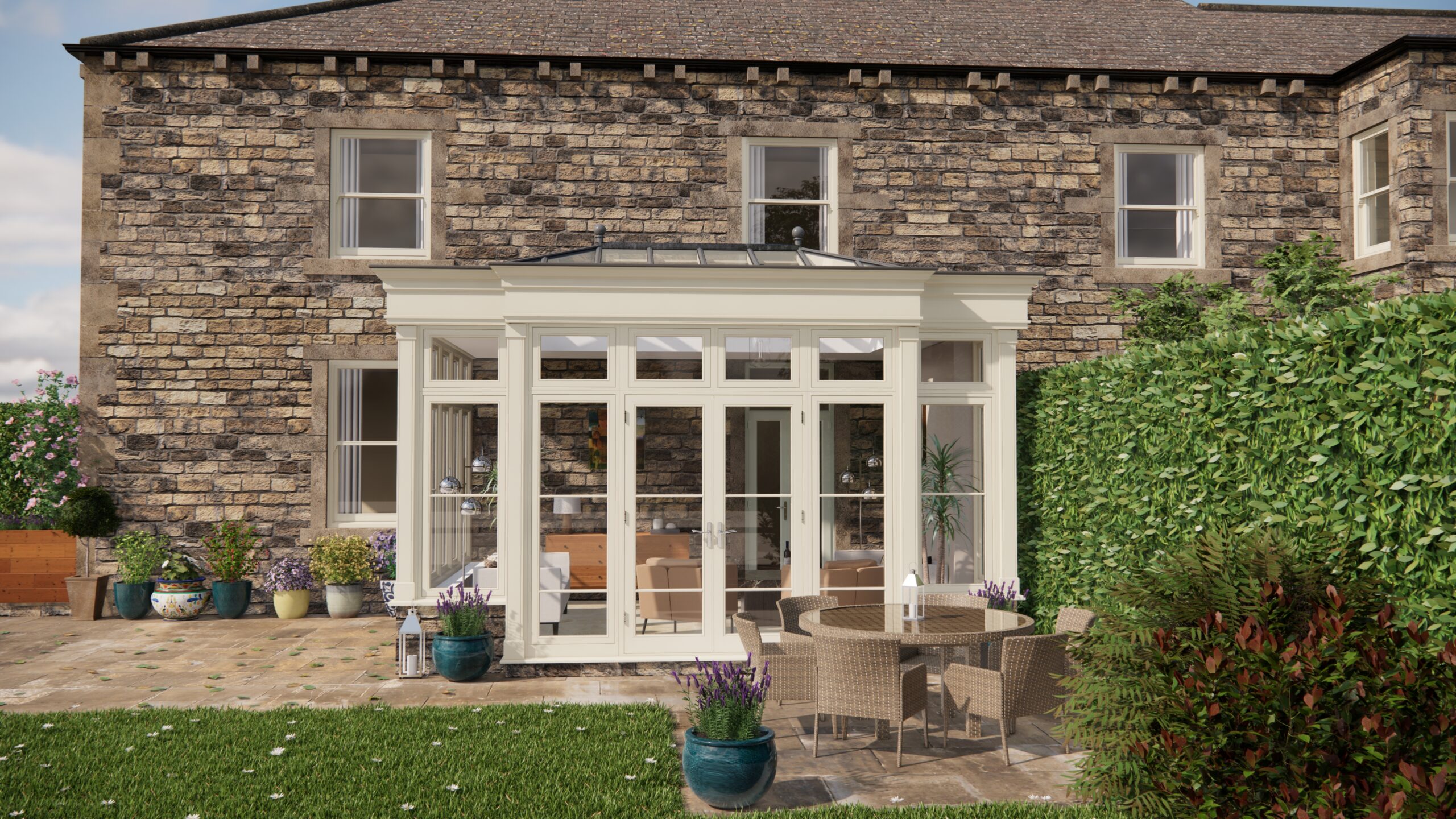
Right then, let’s talk orangeries and weather! I was chatting with Lola the other day, and we got deep into the weeds about keeping these beautiful structures snug and dry. It’s not just about stopping the damp, is it? It’s a whole system.
“It’s so much more than just slapping on some damp-proof course,” Lola said, sipping her tea. And she’s spot on. Think of your orangery as a tiny, sophisticated house, and you need to protect it from, well, everything!
Beyond Damp-Proofing: A Holistic Approach
Damp-proofing is obviously crucial. Get your foundations right, use a proper damp-proof membrane, and ensure good ventilation. But that’s just the start. We need to consider wind, rain, UV rays, and even the dreaded condensation.
Wind Resistance: Exposed locations need careful attention. Choose sturdy materials for the frame – hardwood or engineered timber are good choices. The glazing bars should be securely fixed, and consider reinforced glass, especially if you’re in a windy area. Lola made a point about planning permission for adding additional reinforcement, so always check with your local authority.
UV Protection: Sunlight is lovely, but it can wreak havoc on materials. Consider UV-resistant coatings on the glass to protect the interior from fading and degradation. Lola swears by blinds or shutters for added protection, especially during the summer months.
Thermal Performance: A comfortable orangery is a usable orangery. Good insulation is key. Double or even triple glazing is a must. Consider insulated walls and roof panels. Underfloor heating can also make a big difference. “It’s worth investing in good insulation,” Lola emphasised. “Otherwise, you’ll be throwing money out the window!”
Sealants and Weatherstripping: These are the unsung heroes of weather resistance. Use high-quality, flexible sealants around windows and doors to prevent water ingress. Weatherstripping creates a tight seal, minimising draughts and heat loss. Regularly inspect and replace them as needed. Lola mentioned using marine-grade sealant in particularly exposed areas, a great tip!
Condensation Management
Condensation can be a major problem in orangeries, especially in winter. Adequate ventilation is crucial. Consider trickle vents in the windows or a mechanical ventilation system. Keep the temperature consistent to minimise temperature fluctuations. Lola suggested using a dehumidifier during particularly damp periods.
Material Choices and Matching the Existing Property
Choosing the right materials is paramount, and matching them to your existing house is an art form. Consider brick, stone, or render that complements the main building. Timber frames should be treated with a suitable preservative to protect them from rot and insect attack. Lola pointed out that listed buildings often have strict requirements regarding materials, so research is key.
The Climate Change Factor
We also chatted about climate change. Wetter winters, hotter summers – it’s all impacting building materials. Consider materials that are durable and resistant to extreme weather conditions. Lola recommended researching materials with good environmental credentials, reducing your carbon footprint while ensuring longevity. We need to think long-term.
Planning and Building Regulations
Don’t forget planning permission and building regulations! Rules vary depending on the size and location of your orangery, and whether your property is listed. Always check with your local planning authority before starting any work. Lola said she found the planning portal really useful.
Keeping it all Together
So, there you have it – a whistle-stop tour of orangery weatherproofing. It’s a holistic process, considering everything from damp-proofing to climate change. Choosing the right materials, paying attention to detail, and regular maintenance are all essential for a long-lasting, comfortable, and beautiful orangery. Remember to always check the current planning guidelines and building regulations as well as always doing your research before starting your project! Thanks Lola!