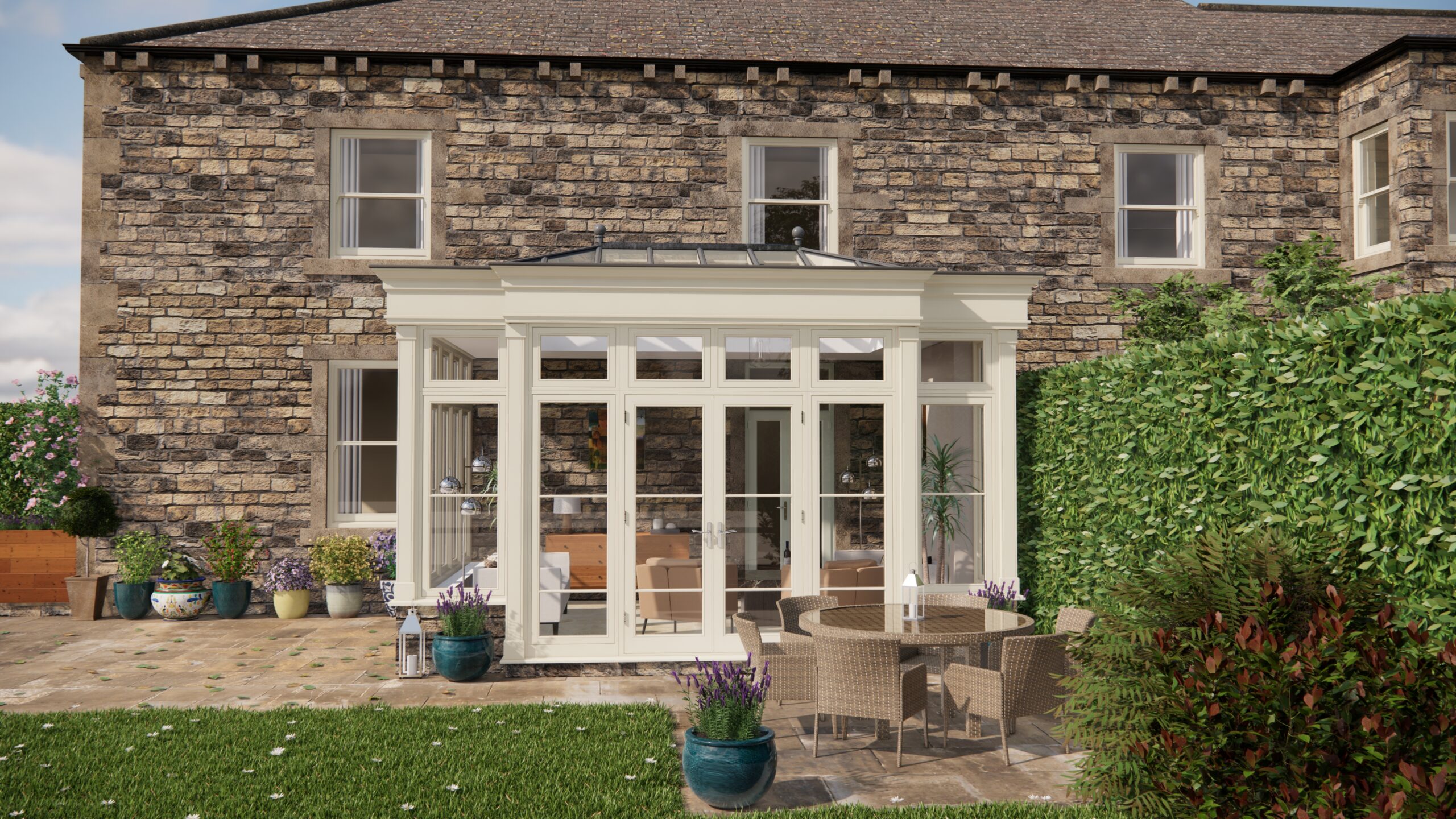
Right, so I’ve been diving deep into the world of orangeries and outbuildings lately, specifically focusing on how to keep them secure. It’s all well and good having this beautiful, light-filled space, but it needs to be protected from unwanted attention. Today, I sat down with Adam, a security expert with years of experience fitting alarm systems in all sorts of properties, to get the lowdown on securing these increasingly popular extensions. Think of me as your friendly guide through the process.
“Alright Adam,” I started, settling into my chair, “Orangeries and outbuildings – they’re not your typical front door situation, are they? What are the main security concerns?”
Adam chuckled. “Not at all! You’re dealing with structures that often have a lot of glass, are sometimes detached from the main house, and can contain valuable items, like garden equipment, furniture, or even artwork. That makes them a prime target. People often focus on the aesthetic and forget security until it’s too late.”
Alarm Systems: Wired vs. Wireless – The Great Debate
I asked him to break down the options. “So, alarms – wired or wireless? What are the pros and cons?”
“It’s the age-old question!” Adam said. “Wired systems are generally seen as more reliable because they don’t rely on batteries or wireless signals, reducing the risk of interference. They’re also harder to tamper with. The downside is installation – it’s more disruptive and can be more expensive, especially if you’re running cables through walls in an existing orangery.”
He continued, “Wireless systems are much easier to install – no drilling, minimal mess. They’re also more flexible; you can easily add or move sensors as needed. However, they rely on batteries, which need replacing regularly, and they can be susceptible to interference or hacking, although modern systems are much more secure than they used to be. The range can also be a factor, especially in larger outbuildings or if the signal needs to travel through thick walls.”
Cost, Installation, and Reliability: Digging into the Details
“So, what about cost? Where do we see the biggest differences?” I probed.
“Initial cost can be lower for wireless systems because of the reduced installation fees,” Adam explained. “But you need to factor in the ongoing cost of batteries. Wired systems have a higher upfront cost, but minimal running costs. Installation costs for wired systems can vary wildly depending on the complexity of the job. If you’re building an orangery from scratch, it’s much easier and cheaper to run the wires during construction. Retrofitting is where the costs can escalate.”
Reliability, he stressed, is key. “A reliable alarm system is one that works when you need it to. Wired systems generally have the edge here. However, a good quality wireless system, properly installed and maintained, can be just as effective. The key is to choose a reputable brand and have it professionally installed.”
Sensor Types, Monitoring, and Smart Home Integration: Customising your Security
Next, we talked about the types of sensors available. “We’re not just talking about door and window sensors, are we?”
“Definitely not!” Adam replied. “You’ve got motion detectors, vibration sensors for glass, flood sensors for detecting leaks (important for dampproofing!), and even temperature sensors. It really depends on your specific needs and concerns.”
He went on to explain the different monitoring options, from basic self-monitoring to 24/7 professional monitoring. “Self-monitoring is the cheapest option, but it relies on you being available to respond to alerts. Professional monitoring offers peace of mind, but it comes with a monthly fee. Many systems can also be integrated with smart home systems, allowing you to control the alarm remotely, view camera footage, and receive notifications on your phone.”
Impact on the Existing Property: Minimising Disruption
I asked about the impact on the property itself. “A lot of people are precious about their homes, especially listed buildings. How do you minimise disruption during installation?”
“That’s a big concern, especially with wired systems,” Adam acknowledged. “We try to be as discreet as possible, using existing cable routes where possible and carefully concealing wires. For listed buildings, we work closely with conservation officers to ensure that any work is done sensitively and in accordance with regulations. Wireless systems are obviously much less disruptive in this regard.”
Reinforced Glass and Secure Locking Mechanisms: Building a Fortress
We moved on from alarm systems to other security measures. “What about reinforced glass and better locks?”
“They’re essential!” Adam exclaimed. “Reinforced glass makes it much harder for burglars to break in. Secure locking mechanisms, such as multi-point locking systems, provide an extra layer of security. Think about it as building a layered defence – the alarm system is the final line of defence, but the glass and locks are the first.”
Security Best Practices
“Adam, any final thoughts on how to ensure the security of your Orangery or Outbuilding?”
“Absolutely. Ultimately, it is about the combination of security technology, physical security enhancements and a healthy dose of common sense. No system is perfect and if a determined person wants to gain entry, they will be able to, but it is about making it as difficult and unattractive as possible. By having a monitored security system and robust physical security measures you can dramatically reduce the risk of becoming a victim of crime.”
So, there you have it! A comprehensive look at securing your orangery or outbuilding. It’s clear that there’s no one-size-fits-all solution. The best approach depends on your individual circumstances, budget, and risk tolerance. But by considering all the factors – wired vs. wireless, sensor types, monitoring options, and physical security measures – you can create a secure and welcoming space that you can enjoy for years to come. Remember to consult with a qualified security professional to get personalised advice and ensure that your system is properly installed and maintained.