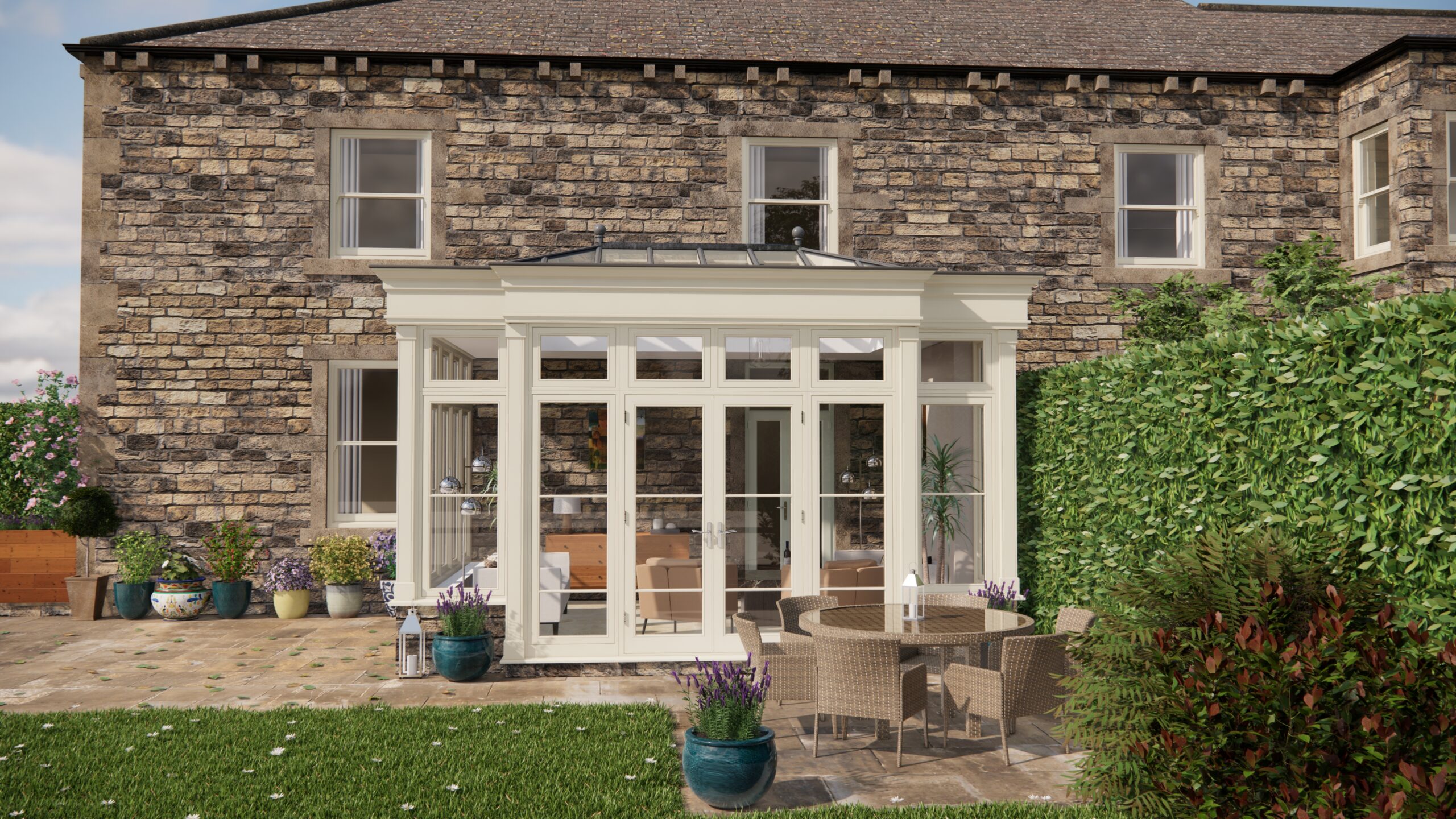
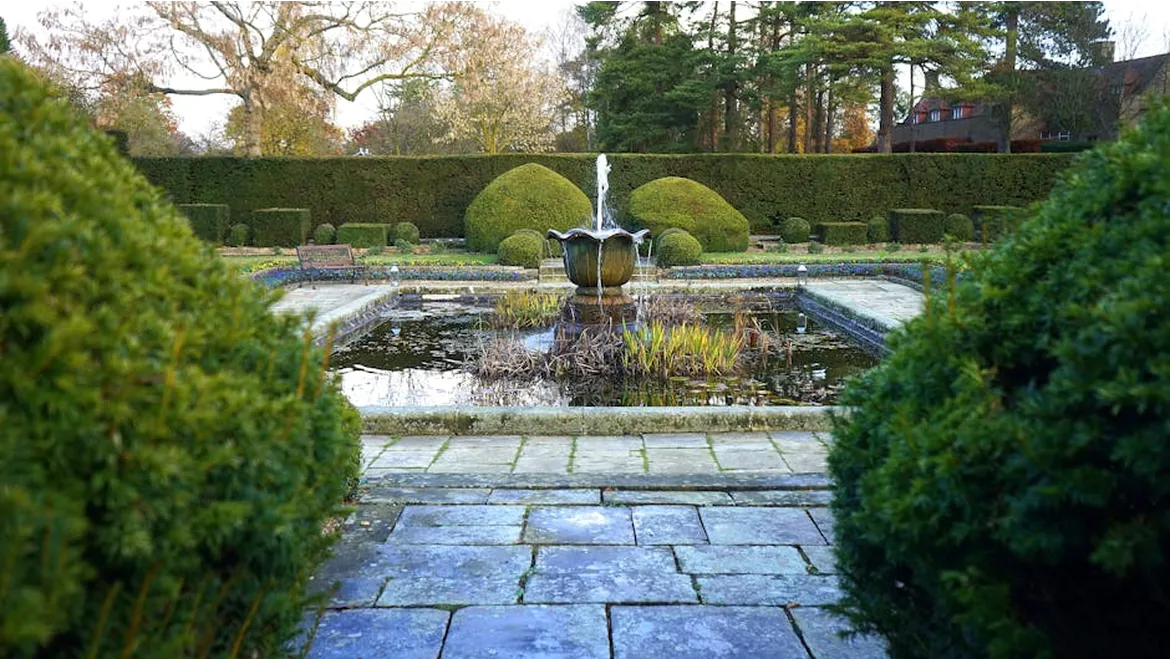
Right, settle in with a cuppa, because I want to tell you about something I’ve become utterly passionate about: sustainable shrubs for the UK garden. We all love a beautiful garden, don’t we? And if, like me, you’re lucky enough to have an orangery, you know how much joy it brings to extend the growing season and enjoy a little slice of the outdoors all year round. But lately, I’ve been thinking more and more about how we garden. Specifically, how we can create stunning outdoor spaces that are actually beneficial, not detrimental, to the environment.
It all started with the birds, actually. I was constantly refilling feeders, watching them flit in and out. But I wondered, could I provide more than just a quick snack? Could I offer real, sustainable habitat? That’s when I started researching native and naturalised shrubs – the kind that thrive here without needing constant coddling and are a buffet for local wildlife.
Choosing the Right Shrubs: This wasn’t just about picking pretty flowers (though pretty flowers are definitely a bonus!). It was about considering flowering times, soil preferences, and maintenance needs. For example, I planted a Hawthorn ( Crataegus monogyna) along the edge of my property. Its white blossoms in spring are lovely, but even better, the haws provide vital food for birds in autumn and winter. It is tolerant of most soil conditions, including clay, and needs minimal pruning, just removing dead or crossing branches to keep it tidy. I also added a Guelder Rose (Viburnum opulus). Again, stunning white flowers, followed by bright red berries that the birds adore. It prefers moist soil, so I made sure it was planted in an area that doesn’t dry out too quickly. Pruning is best done after flowering, just to maintain shape.
The Wildlife Connection: The difference these shrubs have made is incredible. Suddenly, my garden isn’t just a pretty space; it’s a bustling ecosystem. I’ve noticed more insects, providing food for even more birds. Hedgehogs, I think, have taken to the garden as a shelter and a source of insects. Even the orangery benefits – as pollinators now visit, the plants that are housed in here are better able to thrive through increased polination.
Sustainable Practices in Action: Of course, incorporating these shrubs is just one piece of the puzzle. To truly embrace sustainable gardening, I’ve made some other significant changes.
- Water Conservation: We’ve invested in a rainwater harvesting system to water the garden and orangery plants. It’s amazing how much water you can collect! We also mulch around the shrubs to help retain moisture in the soil, reducing the need for watering.
- Composting: All our garden waste and vegetable scraps go into the compost bin. It’s a fantastic way to reduce waste and create nutrient-rich compost for the garden. It improves soil structure and reduces the need for shop-bought fertilisers.
- Peat-Free Compost: This was a big one for me. Peat bogs are vital carbon sinks, and using peat-free compost is a crucial step in protecting them. Thankfully, there are now plenty of excellent peat-free options available.
- Avoiding Harmful Chemicals: I’ve completely ditched pesticides and herbicides. Instead, I rely on natural methods like companion planting and encouraging beneficial insects to control pests. For example, I’ve planted nasturtiums near my roses to attract aphids away from them. I have also put bee hotels on the wall that runs along the edge of the garden to further encourage nature.
Minimal Maintenance, Maximum Impact: What I love most about these sustainable shrubs is that they require so little upkeep. It’s all about choosing the right plant for the right place and then letting nature do its thing. Less time spent on chores, more time enjoying the garden – and knowing you’re making a positive impact.
In essence, cultivating a sustainable garden is a journey, not a destination. It’s about making informed choices about the plants we select, the methods we employ, and the impact we have on the environment. It also about seeing yourself and your land as part of something bigger. By prioritising biodiversity and minimising our environmental footprint, we create outdoor spaces that are not only beautiful but also beneficial for all living things. It is these changes that have really increased my enjoyment of the garden.