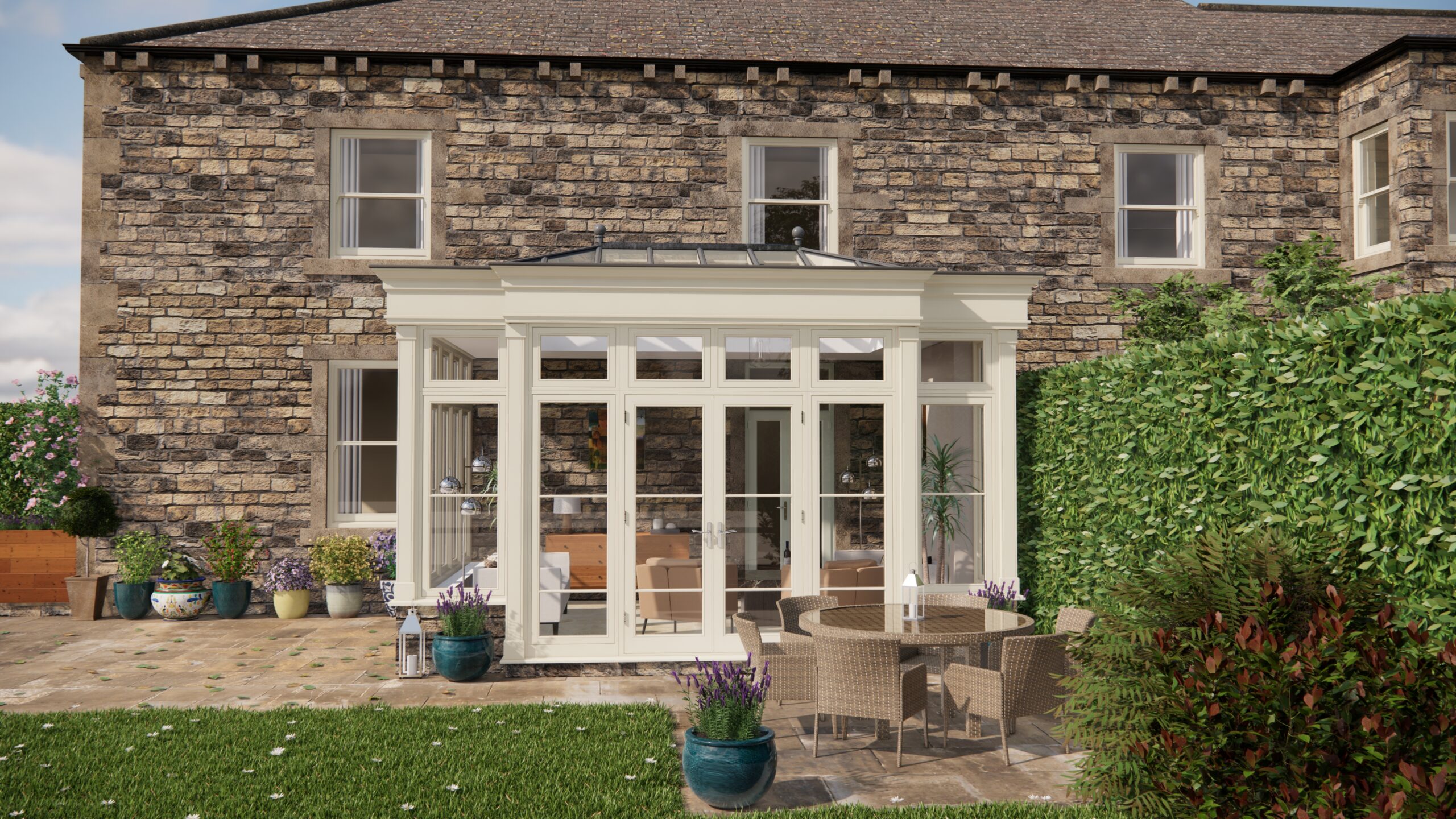
Just the other day, I was chatting with Francesca about her amazing cottage garden. You know, the kind that practically overflows with roses, lavender, and all those classic, charming blooms. But what really struck me wasn’t just the flora – it was how seamlessly the hard landscaping blended in, creating this utterly inviting, almost timeless space. We got to talking about the ‘how’ of it all, and I thought I’d share some of the insights I gleaned.
“It’s all about feeling natural, isn’t it?” Francesca started, sipping her tea. “Like it’s always been there.” That’s the essence of cottage garden hardscaping, really. It’s about creating structure without overpowering the informality.
Reclaimed Rhapsody:
First up, reclaimed materials. Francesca is a huge advocate. “There’s just a character you can’t replicate with new stuff,” she explained. She’s sourced old bricks for edging flowerbeds, giving them a wonderfully weathered look. Think about scouting reclamation yards for paving slabs, railway sleepers (for raised beds or steps), and even old roof tiles that can be repurposed into quirky garden features. The key is to embrace imperfections – chipped edges and faded colours add to the charm. When incorporating reclaimed materials, ensure they’re suitable for outdoor use and haven’t been treated with harmful chemicals. Also, think about how your choice may compliment the building materials of your home to enhance your garden.
Gravel Gateway:
Gravel paths are quintessential cottage garden features. They’re permeable, cost-effective, and have that lovely crunch underfoot. Francesca uses a golden gravel that complements the warm tones of her brickwork. “Proper preparation is key, though,” she warned. Before laying gravel, excavate the path area, install a weed membrane, and then add a layer of compacted hardcore. This provides a stable base and prevents weeds from popping through. Choose a gravel size that’s comfortable to walk on – pea gravel can be a bit awkward. Always edge your path with brick, stone or reclaimed wood, this will both maintain the shape and the levels.
Dry Stone Drama (Low Walls):
Low dry stone walls are another fantastic addition, adding both structure and visual interest. Francesca has one bordering her herb garden. “I followed a course,” she confessed, “it looks simple, but there’s a knack to it!” The principle is simple: carefully stacking stones without mortar, relying on their weight and interlocking shapes for stability. Choose stones that are relatively flat and wide, and ensure they fit together snugly. A slight inward slope adds to the wall’s stability. For those of us less confident, dry stone effect walling bricks or blocks are also available and create the same look but make the job much easier, without the specialist knowledge required.
Natural Stone Nirvana:
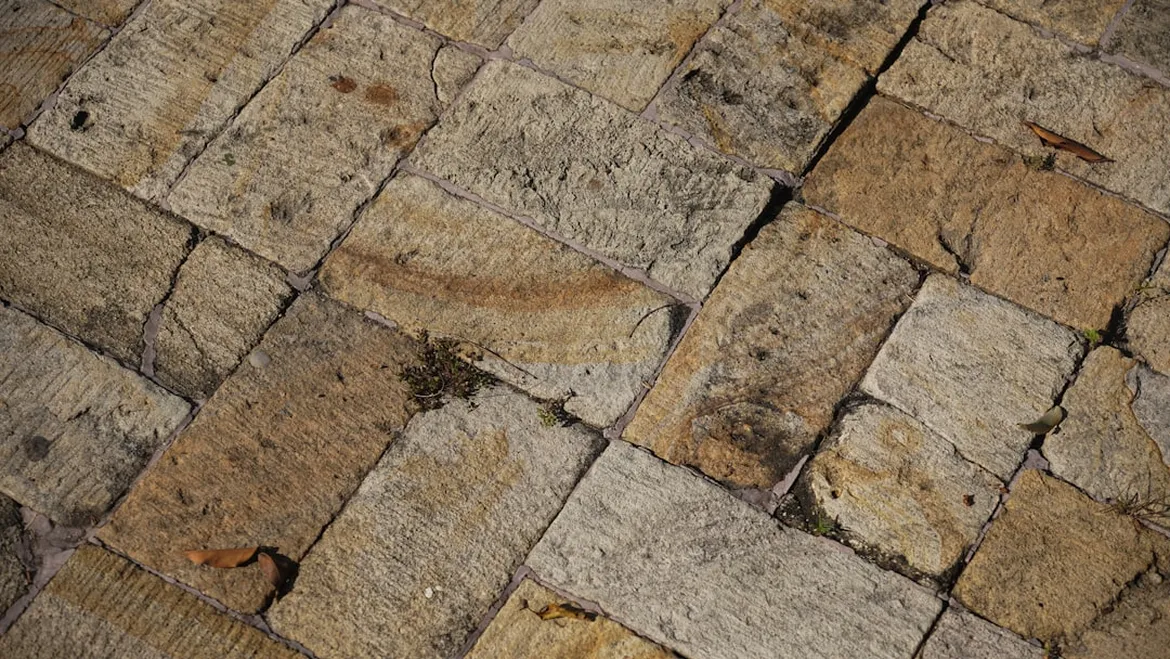
For patios or paved areas, natural stone paving is the perfect choice. Francesca has a small sandstone patio outside her back door, which is constantly bathed in sunlight and brimming with potted plants. “It weathers beautifully,” she said, “and just feels so…right.” Consider the colour and texture of the stone. Sandstone, limestone, and slate are popular choices in the UK. Laying the slabs correctly is crucial, ensuring they’re level and have adequate drainage. A mortar base is recommended for stability and longevity. If using mortar, use a colour that blends well with the stone for a more natural look.
Plant Pairings and Problem Prevention
Francesca also reminded me about plants that really enhance hard landscaping. Think rambling roses climbing over walls, lavender softening the edges of gravel paths, and creeping thyme spilling over paving stones. These soften the hard lines and blur the boundaries between the hard and soft elements. We also chatted about common problems, like weeds popping up between paving stones or gravel paths becoming overgrown. Regular weeding, the use of weed membrane and a spring or summer spray with a weed killer will prevent these.
So, what’s the secret to achieving that perfect hardscaping harmony in a cottage garden? It’s about embracing the natural, choosing materials with character, and ensuring that every element complements the abundant planting. It’s about creating a space that feels relaxed, informal, and utterly inviting. By using reclaimed materials, incorporating gravel paths, considering low dry stone walls, and using natural stone paving, your garden can have the charm of that traditional cottage garden aesthetic.