
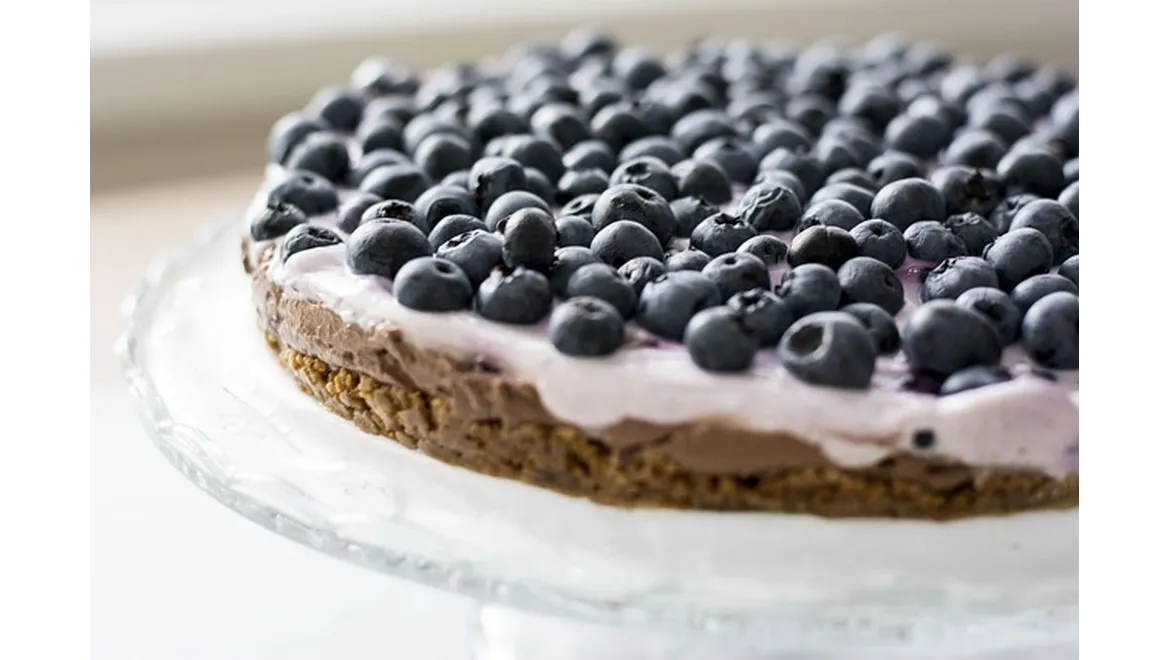
Right, let’s talk dessert! I’ve been delving into the world of effortless, elegant dinner parties lately – the kind where you actually enjoy yourself instead of stressing in the kitchen. And what’s a dinner party without a show-stopping dessert? So, I cornered my friend Andrew, a self-confessed dessert enthusiast, to get his take on creating memorable sweet endings. He’s hosted some legendary dinner parties, so I knew he’d have some wisdom to share.
“Alright Andrew,” I began, “let’s say I want to ‘wow’ my guests with dessert. Where do I even start?”
Andrew chuckled. “The secret is to not overthink it! Think about your overall menu. What flavours have you already showcased? You want something that complements, not clashes. And consider the season!”
He’s right. A rich chocolate torte might be perfect in winter, but a light, fruity pavlova screams summer. Andrew suggested having a ‘go-to’ recipe up your sleeve. His is a simple but elegant lemon posset. “It takes minutes to prepare, can be made ahead, and always impresses,” he explained. He shared his recipe with me:
Andrew’s Lemon Posset (Serves 4):
- Ingredients: 600ml double cream, 150g caster sugar, zest and juice of 2 unwaxed lemons.
- Method: Gently heat the cream and sugar in a saucepan until the sugar dissolves. Bring to a simmer for 3 minutes. Remove from the heat and stir in the lemon zest and juice. Strain the mixture through a fine sieve into ramekins. Chill for at least 4 hours, or preferably overnight.
See? Simple, yet sophisticated. But presentation is key, Andrew stressed. “Even the simplest dessert can look incredible with a little effort. Dust with icing sugar, add a few fresh berries, or a sprig of mint. It elevates the whole experience.”
We then moved onto the trickier stuff: dessert pairings. “Don’t be afraid to experiment!” Andrew urged. “A good rule of thumb is to match the sweetness of the dessert with the sweetness of the drink.” He suggested a Sauternes with a crème brûlée, a tawny port with a chocolate dessert, or a dessert wine like Muscat with fruit-based puddings. Of course, coffee and liqueurs are always a classic choice.
I asked him about DIY dessert stations – something I’ve always been a bit intimidated by. “They’re actually easier than you think!” Andrew said. “The trick is preparation. Choose elements that can be prepped in advance – brownie bites, fruit skewers, bowls of whipped cream, sauces, sprinkles. Let your guests create their own masterpieces. It’s fun and interactive.”
He suggested themes too. A chocolate fondue station with various dippers, a build-your-own sundae bar, or a mini-dessert tapas selection. The possibilities are endless!
We even touched on how to seamlessly integrate dessert into an orangery setting. Andrew suggested using the natural light to showcase the desserts. “Imagine a table laden with delicate pastries, bathed in sunlight. It’s pure magic!” He also recommended using fragrant herbs from the orangery – like mint or lavender – to infuse desserts with subtle flavours. He pointed out that the temperature is also important, it’s often hotter in an orangery so you have to choose the correct desserts or make sure you have plenty of ice available.
Finally, I asked Andrew for his top tip for ensuring a smooth dessert course. “Plan ahead!” he exclaimed. “Choose recipes that can be made in advance, prepare as much as possible beforehand, and don’t be afraid to ask for help. Most importantly, relax and enjoy the process! Your guests will appreciate the effort, no matter what.”
So there you have it – Andrew’s secrets to creating memorable dessert endings. Plan ahead, choose simple but elegant recipes, focus on presentation, and don’t be afraid to experiment with pairings. And remember, it’s all about creating a relaxed and enjoyable experience for your guests (and yourself!). Now, I’m off to try that lemon posset recipe. Wish me luck!