
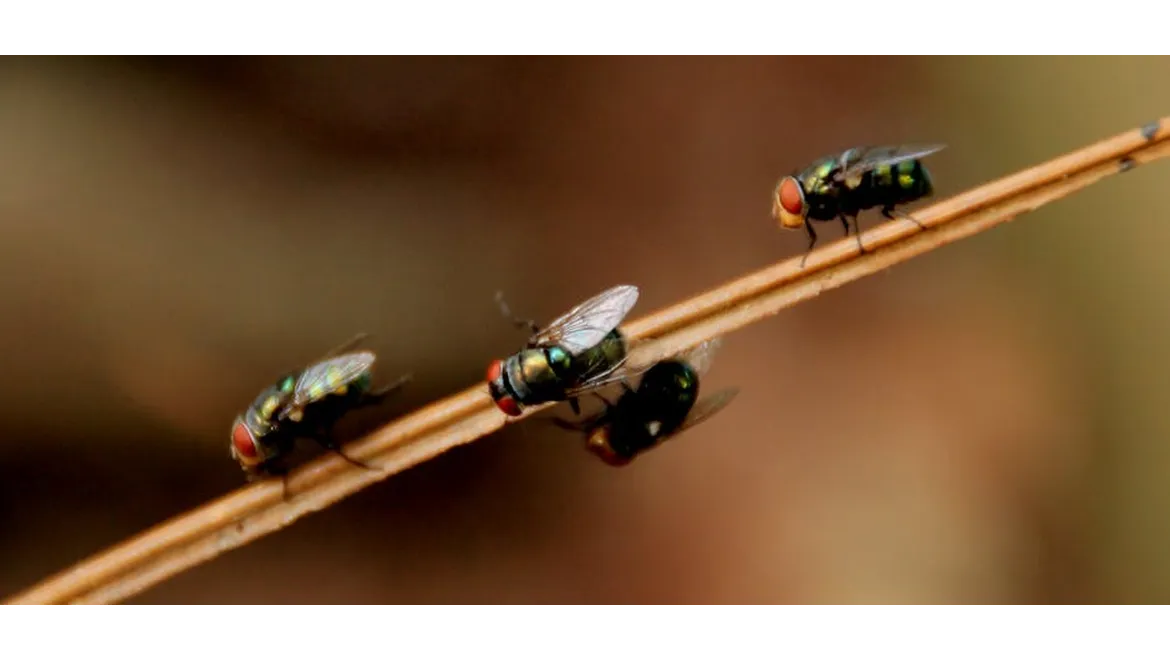
Right then, grab a cuppa and settle in. Let’s talk gardening – the joyful escape we all crave, but one that sometimes throws us curveballs in the shape of nibbled leaves, wilting stems, and general horticultural havoc. We’ve all been there, haven’t we? Staring at our precious roses, decimated by aphids, feeling the stress levels rise faster than bindweed in July. But fear not, fellow garden enthusiasts! I’m here to share my experiences, both the triumphs and the tribulations, and offer some gentle guidance on tackling garden pests and stresses, all while keeping our sanity intact.
My journey with gardening started, like many, with romantic notions of bountiful harvests and perfectly manicured flowerbeds. What I quickly discovered was a battlefield – albeit a beautiful one – against slugs, snails, black spot, and a never-ending parade of weeds. The initial frustration was immense. I’d pour hours into nurturing my plants, only to find them ravaged overnight. It felt deeply personal, like a rejection of my efforts. But that’s when I realised something had to change, not just in my garden, but also in my approach.
Embracing Organic Solutions: A Gentle Approach
Firstly, ditch the harsh chemicals! We’re aiming for therapeutic benefits, not a toxic wasteland. My go-to strategy is a multi-pronged, organic approach.
- Prevention is Key: Healthy plants are more resilient. Ensure good soil drainage (add grit if needed!), proper spacing for air circulation, and regular feeding with organic compost. I swear by homemade compost tea – a simple soak of well-rotted compost in water, strained, and then diluted – it’s plant food and a fungal disease preventative all in one! Remember, a well-fed plant is a happy plant!
- Identifying the Enemy: Know your pests! A magnifying glass can be a gardener’s best friend. Is it aphids, slugs, vine weevils, or something else entirely? Correct identification allows for targeted treatment.
- Natural Predators: Encourage beneficial insects like ladybirds and lacewings. Plant flowers that attract them, such as marigolds and dill. I have a small patch dedicated solely to attracting pollinators and pest-eating insects – it’s a win-win!
- Physical Barriers: Copper tape around pots deters snails and slugs. Horticultural fleece protects vulnerable plants from pests and harsh weather. These simple barriers can save a lot of heartache.
- Homemade Remedies: A mild solution of washing-up liquid and water, sprayed onto affected plants, can control aphids. Nematodes are fantastic for vine weevils – they’re microscopic worms that attack the larvae in the soil. And for slugs and snails, a beer trap (a saucer filled with beer) can be surprisingly effective (though maybe not the most dignified solution!).
Stress-Busting Gardening Techniques
Beyond pest control, the sheer act of gardening can be incredibly therapeutic. But when things go wrong, the stress can negate those benefits. Here are some tips for maintaining a Zen-like gardening experience:
- Accept Imperfection: This is a big one! Your garden doesn’t have to be perfect. Embrace the imperfections, the slightly wonky vegetables, the rogue weeds. It’s a garden, not a showroom.
- Mindful Gardening: Focus on the present moment. Feel the soil in your hands, smell the flowers, listen to the birds. Gardening can be a form of meditation, if you allow it to be.
- Break Down Tasks: Don’t try to do everything at once. Tackle small sections of the garden each day or week. This prevents overwhelm and allows you to appreciate your progress.
- Take Breaks: Step away from the garden when you feel stressed. Go for a walk, have a cup of tea, or simply sit and enjoy the view. Remember, gardening should be a pleasure, not a chore.
- Celebrate Small Wins: Did a seedling sprout? Did you finally eradicate those pesky aphids from your roses? Acknowledge and celebrate these small victories. They contribute to a sense of accomplishment and boost your mood.
Enhancing the Experience: The Orangery Advantage
I’ve found that having an orangery has significantly enhanced my enjoyment of the garden, particularly during the colder months. It provides a bright, warm space to nurture seedlings, overwinter tender plants, and simply relax and enjoy the garden view, even when the weather outside is less than inviting. It’s a bridge between the indoors and outdoors, allowing me to extend the gardening season and reap the therapeutic benefits year-round.
In essence, gardening is a journey, not a destination. There will be challenges, setbacks, and moments of frustration. But by embracing organic solutions, adopting stress-busting techniques, and appreciating the beauty of imperfection, we can create a garden that not only nourishes our bodies but also soothes our souls. So, go forth, dear gardener, and cultivate not just a beautiful garden, but also a peaceful mind. Let’s remember it’s about enjoying every step of the journey, and the mindful moments that come with a life spent outdoors.