
Right, let’s dive in. I’ve always been fascinated by how our surroundings affect us. Articles about wellness and home space for exercise and relaxation always grab my attention. Today, I’m chatting with Lucas, a real enthusiast in all things home and well-being, about how decluttering and thoughtful design can seriously boost your mental health. Think of it as psychology meeting interior design! Let’s see what he has to say.
Me: Lucas, thanks for joining me. So, the idea of ‘declutter your mind, declutter your home’ – does it really hold water?
Lucas: Absolutely! It’s not just some catchy phrase. I’ve experienced it firsthand. A cluttered space equals a cluttered mind, it’s as simple as that. When your environment is chaotic, your thoughts tend to be as well. You feel overwhelmed, stressed, and it’s harder to focus. A clear, organized space allows your mind to breathe.
Me: Makes sense. So, what are the actual psychological benefits we’re talking about?
Lucas: Well, think about it. When you clear out clutter, you instantly feel a sense of accomplishment. That’s a dopamine hit right there! Then, you’re creating a space that’s calming and visually appealing. That reduces stress and anxiety. An organized home also means less time searching for things, which cuts down on frustration and improves efficiency. It’s a snowball effect – a tidy home leads to a tidier mind, which leads to increased motivation and energy.
Me: Okay, I’m sold! But where do we even begin? Decluttering feels… daunting.
Lucas: I get it. The key is to break it down. Don’t try to tackle the whole house at once. Start with one area, maybe a drawer, a shelf, or a corner of a room. Set a timer for 20 minutes and just focus on that small space. The ‘KonMari Method’ – asking yourself if an item sparks joy – is a good starting point. If it doesn’t, thank it for its service and let it go. Remember: less things equal more freedom.
Me: Practical tips are always welcome. What about specific areas of the home? Any advice for, say, the bedroom?
Lucas: The bedroom should be your sanctuary. Keep it simple and calming. Clear surfaces, use soft lighting, and invest in good quality bedding. Remove anything that doesn’t promote relaxation – no work clutter, no piles of laundry. Aim for a minimalist aesthetic, even if you naturally lean towards maximalism. The key is to create a space that invites rest and rejuvenation.
Me: And what about turning the home into a space for exercise and relaxation, perhaps a yoga area?
Lucas: This is where mindful design comes in. Designate a specific area, even a small one, for movement. Make sure it has good lighting and ventilation. Consider the floor – a soft rug or yoga mat can make a huge difference. Decorate with plants or artwork that inspires you. The key is to create a space that feels inviting and conducive to exercise and relaxation. The more natural light the better, and keep the noise levels low
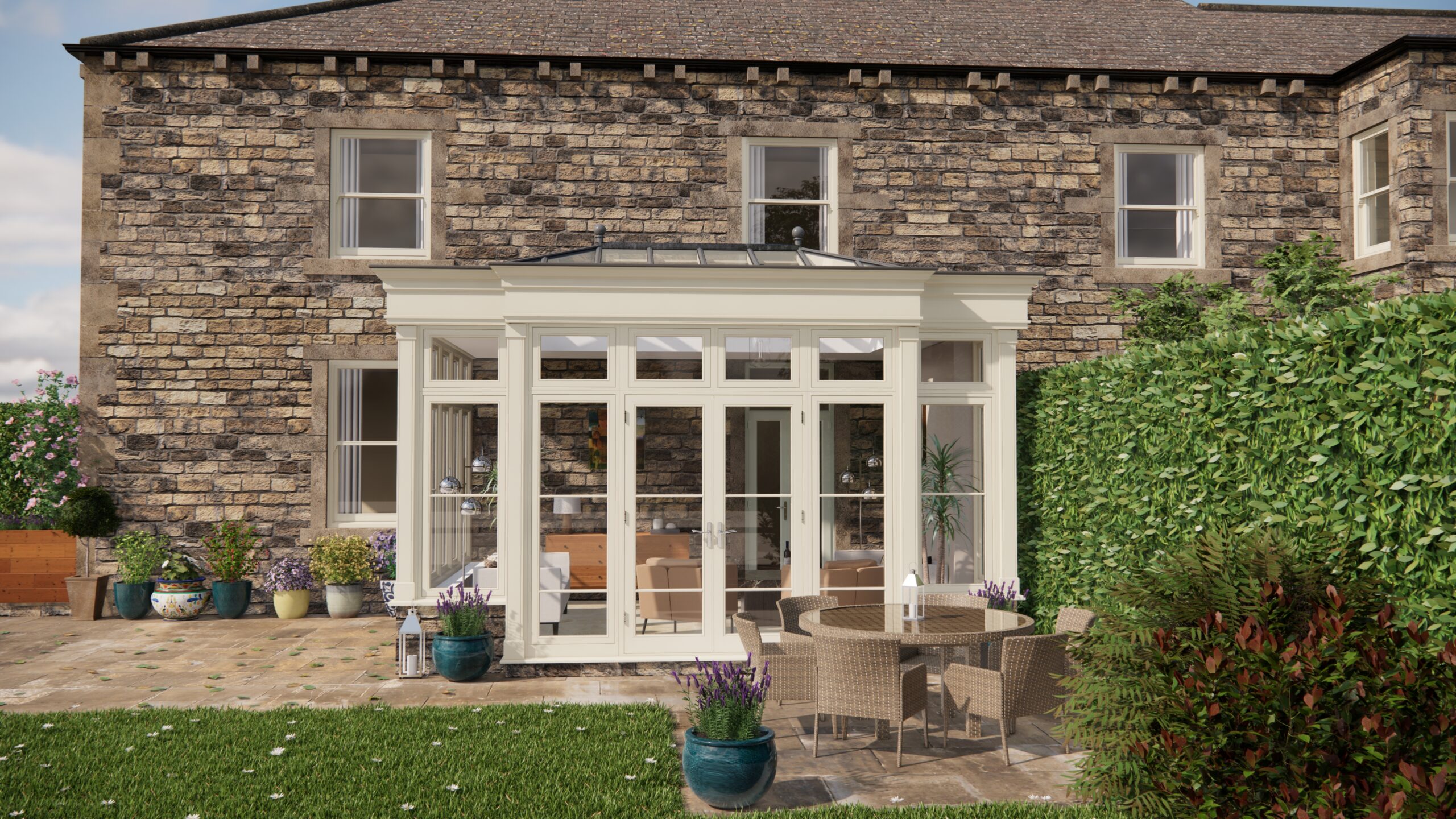
Me: Talking of light, what about orangeries? I’ve read that they can really enhance the sense of well-being.
Lucas: Absolutely! Orangeries are fantastic. All that natural light pouring in has a huge impact on mood. It boosts vitamin D production, which is crucial for mental and physical health. The connection to the outdoors – even if it’s just through large windows – is also incredibly beneficial. It reduces stress and promotes a sense of calm. Imagine doing yoga in an orangery, surrounded by plants and bathed in natural light – pure bliss!
Me: That sounds amazing. Finally, how do we maintain this organized living space once we’ve achieved it?
Lucas: Consistency is key. Implement a ‘one in, one out’ rule – for every new item you bring into your home, get rid of something similar. Dedicate a few minutes each day to tidying up. Make it a habit. And don’t be afraid to ask for help. Sometimes, an outside perspective can make a huge difference.
So, there you have it. From small changes to a completely renovated relaxation space, it’s clear that how we use and decorate our home space is directly linked to our own well being. A decluttered home does more than just look nice – it promotes mental clarity, reduces stress, and boosts overall well-being. By implementing practical strategies like the ‘one in, one out’ rule and creating designated spaces for relaxation and exercise, and taking advantage of spaces like orangeries we can create a haven that nourishes both body and mind. Start small, be consistent, and enjoy the transformative power of a well-designed home.