
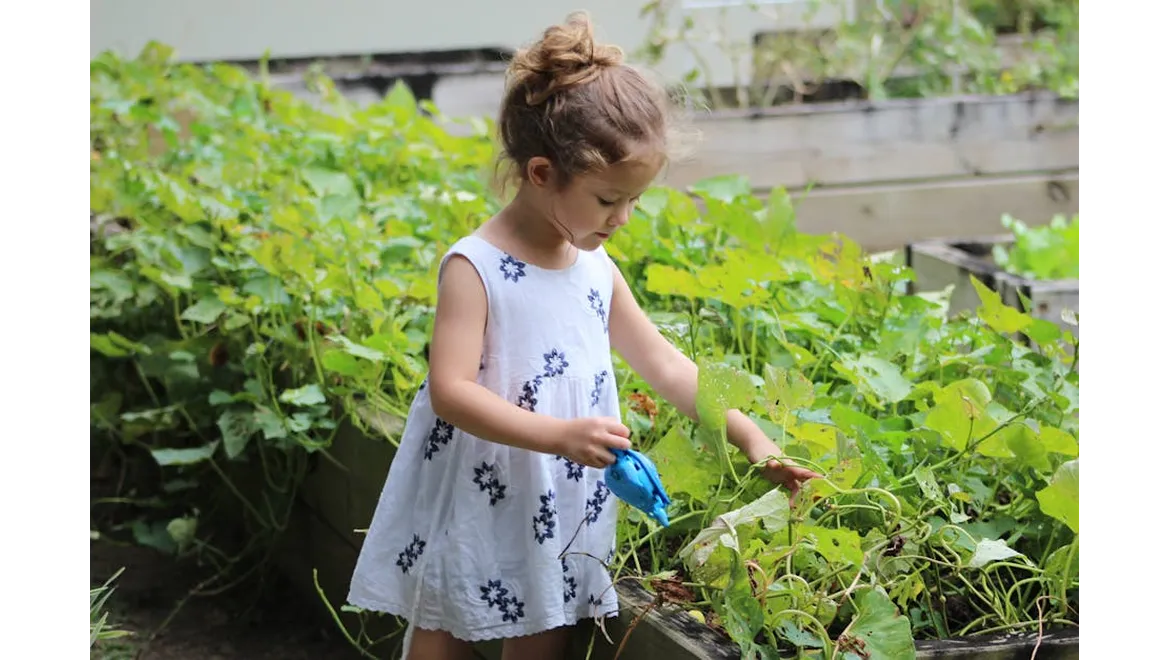
Right then, put the kettle on! I’ve just had the most delightful chat with my friend Harriet about getting the kids involved in gardening, and I’m bursting to share it all with you. We were specifically talking about articles on gardens in the UK, focusing on ‘Gardening with Children: Activities and Projects to Encourage a Love of Nature’, as that’s something Harriet’s really passionate about. She’s been having a go at plant propagation with her two, and I was keen to hear her experiences.
“Honestly,” she started, “it’s been such a rewarding experience. The kids absolutely love it, and it’s a brilliant way to teach them about nature’s magic.” She was saying there are loads of articles about the enjoyment of a garden in the UK, landscaping ideas, and different plant and shrub types, but the ones focused on actually doing something with children were the real gold. We started by looking at a few articles together on the Art of Propagation, as it’s called. Harriet says that her kids really love taking cuttings and dividing plants and it teaches them so much about nature.
First up, cuttings. Apparently, rosemary and lavender are brilliant starters. Harriet followed some step-by-step instructions from an article she found:
- Snip: Take a cutting about 10cm long from a healthy rosemary or lavender plant. Make sure it’s a new shoot – the green, flexible growth. Use clean, sharp secateurs or scissors to avoid damaging the parent plant.
- Strip: Remove the leaves from the bottom half of the cutting, leaving the top half bare. This is where the roots will grow.
- Dip: Dip the cut end into rooting hormone powder. This isn’t essential, but it really boosts your chances of success. You can find it at most garden centres.
- Plant: Pop the cutting into a small pot filled with well-draining compost – a mix of peat-free compost and perlite or horticultural grit is ideal.
- Water: Water gently but thoroughly.
- Bag it: Cover the pot with a clear plastic bag or a propagator lid to create a humid environment. This helps prevent the cutting from drying out.
- Wait: Place the pot in a warm, bright spot, but out of direct sunlight. Check the compost regularly and water if it feels dry. In a few weeks, you should start to see new growth, which means your cutting has rooted.
Harriet said the kids loved the ‘snipping’ part, naturally, and they were fascinated by the rooting hormone. She made it a point to explain why they were doing each step – about the leaves causing rot, the hormone encouraging root growth, and the bag keeping the moisture in. “It’s not just about following instructions,” she explained, “it’s about understanding the science behind it.”
Next, they tried dividing plants. Apparently hostas and daylilies are perfect for this. Harriet again found a helpful article outlining the process:
- Dig: Carefully dig up the entire plant, being careful not to damage the roots.
- Divide: Gently tease apart the root ball into smaller sections, each with its own healthy shoots and roots. You might need to use a sharp knife or spade to separate really tough clumps.
- Plant: Replant each section into its own pot or a new spot in the garden. Make sure the roots are well covered with soil.
- Water: Water thoroughly and keep the soil moist until the plants are established.
She told me that the kids thought it was like performing surgery on plants! Again, she used it as an opportunity to explain how plants reproduce and why dividing them helps them thrive. She said they particularly enjoyed seeing how the one plant could become many and the whole process really helped to nurture their awareness of their surroundings. Another thing she said was important was the range of articles available on the enjoyment of a garden in the UK. She said she found it useful to have articles and ideas on landscaping and different plant and shrub types to look at. Articles about solving different problems that gardeners face were also really useful as well as articles on how an orangery enhances the enjoyment of ones garden.
Harriet stressed that the key is to make it fun and not to worry too much about perfection. “It’s all about the experience,” she said. “If some cuttings don’t take or a divided plant doesn’t thrive, that’s okay! It’s a learning opportunity.” They even kept a gardening journal to track their progress, drawing pictures of their plants and noting down what they’d done each week.
So, there you have it! From snippets of lavender to splitting hostas, getting the kids involved in plant propagation is a fantastic way to encourage a love of nature. Just remember to choose easy-to-grow plants, follow simple instructions, and, most importantly, have fun! You don’t need any fancy equipment, just a few pots, some compost, and a healthy dose of enthusiasm. You’ll not only be teaching them about the wonders of the plant world but creating lasting memories in the garden. Now, where did I put my secateurs…?