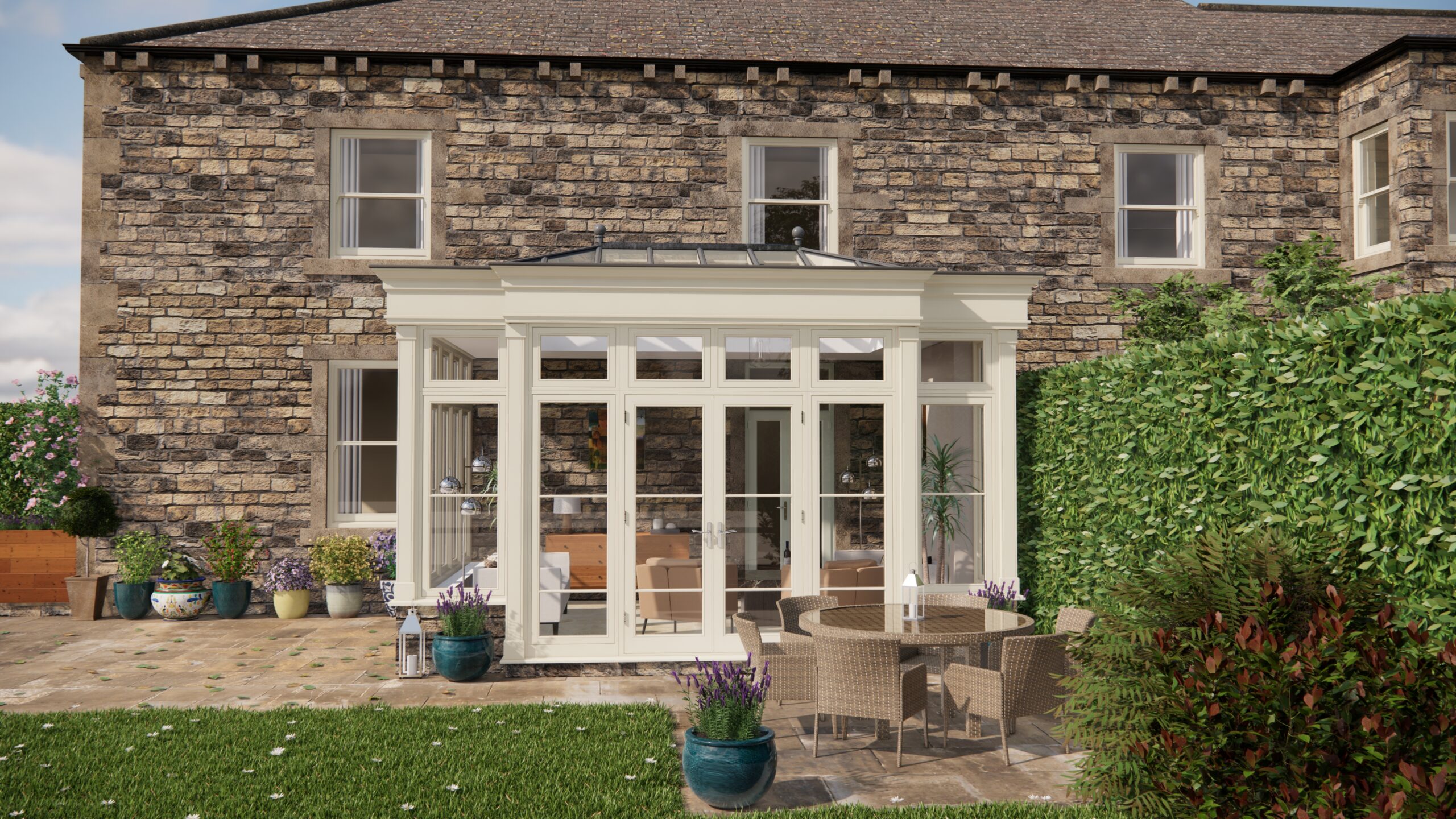
Right then, where do I even begin? Writing about orangeries and outbuildings is a real passion of mine, especially the tricky but rewarding process of blending them seamlessly with older properties. It’s not just about bolting on a glass box; it’s about respecting the past while embracing the future. I’ve tackled everything from sourcing reclaimed materials to navigating the maze of planning regulations, and I want to share some of that experience with you.
The Initial Vision: Matching Style and Materials
First things first, forget the generic catalogues! When dealing with a period property, the key is harmony. Think about the existing architecture. What’s the dominant style? What materials are used? For me, it was a Georgian farmhouse with mellow brick and sash windows. So, an orangery clad in harsh modern materials would have been a disaster.
I spent weeks, honestly, tracking down reclaimed bricks that matched the original facade. It meant scouring architectural salvage yards and even contacting local demolition companies. It was time consuming, yes, but completely worth it. The subtle variations in colour and texture of the reclaimed bricks just scream authenticity in a way that new bricks never could. Think about your window frames too. If your existing property has timber sash windows, continuing that style in the orangery is crucial. Consider the colour too, matching to the exact shade of your existing woodwork will create the visual consistency that you need.
Beyond Aesthetics: Structure, Security, and Damp Proofing
Beyond the visual aspect, there’s the practical side. Building a structure that’s secure and dampproof is paramount, especially in the UK climate. My advice? Invest in a good structural engineer and a reputable builder from the outset. They can advise on the best foundations, insulation, and damp-proofing techniques for your specific property and location.
I opted for a concrete base with a damp-proof membrane, followed by a traditional brick plinth. For the roof, I chose a combination of timber and glass, ensuring excellent insulation to prevent heat loss. Remember good quality double glazing, or even triple, is essential for an orangery to be comfortable and energy efficient all year round. A final thought, it is essential to consider water runoff. Make sure your orangery has proper guttering and drainage system in place to avoid water damage to your home.
Planning Permission and Building Regulations: The UK Maze
Ah, the dreaded paperwork. Planning permission and building regulations are essential considerations. For listed buildings, the process is even more complex. Don’t even think about starting work without getting all your ducks in a row, or the local council can come down on you like a ton of bricks!
My approach was to engage a planning consultant experienced in listed building applications. They helped me navigate the complexities and ensured my design was sensitive to the character of the property. Expect to provide detailed drawings, material specifications, and even historical research to support your application. Regarding building regulations, your builder will be able to handle the necessary inspections and certifications, covering everything from structural integrity to fire safety.
Heating and Ventilation: Maintaining a Comfortable Space
An orangery should be a comfortable space year-round, which means careful consideration of heating and ventilation. Underfloor heating is a popular choice, providing even heat distribution without taking up wall space. Alternatively, you could extend your existing central heating system.
Ventilation is equally important to prevent condensation and overheating. Roof vents and opening windows are essential, especially during the summer months. I also considered installing an automatic ventilation system that adjusts based on temperature and humidity. Also remember to ensure that all wiring is safe and certified.
The Cost Considerations: Realistic Budgeting
Building an orangery is a significant investment, so understanding the costs involved is crucial. The price varies considerably depending on size, materials, and the complexity of the design. Factor in costs for materials, labour, design fees, planning permission, and any necessary structural work to the existing property. Getting several quotes from different builders is a must.
Financing your orangery
If you are looking to finance your orangery, you could consider a personal loan, a secured loan or even remortgage the property. Make sure you are comparing all the rates across all of the different options available to you.
Looking back, the journey of integrating my orangery with our period farmhouse was challenging but incredibly rewarding. Meticulous planning, sympathetic design, and a commitment to quality materials were key to success. By respecting the past and embracing the future, I created a space that enhances both the beauty and the functionality of our home. It’s more than just an extension; it’s a seamless continuation of the property’s history.