
Right, let’s talk tiny gardens! I was just chewing the fat with my mate Jake the other day, and he was moaning about his patio. You know the type: slabs that have seen better days, a slightly sad-looking barbecue, and a general feeling of ‘meh’. He wanted a garden he actually wanted to spend time in, but felt overwhelmed. So, armed with my (admittedly slightly dusty) knowledge of ‘Articles about enjoyment of a garden in the UK’, specifically the ‘Small Space Gardening Solutions’ section, I jumped in to help him out.
“Okay, Jake,” I said, “First things first: Zones! Think of your patio like a miniature house. You wouldn’t eat, sleep, and work in the same spot, would you? Same principle here.” We sketched out his patio (about 3m x 4m, standard size) and decided on three zones: dining, relaxing, and a tiny bit of ‘grow your own’.
Zone One: Al Fresco Feasts: For the dining area, we talked about swapping his cracked slabs. I suggested porcelain paving. Yes, it’s a bit pricier upfront, but it’s incredibly durable, frost-resistant (vital for our delightful UK weather!), and easy to clean. Plus, you get some gorgeous designs. We looked at a few websites offering sample packs, so he could see what he liked in person.
I also advised him to consider the colour carefully. Lighter colours will reflect more light, making the space feel bigger. He eventually opted for a light grey, almost stone-like, texture. We also agreed on the dining set; something compact but comfortable. A bistro set would fit nicely without taking up too much space.
Zone Two: Chill Out Central: Next, the relaxation zone. Jake was keen on low-maintenance. So, we ditched the idea of a lawn (too much fuss in a small space). Instead, we went for a combination of gravel and bark chippings. They’re both fantastic for suppressing weeds, retaining moisture in the soil (which is great for any plants you do have), and they add a lovely texture to the space. Plus, they’re relatively cheap!
We talked about creating a pathway through the gravel with stepping stones, leading to a comfortable garden chair or a small bench. The gravel area could also feature larger pots with some statement plants, adding height and visual interest. I pointed him towards some articles focusing on drought-tolerant plants – think lavender, rosemary, and sedum – perfect for low-maintenance chic.
Zone Three: Green Fingers (On a Small Scale): Finally, Jake wanted to grow something. Container gardening is the obvious solution for tiny spaces. I suggested a vertical garden using a pallet or a tiered planter. He could grow herbs, strawberries, or even some salad leaves. We looked at wall planters too, to make the most of vertical space. He also liked the idea of growing tomatoes in hanging baskets.
For plants, I recommended layering heights and textures for visual appeal. Things like lavender with its spiky leaves, interspersed with rounder plants like boxwood, would add interest, and the smells are lovely. He needed to consider the aspect of his garden and choose plants suited for shady or sunny areas.
Water Wonderful: We also discussed adding a small water feature. Even a small container pond can attract wildlife and create a soothing atmosphere. He could buy a pre-formed pond liner or even repurpose an old washing-up bowl. Adding some aquatic plants, like water lilies or oxygenating weed, will keep the water clean and healthy. And a solar-powered fountain would add a touch of magic without needing any complicated wiring.
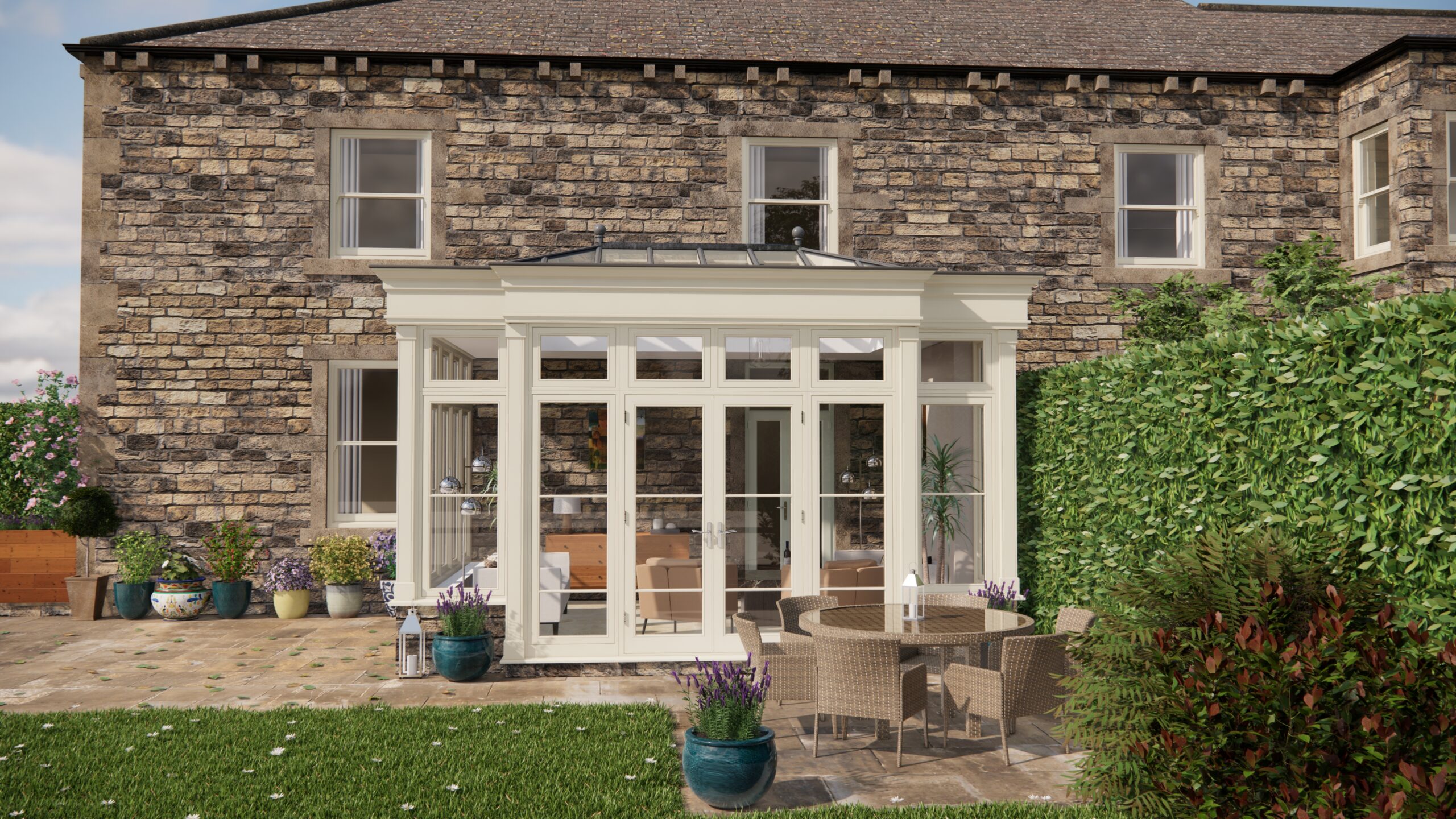
Orangery Enhancement: And, of course, a little dreaming aloud about how a future Orangery could bring all of this ‘small space gardening’ into even sharper focus! Imagine stepping from a sun-drenched orangery, filled with tropical plants, directly onto your perfectly zoned patio. The seamless transition between indoor and outdoor spaces would create a real oasis. One day maybe Jake.
By thinking about distinct zones, using low-maintenance materials like gravel and bark, embracing container gardening and vertical structures, and creating space for even the smallest water feature, even the smallest spaces can have a huge impact. We ended up with a solid plan for Jake, hopefully these steps can help you design your small space too.