Right, so I’ve just finished wrestling with the beast that is ‘The Ultimate Guide to Orangeries and Outbuildings Material Selection: A Balancing Act’. It’s a mouthful, I know, but what it boils down to is navigating the complex world of choosing the right materials for these beautiful structures – and trust me, there’s a lot more to it than just picking what looks pretty.
My task was to lay the groundwork – a comprehensive overview covering aesthetics, durability, cost, environmental impact, and, of course, those pesky planning regulations. Think of it as setting the stage for a series of articles that will delve deeper into the nitty-gritty of orangery and outbuilding construction. From matching the existing property’s style to ensuring the darn thing doesn’t leak, it’s a proper journey.
Aesthetics: More Than Just a Pretty Face
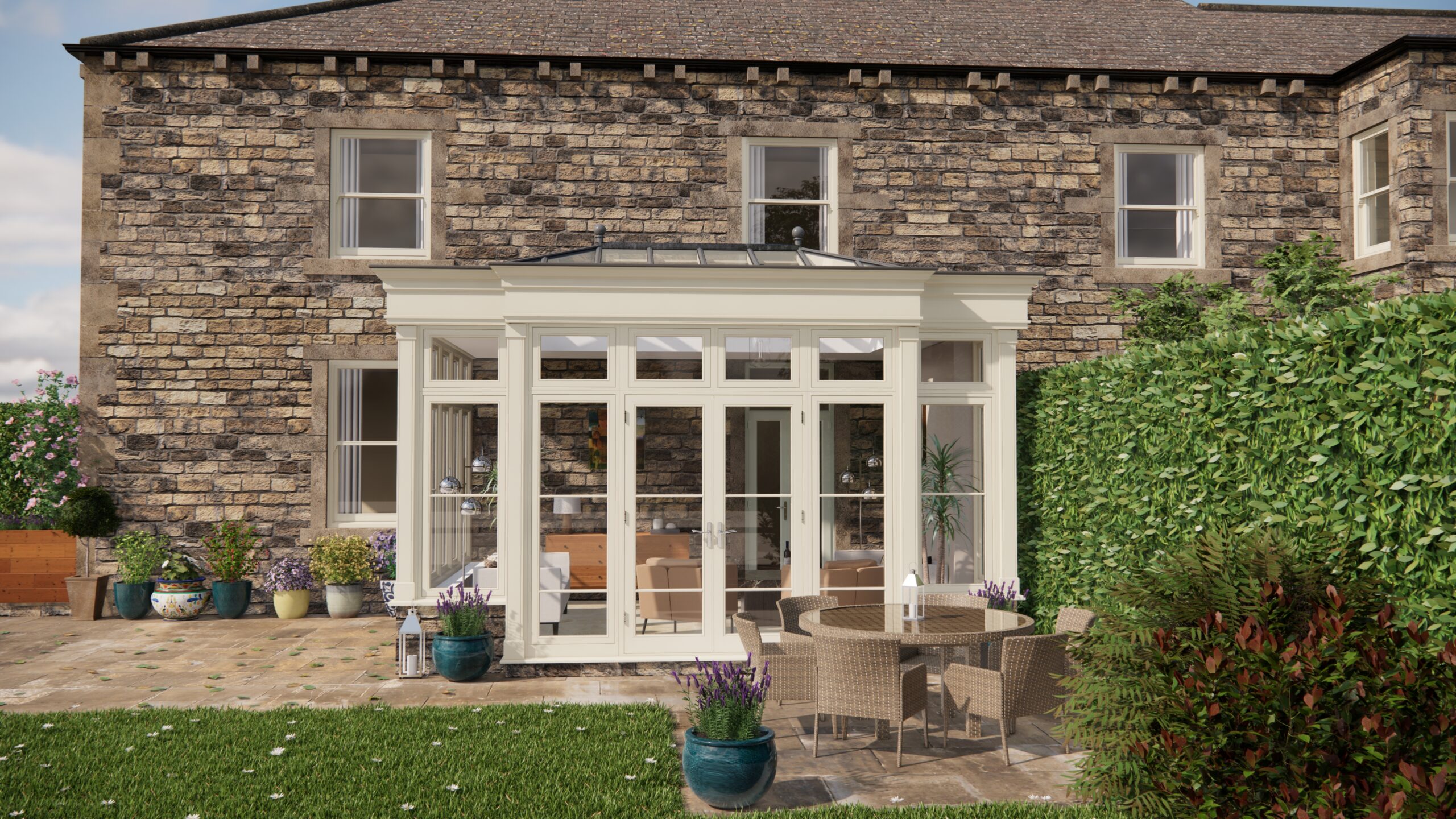
Let’s start with aesthetics. It’s tempting to just go for what catches the eye, but the real challenge lies in harmonising the new structure with the existing house. Consider the architectural style. Is it Victorian, Georgian, or something more contemporary? The materials you choose need to complement, not clash. This means paying attention to details like brick colour, window styles, and roofing materials. I spent hours looking at different brick matching services, analysing mortar colours, and sketching potential designs. It’s surprising how much the wrong brick can ruin the entire effect.
Durability: Built to Last (and Withstand the British Weather)
Durability is non-negotiable. We’re talking about structures that need to withstand the unpredictable British weather for decades. This means selecting materials that are resistant to rot, pests, and the general wear and tear of life. Timber, for example, is a classic choice for orangeries, but it needs to be properly treated and maintained to avoid problems. Similarly, stone requires specific pointing and sealing to prevent water ingress. Steel and aluminium, increasingly popular, offer robustness but demand careful consideration regarding thermal performance and condensation risk.
Cost: Striking the Right Balance
Ah, cost. The ever-present constraint. I had to be realistic about the budget implications of different material choices. Premium materials like natural stone or high-grade timber will undoubtedly add to the overall cost, but they might also offer superior longevity and aesthetic appeal. It’s about finding the sweet spot where you’re not compromising on quality, but also not breaking the bank. I made sure to research different suppliers, compare prices, and factor in the long-term maintenance costs of each material.
Environmental Impact: Building Responsibly
Environmental impact is becoming increasingly important, and rightly so. I explored the embodied energy of different materials (the energy required to extract, manufacture, and transport them). Timber from sustainable sources, reclaimed materials, and locally sourced stone are all good options for reducing the carbon footprint of your build. Equally important is the energy efficiency of the structure itself – using high-performance glazing, insulation, and airtight construction techniques to minimise energy consumption.
Planning Regulations: Navigating the Red Tape
Finally, the dreaded planning regulations. This is where things can get really complicated, especially if you’re dealing with a listed building. Understanding the rules regarding permitted development, conservation areas, and listed building consent is crucial. It’s often a good idea to consult with a planning consultant or architect who can guide you through the process and ensure that your plans comply with all the relevant regulations. This might involve submitting detailed drawings, material samples, and heritage statements. I found the Planning Portal website incredibly useful for understanding the basic requirements.
So, that’s essentially the framework. This guide provides a foundation for understanding the array of variables involved when selecting the right materials for orangeries and outbuildings. From the vital visual appeal that the materials provide to the structural integrity and the durability of the project as a whole. I’ve aimed to create an environmentally conscious approach which blends affordability with robust regulation adherence. Each aspect requires a well-thought-out process and is all part of the bigger picture.