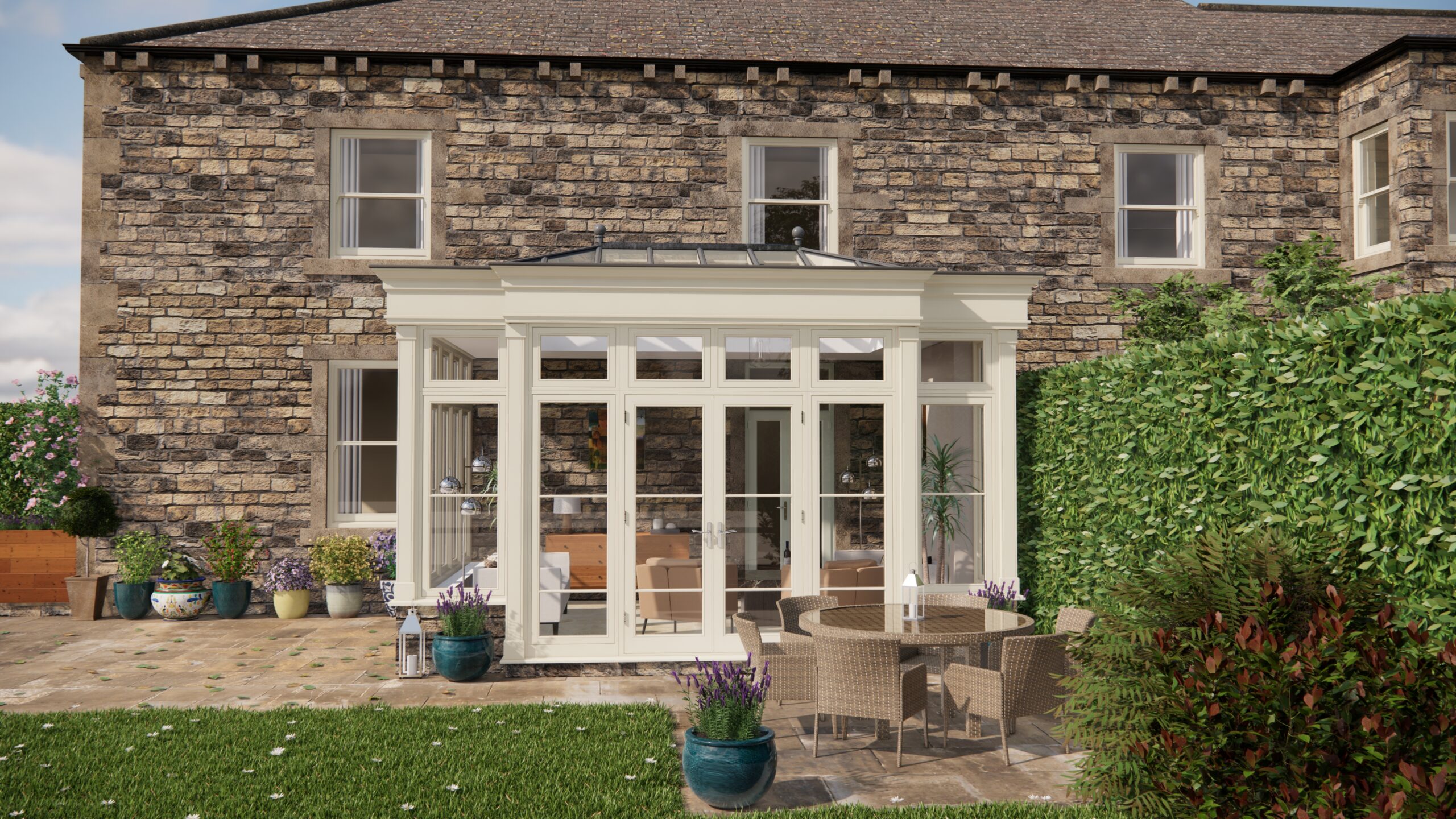

Right, let’s talk decking. Not just any decking, mind you, but decking that actually works in a UK garden. We’re all about making the most of our outdoor spaces, aren’t we? And after wading through countless gardening articles about everything from perfect peonies to pernicious pests, I’ve realised that hardscaping, particularly decking, is a game-changer. Forget just looking at your garden; let’s live in it!
My own journey started with a slightly soggy lawn and a wistful longing for a seamless transition from my kitchen to the outside world. The solution? A well-planned deck. The sheer versatility of decking blew me away – it’s not just a flat surface; it’s an extension of your home. So, where to start?
Material Matters: Fighting the UK Weather
First, forget those flimsy imported timbers. We need materials that can handle our unpredictable weather. Pressure-treated softwood is a classic for a reason. It’s relatively affordable and, crucially, protected against rot and insect damage. Make sure it’s properly treated – look for the green tinge. The downside? It needs regular maintenance – sanding and re-staining every year or two to keep it looking its best. I even found one company that provides online video guides on how to properly stain my decking.
Composite decking is the other star player. Yes, it’s an investment, but the benefits are substantial. It’s made from recycled plastic and wood fibres, meaning it’s incredibly durable, low-maintenance, and resistant to everything the UK throws at it. No sanding, no staining, just a wash down now and then. I initially hesitated due to the cost, but when you factor in the long-term savings on maintenance, it’s definitely worth considering. Plus, some composite decking now looks remarkably like real wood.
Design Delights: Beyond the Basic Rectangle
Now for the fun part: design! Don’t limit yourself to a simple rectangle. Think about how you want to use the space. A tiered deck can create different zones – one area for dining, another for lounging. Raised decking is fantastic if you want to level out a sloping garden or maximise your view. I even incorporated a small raised area to level out a particularly difficult sloping area.
Incorporating planters into the design adds a touch of greenery and blurs the lines between the deck and the garden. You can build them directly into the decking structure or use freestanding containers. I particularly like the look of herbs and trailing plants cascading over the edges. It’s a lovely way to add colour and fragrance.
Lighting and Seating: Setting the Mood
Don’t underestimate the power of lighting. Hidden lighting under the edges of the decking or integrated into steps creates a subtle and inviting atmosphere for those long summer evenings (or even just those hopeful spring ones!). Solar lights are a simple option, but for a more sophisticated look, consider low-voltage LED lighting.
Built-in seating is another clever way to maximise space and create a cohesive look. A simple bench along one edge of the deck can provide ample seating without cluttering the area with chairs. You can even add storage underneath the seating for cushions and other garden essentials. This saved me a fortune by not having to purchase additional storage.
Maintenance Matters: Keeping it Shipshape
Regardless of the material you choose, regular maintenance is essential. Sweep the deck regularly to remove leaves and debris. Use a stiff brush and soapy water to clean it a couple of times a year. For softwood decking, apply a wood preservative and stain every year or two. Composite decking requires less maintenance, but it’s still important to keep it clean and check for any signs of damage.
Water features are also a lovely addition to the garden and can really enhance that outdoor experience. Ponds or even just a small pump fed fountain can create a peaceful and relaxing atmosphere.
Essentially, planning, careful material selection, thoughtful design, and consistent upkeep are the keys to creating a decking area that truly enhances your enjoyment of your garden. By focusing on these principles, you can turn a simple outdoor space into an extension of your home – a place where you can relax, entertain, and truly connect with nature, regardless of what the UK weather throws at you.