Right, pop the kettle on! I had a fascinating chat with my neighbour, Leo, the other day about turning his already lovely garden into a proper haven for birds, bees, and all sorts of delightful creatures. He’d been reading up on creating wildlife-friendly spaces, particularly focusing on articles discussing plant selection for pollinators, habitat creation, and steering clear of nasty pesticides, and he was keen to put it all into practice. It was great to bounce ideas off him and share some things I’ve learned over the years.
Shrub Selection: A Feast for Fauna
Leo was particularly interested in choosing the right shrubs. He’d seen a few articles mentioning Cotoneaster, Buddleja, and Berberis. We discussed each one in detail. Cotoneaster, I explained, is a real winner. The variety ‘Cornubia’ gets a mention in loads of UK gardening blogs. It flowers in early summer, producing masses of tiny white blossoms that the bees adore. Then, come autumn and winter, it’s laden with bright red berries which the birds can’t get enough of. It’s pretty unfussy about soil, too, which is a bonus. We then considered ‘Buddleja davidii’, often called the butterfly bush, is another magnet for pollinators, flowering from midsummer right through to autumn. Its long, fragrant flower spikes come in a range of colours, from deep purple to pale pink. While it’s a vigorous grower, it does tend to be a bit ‘leggy’ and may benefit from a good prune in spring to keep it compact. He’d read that hard pruning in early spring can help it perform at its best, producing even more flowers. Finally, we touched on Berberis. They are tough, thorny shrubs that are great for providing shelter for nesting birds. Their yellow flowers in spring attract early pollinators, and they produce berries in autumn that are a good source of food for wildlife. There are many different varieties of Berberis. Leo’s garden is quite small, so we looked at dwarf varieties like Berberis thunbergii ‘Atropurpurea Nana’.
Tailoring to Space and Soil
We talked about how important it is to consider the size of your garden and your soil type when choosing shrubs. For a smaller garden like Leo’s, he would do well with a couple of dwarf Cotoneasters, and maybe a compact Buddleja like ‘Buzz’ series. He also has quite heavy clay soil, so he needs to choose shrubs that can cope with that. Cotoneaster is generally fine with clay soil, but Buddleja prefers well-drained soil, so Leo might need to improve the drainage in that area. Adding plenty of organic matter, like compost or well-rotted manure, can help to improve the drainage and fertility of the soil.
Creating Habitats: More Than Just Plants
Of course, it’s not just about the plants. We also discussed creating habitats. A small pond, even just a washing-up bowl sunk into the ground, can be a real magnet for wildlife. Leo could also consider building an insect hotel. There are loads of articles about how to do this online, using everything from bamboo canes to old bricks. The important thing is to provide a variety of different-sized holes and crevices for insects to nest in. He also likes the idea of leaving a patch of long grass in one corner of his garden. This provides shelter for insects and other small creatures. He read a nice article about this idea in one of the weekend papers he picks up.
Pest Control: Avoiding Harmful Chemicals
We had a good chat about pest control too. Leo, like me, is keen to avoid using harmful pesticides. There are plenty of organic options available, such as companion planting, attracting beneficial insects like ladybirds and lacewings, and using homemade sprays made from things like garlic or chilli. Early warning signs are a must. Spending just a few minutes each day to inspect each plant will ensure that small problems do not get out of control. Prevention is also key. Ensuring strong growth and providing lots of good nutrients will limit the impact of any pest. A good feed in early spring can help massively. I suggested Leo look into introducing nematodes to his garden, as they are a great help in organically controlling pests.
Orangeries and Wildlife: A Symbiotic Relationship
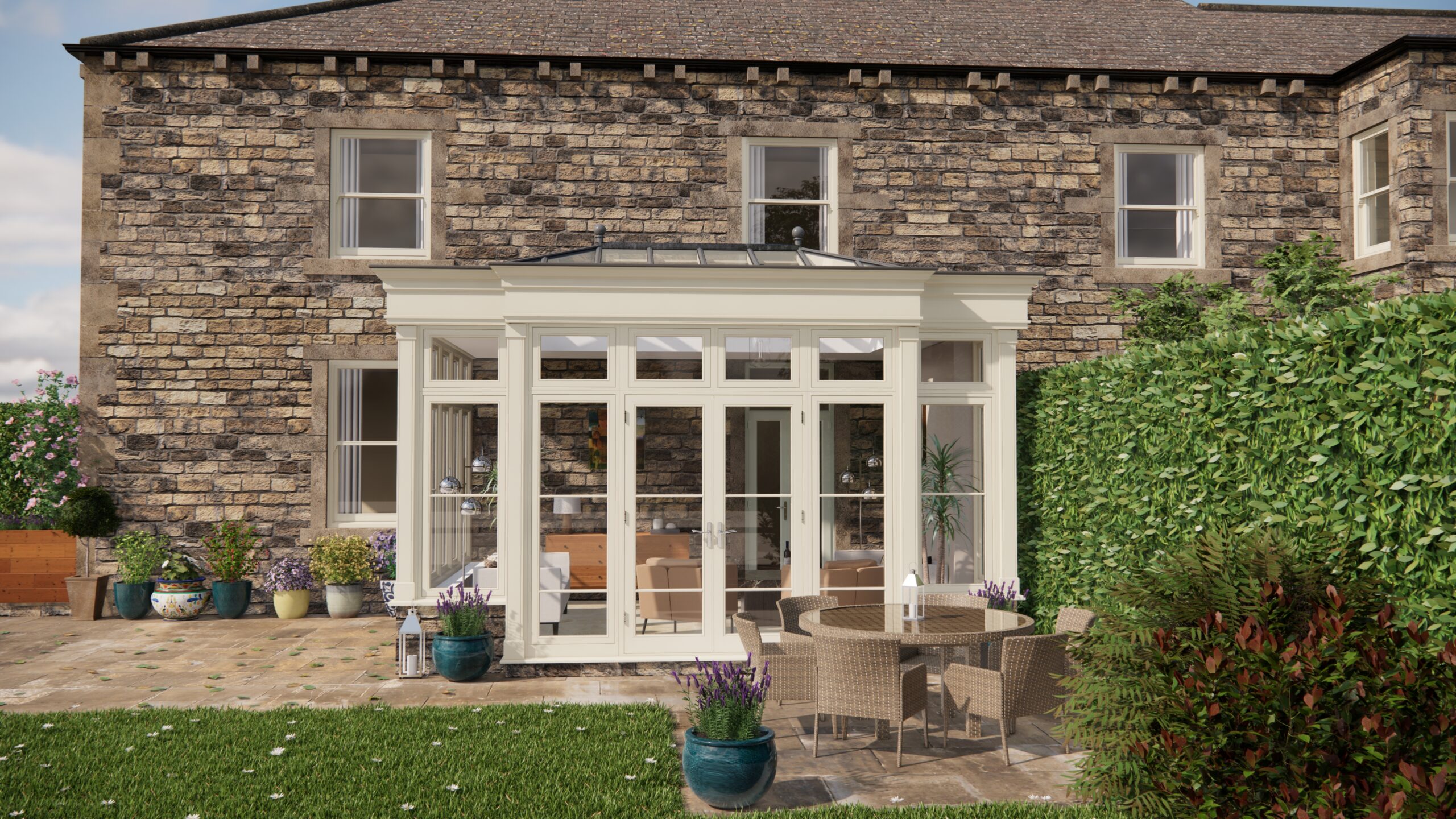
I also touched on how an orangery can enhance your enjoyment of a wildlife-friendly garden. Imagine sitting in your orangery, sipping a cup of tea, and watching the birds and bees flitting about outside. You can even grow some pollinator-friendly plants in pots inside the orangery, extending the flowering season and providing food for wildlife even in winter. We went through the designs of different orangeries and how they can be built to minimise harm to the garden when they are constructed.
Pulling It All Together:
So, what did I learn from my chat with Leo? Well, it reinforced the idea that creating a wildlife-friendly garden is not just about planting a few shrubs. It’s about understanding the needs of different creatures, creating habitats, and avoiding harmful pesticides. It also involves careful shrub selection based on your garden size, soil type, and desired flowering time. Leo left the discussion with a clear plan of action to implement these techniques. By following these simple steps, you can transform your garden into a buzzing, vibrant haven for wildlife, and enjoy all the benefits that come with it. It is all about making the most of enjoying your outdoor space!