
As a devoted reader (and sometimes writer!) for garden-focused blogs here in the UK, I’m constantly absorbing new ideas, from the charm of a cottage garden overflowing with roses to the sun-baked allure of a Mediterranean oasis. But lately, I’ve been particularly captivated by the idea of bringing a touch of the Far East to my own little patch of land. Specifically, I’ve been diving deep into the art of Japanese garden design.
My journey started with the usual: online articles. But I quickly realised this was more than just picking pretty plants; it was about embracing a philosophy. So, I wanted to share my understanding with you. Imagine stepping into your garden and immediately feeling a sense of calm wash over you. That’s the promise of a Japanese garden, and it’s entirely achievable, even here in our rather less-than-temperate climate.
The Foundation: Rocks, Water, and Greenery
At its heart, a Japanese garden is about harmony. The key ingredients are rocks, water (or the suggestion of water), and carefully chosen plants.
-
Rocks (Ishi): These aren’t just randomly placed stones. In Japanese gardens, rocks represent mountains, islands, or even animals. The trick is to use rocks of varying sizes and shapes, arranging them in asymmetrical groupings. Think about burying a portion of each rock to give it a sense of permanence and natural placement. Local stone is always a good choice, as it ties the garden into the surrounding landscape.
-
Water (Mizu): If you’re lucky enough to have space, a pond or stream is a fantastic addition. I opted for a small, still pond, lined with dark liner to create depth and reflect the sky. The sound of running water from a small bamboo fountain is incredibly soothing. However, even without a full-blown water feature, you can create the illusion of water using a ‘dry riverbed’ (Karesansui). This involves carefully raking gravel or sand to mimic the flow of water, using rocks to define the banks.
-
Plants (Shokubutsu): This is where careful selection is crucial. Japanese maples (Acer palmatum) are quintessential, providing stunning autumn colour. Azaleas, with their vibrant blooms, are another classic choice. And don’t forget moss! Moss creates a beautiful, soft carpet underfoot and adds to the sense of tranquility. Pruning is key. Japanese gardening is as much about what you don’t plant and what you remove as it is about what you add. Prune with intention, shaping plants to reveal their natural form and encourage graceful branching.
The Soul of the Garden: Minimalism, Balance, and Symbolism
Japanese gardens are defined by minimalism. Less is definitely more. Avoid clutter and focus on a few key elements. Balance is also critical. This doesn’t mean perfect symmetry; it means creating a sense of visual equilibrium. Consider the placement of rocks, plants, and other features to achieve this.
Symbolism runs deep in Japanese garden design. Everything has meaning, from the types of plants used to the arrangement of rocks. For example, a single, carefully placed stone lantern (Tōrō) can represent enlightenment, while a bamboo fence (Takegaki) symbolises protection and defines the boundaries of the sacred space. Researching the symbolism behind different elements can add a whole new layer of meaning to your garden.
Bringing it All Together
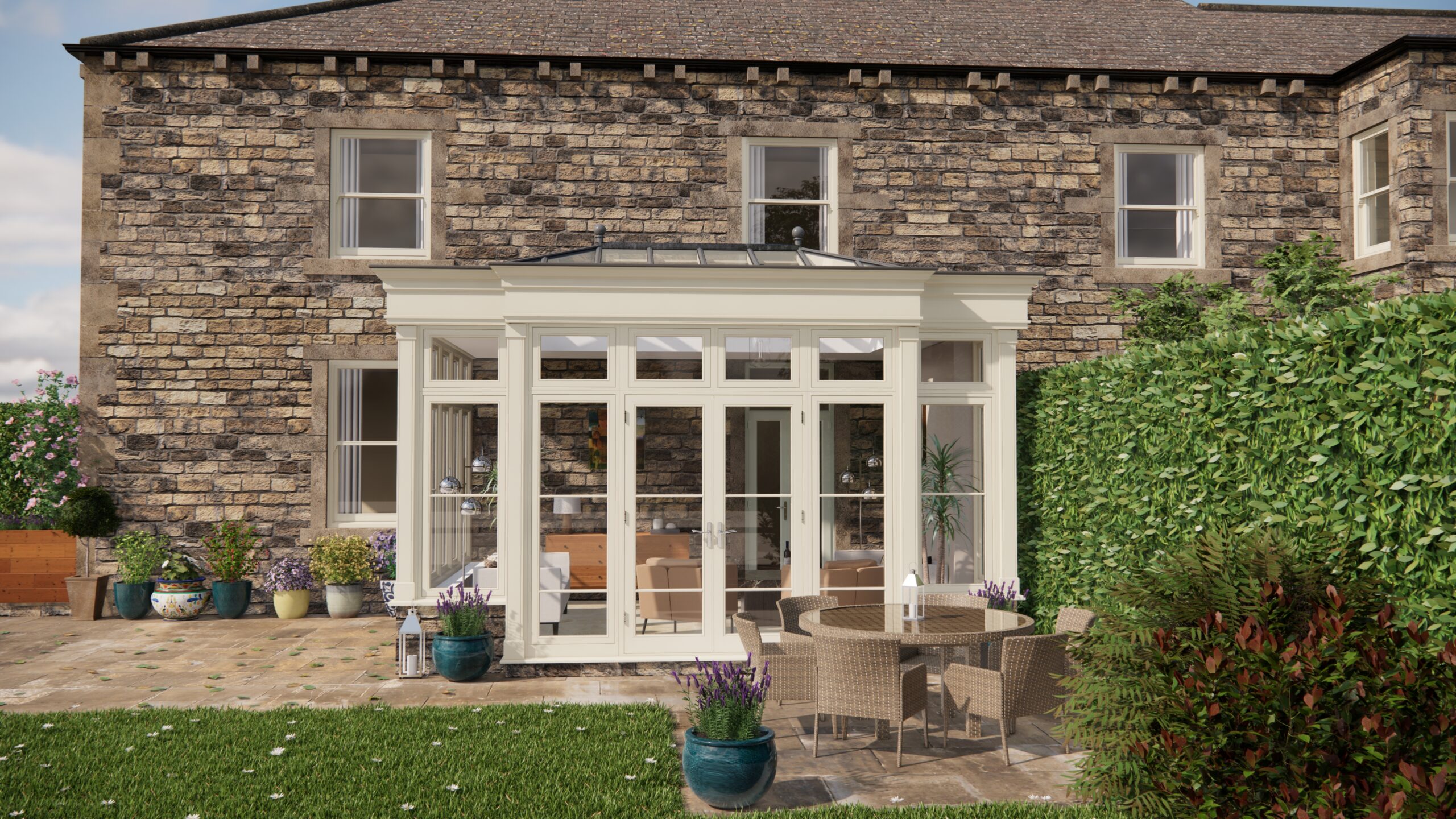
My own project is still a work in progress, but the initial results are incredibly rewarding. It’s not a large space – about 15 square meters – but it is designed to reflect the principals. I have my small pond, a dry riverbed, and a carefully chosen selection of plants. The sound of the bamboo fountain as I sit there creates a place of quiet contemplation. It’s a welcome addition to my garden experience. From the peaceful solitude to the added feature of an orangery allows you to feel the same sense of clam even on those rainy days, a perfect addition to the UK garden.
So, if you’re looking for a garden that promotes peace and reflection, explore the possibilities of Japanese garden design. With careful planning and attention to detail, you can create your own little slice of serenity, a world away from the hustle and bustle of daily life, all within the confines of your UK backyard.