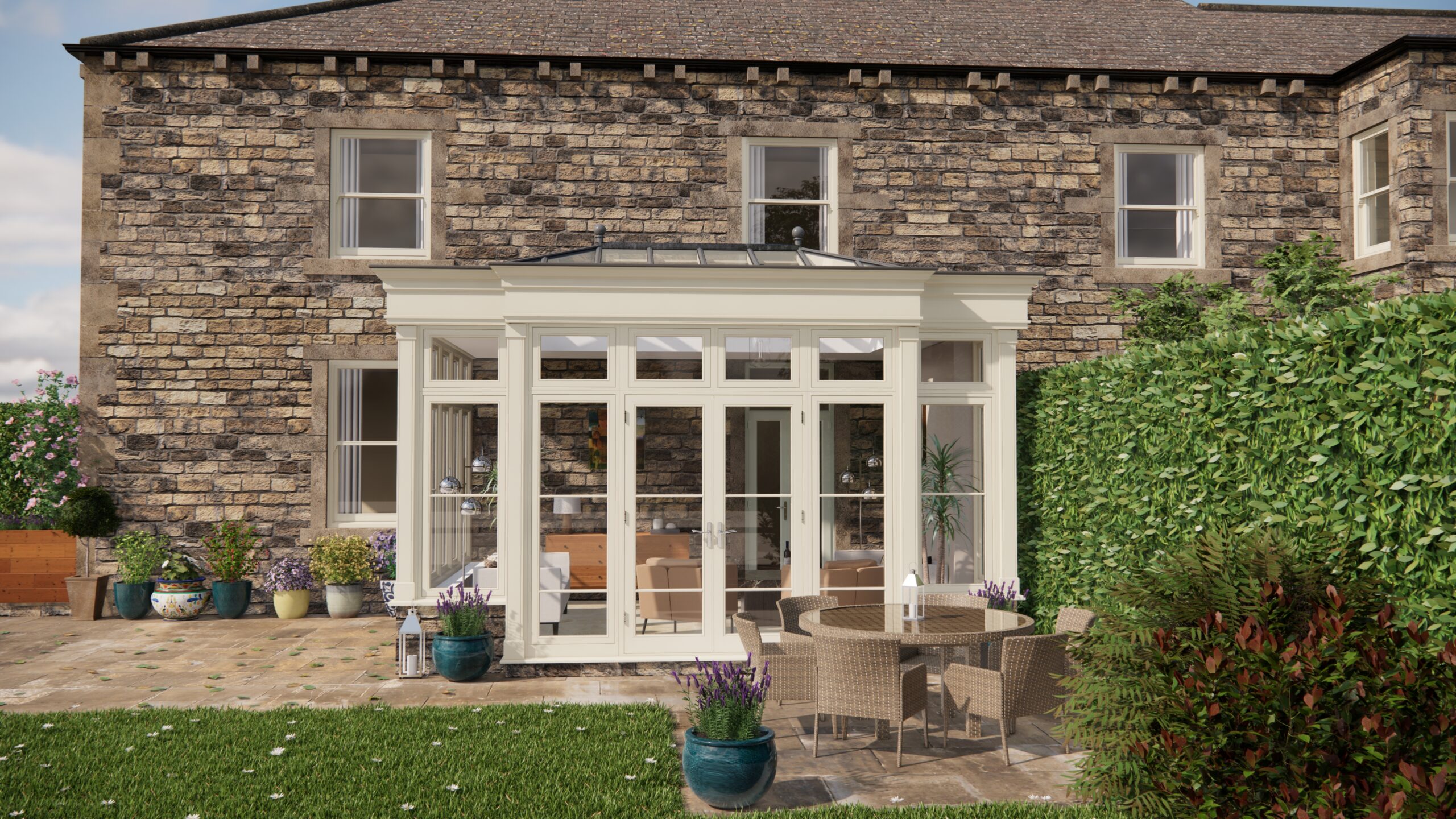
Right, let’s talk orangeries and outbuildings, specifically the planning permission minefield that comes with them. I was just chatting with Rachel the other day – she’s knee-deep in planning her dream orangery, and let me tell you, the sheer volume of rules and regulations can feel overwhelming. So, I thought I’d share some of our conversation, focusing on navigating the UK planning landscape.
First things first, Permitted Development Rights (PD). This is often the first hurdle to clear. Basically, PD allows you to build certain outbuildings without needing full planning permission, but there are strict limits. Rachel learned (the hard way!) that these limits cover everything from size and height to placement and materials. Key considerations include the outbuilding’s distance from boundaries, its overall size relative to your property, and whether it’s forward of the principal elevation. For example, an orangery exceeding 50% of the land around the ‘original house’ wouldn’t be covered under PD. “Original house,” by the way, means the house as it was first built, or as it stood on 1st July 1948 (if it was built before then). Any extensions or alterations since then don’t count towards the ‘original’ size when calculating the 50% limit. Tricky, right?
Rachel found a brilliant checklist online from her local council’s website. It asked her to confirm details such as: is it to be used for residential purposes, does it take up more than half the area of land around the “original house”, the height and so on. I would recommend you check for something similar.
Next up: Planning Applications. If your orangery dream stretches beyond the PD boundaries, you’ll need to submit a full planning application. This involves creating detailed plans, elevations, and site maps, and sending them off to your local planning authority. You’ll need to include a design and access statement too, outlining the proposal and demonstrating how it sits sympathetically with its surroundings. Rachel found it incredibly helpful to engage with a local planning consultant at this stage. They could advise on the likely success of the application, identify any potential issues early on, and help navigate the application process. Planning Consultants are not cheap, but they can save you time and heartache in the long run.
Listed Buildings & Conservation Areas. Now, if your property is listed or located within a conservation area, things get even more complicated. Rachel’s house isn’t listed, thankfully, but she’s in a conservation area, so she still has to jump through extra hoops. Planning permission is almost certainly required for any significant alterations or extensions to a listed building. For conservation areas, the focus is on preserving the character and appearance of the area. This means the planning authority will scrutinise the design, materials, and impact of your orangery on the surrounding environment. Rachel had to choose materials that matched the existing architecture of the street and take steps to minimise any visual impact.
Building Regulations. Don’t confuse planning permission with building regulations approval. Planning permission deals with the ‘look’ and ‘location’ of the building, while building regulations ensure it’s structurally sound, safe, and energy efficient. Regardless of whether you need planning permission, your orangery will need to comply with building regulations. This covers aspects like structural stability, fire safety, damp proofing, ventilation, and energy performance. Rachel needed to ensure that the foundations were adequate, the roof was properly insulated, and the windows were energy efficient. A building inspector will need to sign off on each stage of the build to ensure it meets the required standards.
Practical Tips from Rachel’s Experience:
- Engage Early: Talk to your local planning authority early in the process. Many offer pre-application advice services, where you can discuss your proposals and get feedback before submitting a formal application.
- Be Prepared: Gather as much information as possible about your property and the surrounding area. This includes maps, photographs, and historical documents. Research similar orangery projects in your area to see what has been approved or rejected.
- Be Flexible: Be prepared to compromise on your design to meet planning requirements. Rachel had to adjust the size and style of her orangery to address concerns raised by the planning officer.
Ultimately, getting planning permission for an orangery or outbuilding can be a complex process, but it doesn’t need to be scary. By understanding the key principles of permitted development rights, planning applications, listed building regulations, and building regulations, you can navigate the process more effectively. Rachel has learnt that good luck is key, and that, along with the advice above, will enable her to get her dream orangery.