Right, kettle on and let’s settle in. Today, I’m diving into the history of UK gardens with Rosie, a self-confessed garden history geek – and a fountain of knowledge, I might add! I’m researching for our ‘Enjoying Your Garden’ section, specifically how understanding the past can inform our present gardening choices. We’re focusing on how gardens have evolved in the UK, from grand estates to the back gardens of terraced houses, and everything in between.
“So, Rosie,” I started, sipping my tea, “where does one even begin with UK garden history? It feels so vast!”
Rosie chuckled. “That’s the beauty of it! But if you want a good starting point, think about the contrast between the formal gardens of the 17th and 18th centuries and what came later. Before, gardens were largely symbols of status and control. Think symmetrical layouts, topiary, parterres…everything meticulously planned and maintained. These gardens, often attached to stately homes, were designed to impress. They showed off the owner’s wealth and power. Capability Brown was a key figure here, essentially redesigning landscapes on a massive scale.”
“Right, those imposing vistas! So, what changed?” I asked, picturing those geometrically precise hedge mazes.
“The move towards a more ‘natural’ or ‘picturesque’ style in the late 18th century. People, influenced by Romanticism, started valuing irregularity and the illusion of untouched nature. Think winding paths, artificial lakes, and carefully placed follies to create ‘scenes’. Humphry Repton was a leading light here, a successor to Capability Brown, but with a slightly different emphasis. He’d present clients with ‘Red Books’ showing before and after views of their estates, a brilliant marketing ploy!”
I made a note: research Humphry Repton. “So, these were still largely the preserve of the wealthy? What about the average person?”
“Absolutely. The explosion of interest in gardening among the middle classes really happened during the Victorian era,” Rosie explained. “The Industrial Revolution led to a rise in the middle class and with that came suburban expansion. People had smaller gardens but were keen to cultivate them. Garden advice became widely available through books and magazines. This is where we start seeing the focus on practicality and beauty within a smaller space. Think cottage gardens, with colourful flower borders, vegetables and herbs all mixed together. Gertrude Jekyll was hugely influential here, with her focus on colour theory and naturalistic planting.”
“Gertrude Jekyll! I know that name. So, from grand landscapes to cottage gardens, and now? Where are we?”
Rosie smiled. “Post-war, you see a lot of influences: Modernism, a desire for low-maintenance spaces. Then a growing awareness of the environment has changed things significantly. People are now more interested in sustainability, wildlife gardening and embracing alternatives to traditional lawns – wildflower meadows, gravel gardens, more permeable paving. We’re moving away from the monoculture of the perfect lawn towards biodiversity and creating habitats.”
“It’s come full circle in a way, hasn’t it? From control to a more symbiotic relationship with nature? What are your top tips for readers wanting to create a garden that respects this historical evolution but is also relevant today?”
“Firstly, look at your space and consider its context. What style of architecture is your house? What are the surrounding gardens like? Then think about your needs and priorities. Do you want a space for entertaining? For growing food? For wildlife? Once you know what you want to achieve, you can start planning your design.”
“Secondly, research different styles and plants to see what appeals to you. Visit gardens for inspiration. Don’t be afraid to mix and match elements from different periods, but try to do it in a cohesive way. And finally, remember that a garden is a living, breathing thing. It will evolve over time, so be prepared to adapt and experiment.”
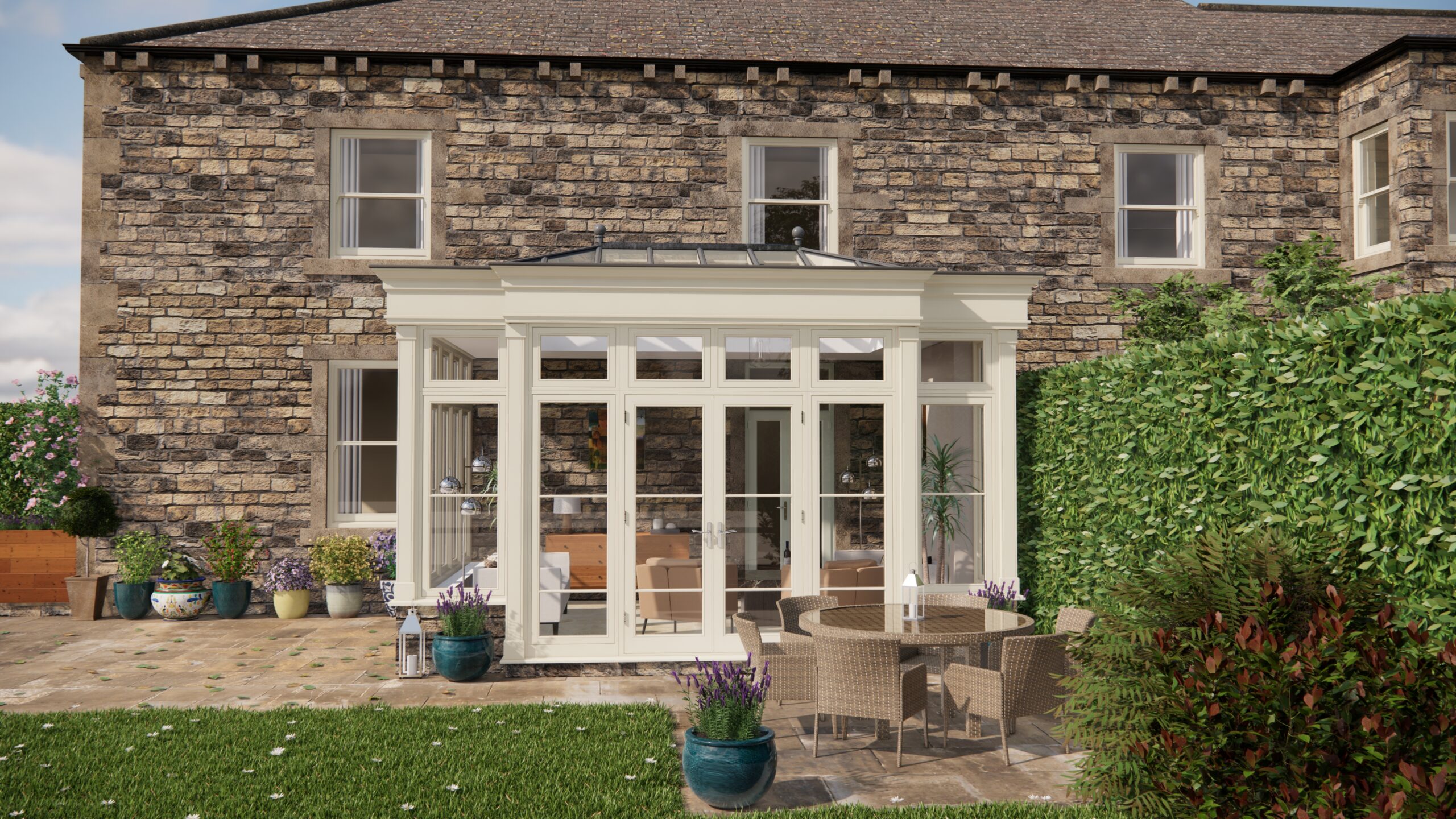
“Excellent advice, Rosie! So, how does an orangery fit into all this?” I asked, steering the conversation back to our key themes.
“Orangeries, historically, were about protecting citrus trees in the winter. Today, they offer so much more. They blur the line between indoors and out, extending the garden season and creating a beautiful focal point. They also echo that Victorian love of bringing the outdoors in, creating a tranquil space to enjoy the beauty of nature year-round. An orangery is just another step in the evolution of UK gardens; always changing always adapting. “
Thanks to my chat with Rosie, I’ve got a much clearer picture of how UK garden styles have evolved. It’s clear the past holds clues for creating beautiful and sustainable gardens today. Thinking about the historical context, understanding the impact of different design choices, and considering our own needs helps us create gardens that are both aesthetically pleasing and environmentally responsible. From the grand designs of Capability Brown to the cosy cottage gardens of Gertrude Jekyll, there’s inspiration everywhere. The journey of UK gardening from formal to naturalistic, from control to collaboration with nature, offers valuable lessons for creating a garden that truly brings enjoyment.