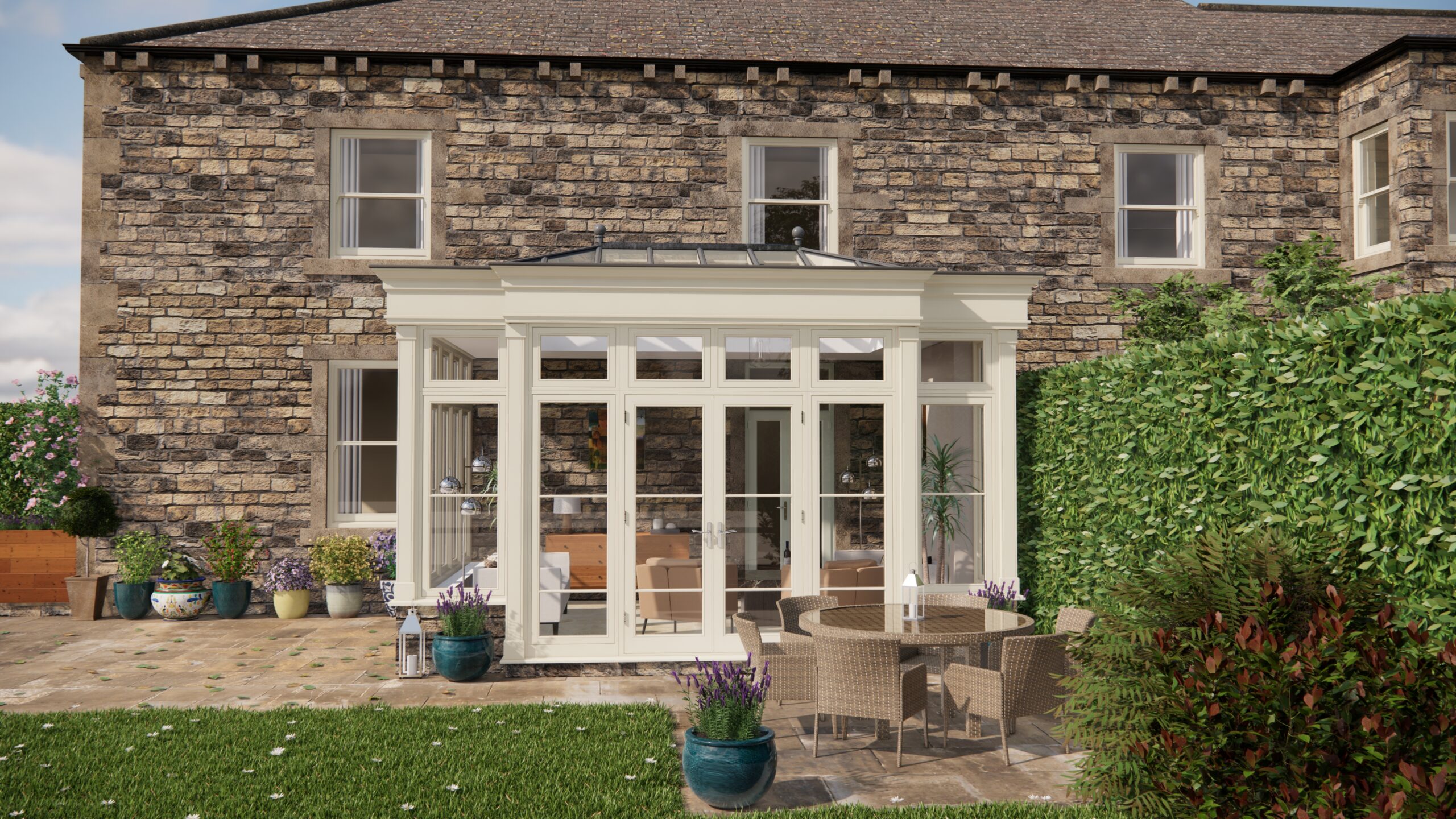
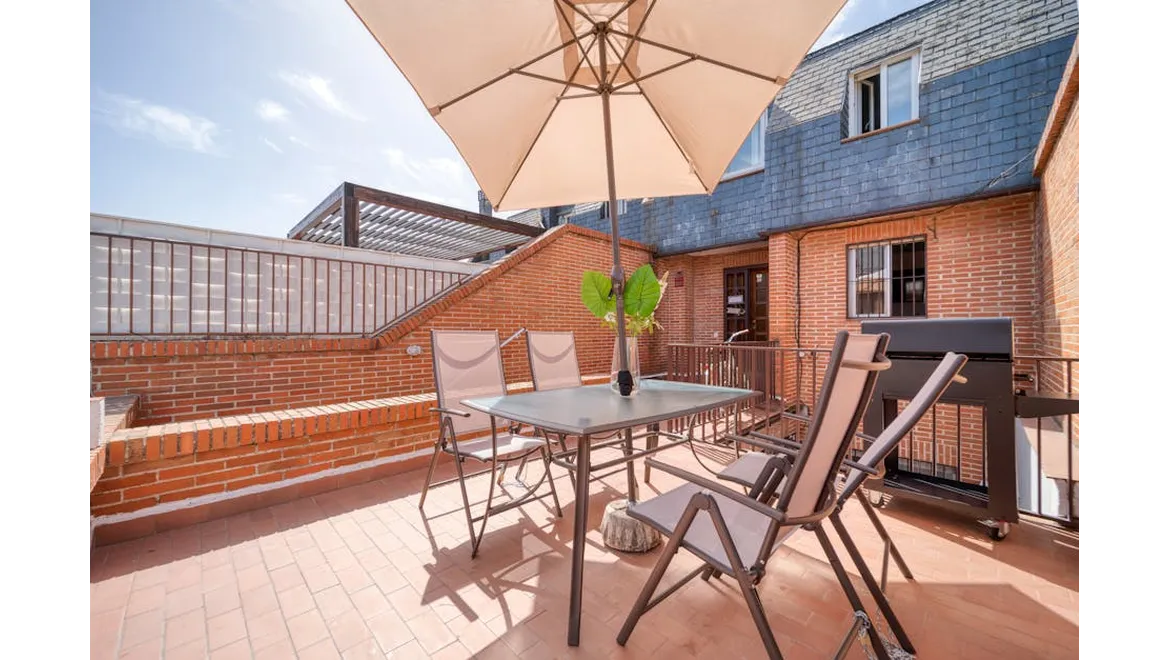
Here at ‘Gardens of Delight’, we’re always on the lookout for inspiration, particularly when it comes to blending hardscaping with the natural beauty of a UK garden. This week, I sat down with Matthew, a keen gardener and DIY enthusiast, to delve into his experience of creating a classic English patio. His project perfectly showcases how to transform an outdoor space with the right materials and a bit of elbow grease.
“So Matthew,” I began, settling into my garden chair, “what sparked your interest in building a patio?”
“Well,” he chuckled, “the garden felt a bit… incomplete. We had lovely flower beds and a decent lawn, but nowhere comfortable to sit and enjoy it all. Plus, the area closest to the house was always muddy after it rained!”
His reasoning is a common one! A well-designed patio truly extends your living space into the garden. The question then became what kind of patio to build. Matthew’s heart was set on a classic English style.
Embracing the Classic Aesthetic:
“I was really drawn to the timeless look of traditional English gardens,” Matthew explained. “Think York stone, aged brick, that sort of thing. It felt like it would naturally complement the surrounding greenery.”
And he’s spot on! For a truly classic English patio, consider these paving options:
- York Stone: A premium choice, known for its durability and natural, slightly uneven surface. It lends an air of sophistication and age.
- Brick: More affordable and readily available, brick paving offers warmth and character. Herringbone or basketweave patterns add visual interest.
- Cotswold Stone: A beautiful honey-coloured limestone that is perfect for a more rustic and charming effect. However, do check it is appropriate for your area as it can be susceptible to frost in some conditions.
Matthew opted for a combination of reclaimed York stone for the main patio area and brick edging to define the space. He sourced the materials from a local reclamation yard, giving his patio an instant sense of history.
Design and Layout:
“I spent ages sketching out different layouts,” Matthew admitted. “Eventually, I settled on a rectangular design that mirrored the shape of the house. I wanted it to feel like a natural extension of the indoor living space.”
A key consideration here is proportion. A patio that’s too small will feel cramped, while one that’s too large can dominate the garden. Matthew’s decision to echo the house’s shape was a smart one, creating a sense of visual harmony. He added that he made sure to leave ample space around the patio for planting. This is vital to soften the hard edges of the stone and create a more inviting atmosphere.
Planting for Softness and Colour:
“The planting was just as important as the paving,” Matthew emphasised. “I wanted to blur the lines between the patio and the garden, so I focused on plants that would spill over the edges and add pops of colour.”
Some excellent choices for softening patio edges include:
- Lavender: Fragrant, low-maintenance, and attracts bees. A classic choice for English gardens.
- Rosemary: Another fragrant herb that adds texture and a Mediterranean feel.
- Nepeta (Catmint): A vigorous, long-flowering plant that softens hard edges beautifully.
- Trailing Thyme: Perfect for creeping between paving stones, releasing its fragrance when stepped on.
Matthew also incorporated climbing roses and clematis to adorn a nearby pergola, further blurring the boundaries between the patio and the garden.
DIY: A Step-by-Step Guide (For a Small Patio):
“Okay,” I said, keen to get to the nitty-gritty, “tell me about the DIY process. Was it a back-breaker?”
“Definitely challenging,” he laughed, “but also incredibly rewarding. I broke it down into manageable steps.” Here’s a simplified version of his approach:
- Planning and Preparation: Measure the area, sketch the layout, and gather your materials (paving stones, sand, gravel, cement, edging materials). Essential tools: shovel, spirit level, rubber mallet, trowel, wheelbarrow.
- Excavation: Dig out the area to a depth of about 20cm (8 inches). This will allow for a sub-base of gravel, a layer of sand, and the paving stones themselves. Ensure the base is level.
- Sub-Base: Add a layer of compacted gravel (around 10cm/4 inches thick). This provides drainage and a stable foundation. Use a plate compactor for best results, or a hand tamper if you are feeling energetic.
- Sand Bedding: Spread a layer of sharp sand (around 5cm/2 inches thick) over the gravel. This provides a smooth, even surface for the paving stones. Level the sand carefully using a screed board.
- Laying the Paving: Carefully lay the paving stones, leaving small gaps (around 1cm/half an inch) between them. Use a rubber mallet to gently tap the stones into place and a spirit level to ensure they are level. If using reclaimed stone, this is where you get creative. Take time to select stones that complement each other in size, shape and colour.
- Jointing: Fill the gaps between the paving stones with mortar (a mixture of sand and cement) or a jointing compound. Brush away any excess mortar or compound. Alternatively, consider using a resin-based jointing compound which is easier to apply and more durable. Matthew used the resin-based product and he was very pleased with the result.
- Edging (Optional): Install edging materials (e.g., bricks, paving stones) to contain the patio and prevent the paving from shifting. Ensure the edging is level with the paving stones.
- Safety First: Always wear safety glasses and gloves when working with tools and materials. Use knee pads for prolonged periods of kneeling.
Matthew rightly points out that a large patio would be very hard to DIY and that a professional should be considered for such a project.
The Finished Product:
Matthew’s new classic English patio has truly transformed his garden. By carefully considering materials, design, and planting, he’s created a space that’s both beautiful and functional. The York stone and brick paving, combined with the lush planting, perfectly complements the traditional English garden aesthetic.
His experience highlights the key considerations for anyone looking to create a similar space: choosing the right paving materials to complement the garden’s style and the home, carefully designing the layout to optimise space and flow, and softening the hard edges with thoughtfully chosen plants. Remember the advice above on a step-by-step guide for a small patio project; always put safety first. Whether you tackle the project yourself or hire a professional, the result is a garden enhanced by a beautiful classic English patio.