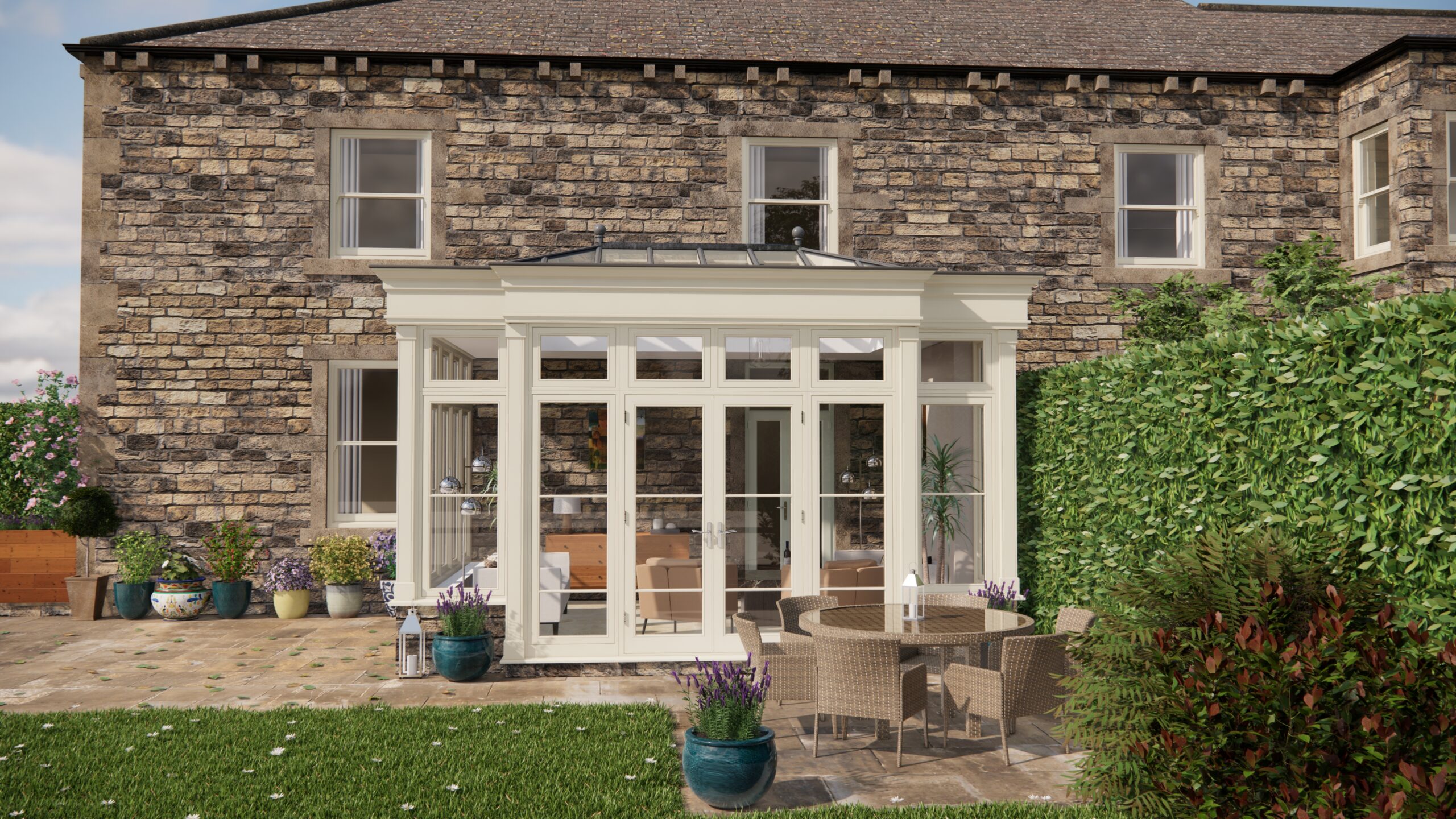
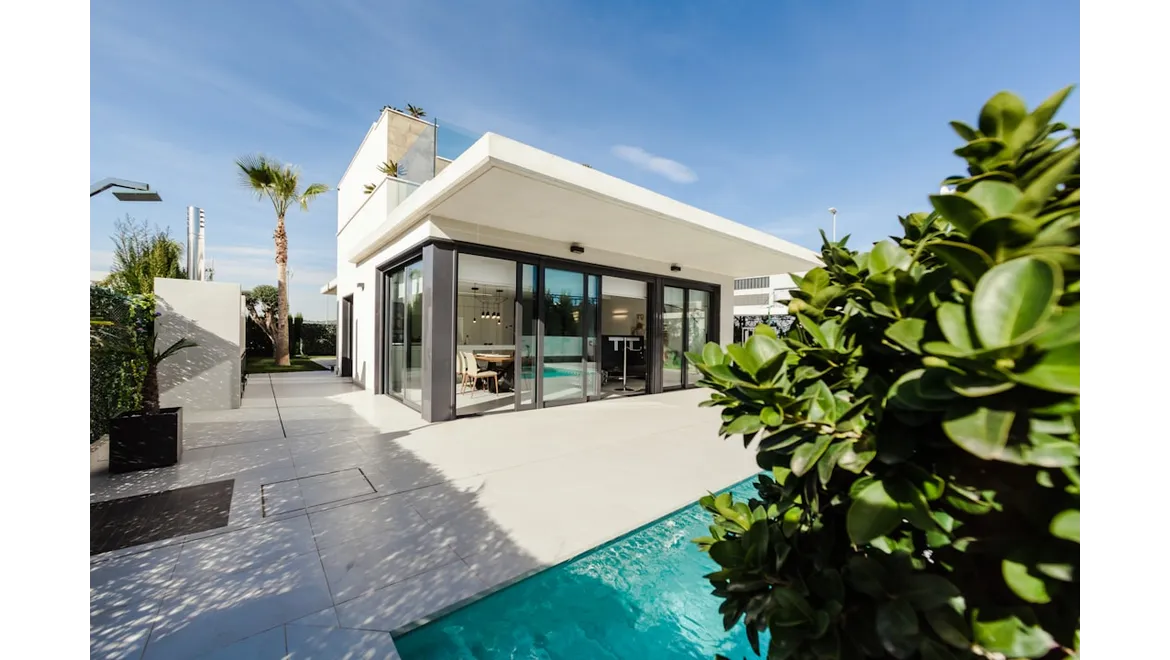
Right, let’s settle in with a cuppa and chat about something I’ve been delving into lately – garden enjoyment in the UK, specifically how an orangery can totally transform the way you experience your outdoor space. I was just having a fascinating conversation with Joseph the other day about this very thing, and I thought I’d share some of our insights. We were specifically discussing themed garden design, you know, cottage gardens, Mediterranean escapes, that sort of thing, and how an orangery fits into the picture.
So, Joseph is a keen gardener with a real passion for Mediterranean style gardens. He loves the idea of bringing that sun-drenched feeling to his home, even in our sometimes-dreary UK climate. He’s been reading loads of articles about incorporating drought-tolerant plants like lavender, rosemary, and olive trees into his garden. But the challenge, of course, is protecting those slightly more tender specimens during the winter months. That’s where the orangery idea came in.
“Imagine,” he said, eyes gleaming, “being able to stroll through my own little Mediterranean oasis, even when it’s snowing outside! An orangery would be the perfect bridge between the house and the garden, a warm and inviting space where I can nurture my plants and extend the growing season.”
We started discussing the different styles of orangeries and how they can complement various garden designs. For a Mediterranean garden, a bright, airy orangery with large windows and a simple, clean design would work beautifully. Think white walls, terracotta pots, and perhaps a stone floor to really evoke that Mediterranean feel. It could even be incorporated by building a path directly from your orangery to a part of your garden. An Orangery can complement the theme but must be designed well to be an extension of it rather than a part of it.
We looked at some examples in articles about garden design. One article suggested incorporating reclaimed materials like old bricks or weathered timber to give the orangery a rustic, authentic feel. Another highlighted the importance of orientation, suggesting positioning the orangery to maximise sunlight exposure for those sun-loving plants.
Joseph was particularly interested in the practical benefits of an orangery for growing tender plants. He’s been struggling to keep his olive tree happy indoors during the winter, and the humidity levels are always a challenge. An orangery, with its controlled environment and ample sunlight, would provide the ideal conditions. It would act as a transition space, allowing plants to acclimatise gradually to the changing seasons.
Beyond the practical benefits, we talked about the enjoyment factor. Imagine having a comfortable space where you can relax and entertain, surrounded by lush greenery, even when the weather outside is less than ideal. An orangery becomes an extension of your living space, a place to escape and reconnect with nature. You could furnish it with comfortable seating, add a small table for enjoying breakfast, and even install a sound system to create a truly immersive experience. It should be thought of as a living space, but not just any living space, one that blends harmoniously with the outdoors.
One article we read focused on sensory gardens and how an orangery could be adapted to create a similar experience. Think about incorporating fragrant plants like jasmine and lavender, adding the gentle sound of a water feature, and using textured materials to stimulate the senses. It could be a truly therapeutic space, perfect for relaxation and mindfulness.
To replicate Joseph’s journey, start by researching different orangery styles and materials. Consider how the design will complement your existing garden and home. Think about the plants you want to grow and the overall atmosphere you want to create. Read articles about orangery design and maintenance, and don’t be afraid to seek professional advice from architects or garden designers. Getting an orangery can be an expensive business so it is very important to get it right.
Finally, remember that an orangery is more than just a structure; it’s an investment in your well-being and your enjoyment of your garden. It’s about creating a seamless connection between indoors and outdoors, allowing you to appreciate the beauty of nature throughout the year. So, whether you’re dreaming of a Mediterranean oasis, a tranquil Japanese garden, or a vibrant cottage garden, an orangery could be the key to unlocking a whole new level of garden enjoyment.