
Right, let’s talk home wellness. And not just the aesthetically pleasing, Instagrammable kind, but the truly inclusive variety. You see, I’ve been diving deep into this idea of designing spaces that genuinely cater to everyone, regardless of their physical abilities. Forget token gestures; we’re aiming for thoughtful, integrated design. My recent exploration, “Beyond Ramps: Designing Universally Accessible Pathways to Home Wellness,” really opened my eyes. It’s been a journey, and I want to share the key takeaways with you.
Thinking Beyond the Ramp: A Smoother Approach
The first, and arguably most crucial, element is rethinking accessibility pathways. We often default to ramps, and while they’re sometimes necessary, they’re not always the most elegant or practical solution. My research focused on alternatives that blend seamlessly into the home’s aesthetic. Think gradual slopes, carefully considered inclines that feel more like a gentle shift in elevation than a challenging obstacle. For this, careful gradient calculation is essential. Ideally you want to use 1:20 gradient where possible. Platform lifts can also be a great option if space is limited. Finally, level thresholds; getting rid of those small lips at doorways that can trip up walkers or wheelchairs. These small changes really do make a big difference, both in safety and user experience.
Integrating Accessibility with Style
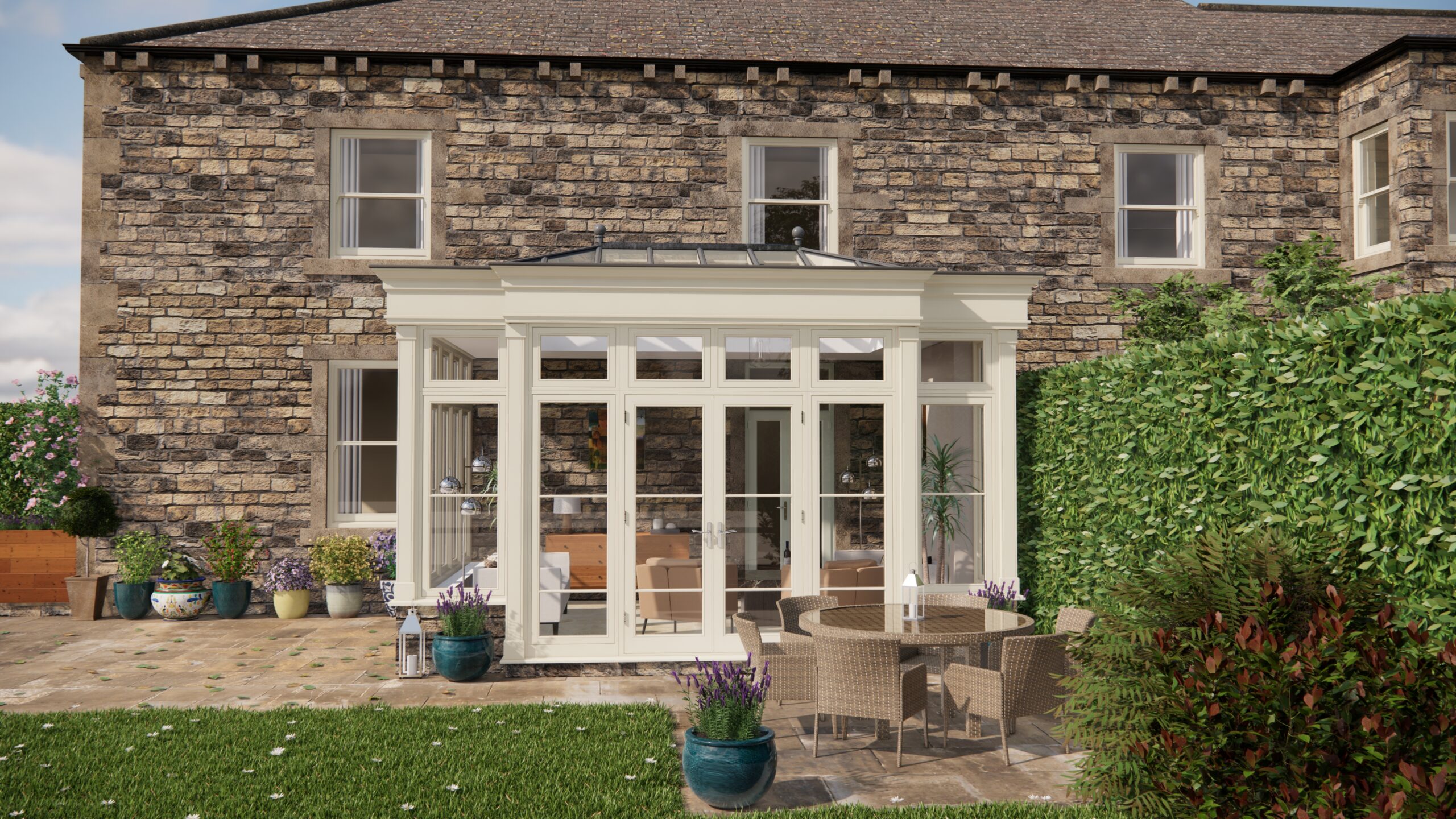
Of course, accessibility shouldn’t come at the expense of style. It’s about weaving these features into the design in a way that feels organic and intentional. Imagine a garden path leading to an orangery, gently sloping upwards with textured, non-slip paving. Or a platform lift subtly integrated into a patio design, its operation quiet and smooth. Consider the materials; opting for colours and textures that provide visual contrast for people with visual impairments. It’s about mindful design, one that celebrates both form and function. You should also be sure to comply with all local regulations for accessibility for new builds.
Home Wellness Activities: Yoga for All Ages and Abilities
Now, let’s bring it back to wellness. How can we ensure that our home spaces support these activities for everyone? Yoga is a great example. Whether you are doing yoga in your living room or an orangery the space must be designed to be accessible for anyone of any age or physical ability. Create a designated area with plenty of natural light and ventilation. Opt for flooring that provides good grip but is also gentle on joints. Provide adjustable props like blocks and straps to cater to varying levels of flexibility. Consider adaptable seating options to allow people who struggle to stand or have trouble with ground work to partake with comfort. Remember that relaxation is just as crucial; create spaces for quiet contemplation, perhaps with comfortable seating and calming music.
The Orangery Advantage: A Sanctuary for Body and Mind
Orangeries offer a unique advantage when it comes to home wellness. Their abundant natural light is incredibly beneficial for both physical and mental well-being. The connection to nature, with views of the garden, creates a sense of calm and tranquility. Think about incorporating features like heated flooring for added comfort during yoga practice or installing automated blinds to control the light and temperature. With accessibility in mind, an orangery can become a true sanctuary, a place where everyone can find peace and rejuvenation.
In conclusion
Accessibility and wellness aren’t separate concepts, they’re intrinsically linked. By taking a holistic approach to home design, focusing on inclusive pathways, adaptable spaces, and the inherent benefits of spaces like orangeries, we can create homes that truly support the well-being of everyone who inhabits them. Thinking beyond the ramp is more than just physical access. It’s about promoting feelings of belonging, independence, and a deeper connection to your home. Remember, a well-designed home is a healthy home, for everyone.