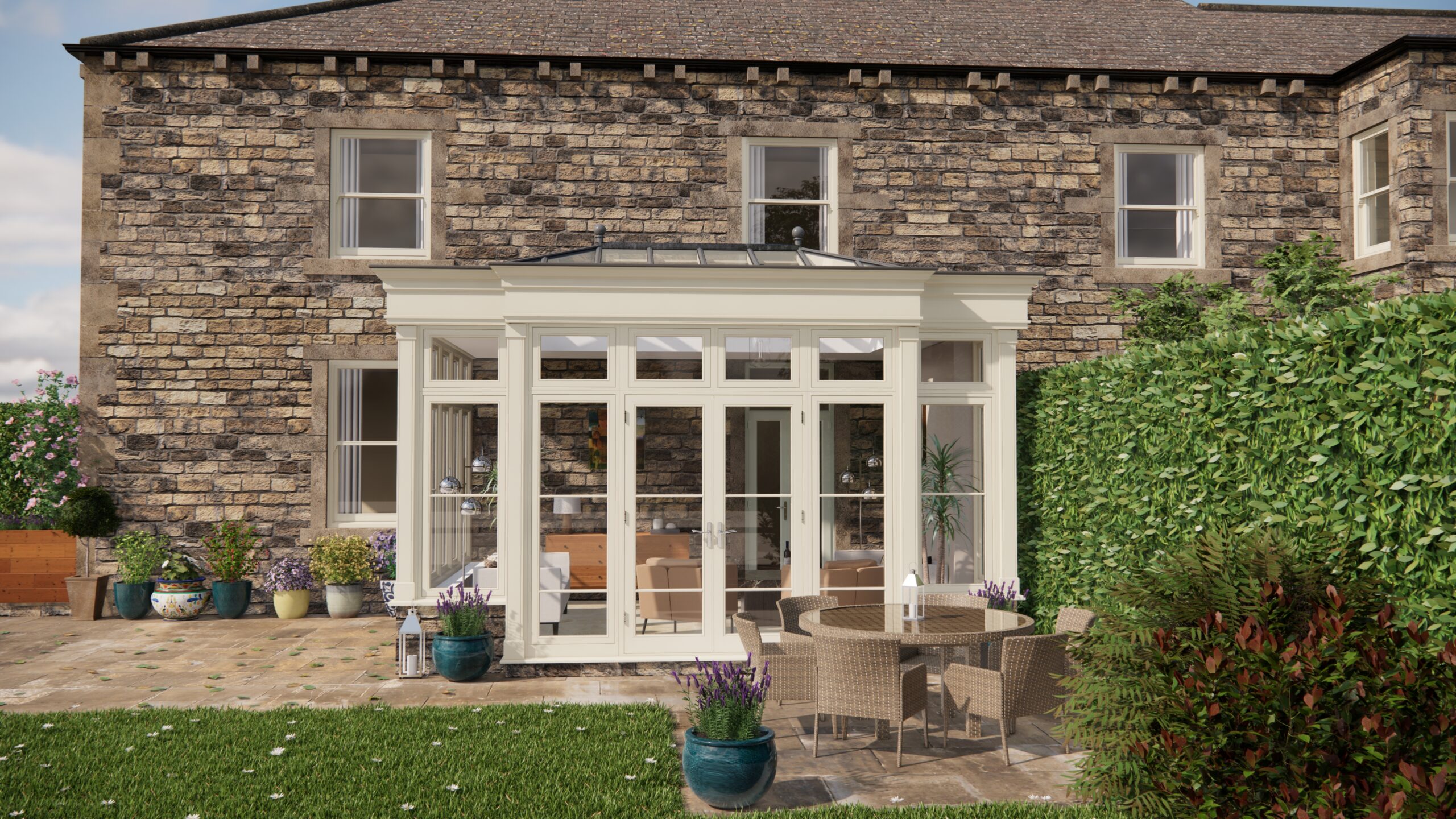
Right, so I’ve just finished wrestling with a beast of an article – ‘Energy Efficiency in Orangeries: Innovative Heating, Ventilation, and Insulation Strategies for Year-Round Comfort and Reduced Environmental Footprint’. It’s a subject close to my heart, as I’ve always believed in sustainable building, and writing this piece really hammered home just how much thought needs to go into ensuring an orangery is not just beautiful but also environmentally responsible. Let me walk you through the process.
Setting the Scene: Why Energy Efficiency Matters
First off, I had to establish why energy efficiency in an orangery is so crucial. We’re not just talking about saving a few quid on heating bills (though that’s definitely a bonus!). It’s about creating a comfortable, usable space year-round, minimising your carbon footprint, and adding long-term value to your home. An orangery that’s freezing in winter and a greenhouse in summer isn’t exactly a selling point, is it?
Insulation: The Foundation of a Cosy Orangery
Next, I dove deep into insulation. This isn’t just about slapping some fibreglass in the walls. We’re talking about a comprehensive approach. I outlined the different types of insulation materials suitable for orangeries – from rigid foam boards for the walls and roof to high-performance glazing for the windows and doors. Explaining the importance of U-values (the measure of how well a material insulates) was key, making sure readers understood that lower U-values mean better insulation. I researched specific products and offered practical advice on installation techniques, emphasizing the need for airtight seals to prevent drafts. This section had to clearly explain how each of the areas of an orangery can lose heat and how to prevent it.
Heating: Beyond the Radiator
Traditional radiators aren’t always the most efficient or aesthetic choice for an orangery. The article explores various heating options, including underfloor heating (which provides a lovely, even warmth), air source heat pumps (a renewable energy solution), and electric radiators with smart controls (for zoned heating). I also covered the benefits of thermal mass, explaining how materials like brick or stone can absorb and release heat, helping to regulate temperature fluctuations. I wanted to make sure the reader understood the heat sources available, and how to pick the best for their needs.
Ventilation: Letting the Good Air In (and the Bad Air Out)
Ventilation is another crucial aspect of energy efficiency. It’s not just about opening a window when it gets stuffy. Proper ventilation helps to control humidity, prevent condensation, and maintain air quality. The article examines both natural ventilation strategies (like strategically placed vents and operable windows) and mechanical ventilation systems (such as heat recovery ventilation – HRV – which recovers heat from outgoing stale air to pre-heat incoming fresh air). Detailing the benefits of each will help the reader pick whats best for them.
Glazing: A Window of Opportunity
Glazing technology has come a long way. The article emphasizes the importance of choosing high-performance glazing with low-E coatings (which reflect heat back into the room in winter and away from the room in summer) and argon gas filling (which reduces heat transfer). I also discussed the pros and cons of different types of glass, such as self-cleaning glass and tinted glass, to help readers make informed decisions. The article also has to explain the UK requirements for glazing in buildings.
Lighting: Bright Ideas for Energy Savings
Lighting is often overlooked when discussing energy efficiency, but it can make a significant difference. The article highlights the benefits of using LED lighting (which is far more energy-efficient than traditional incandescent bulbs) and incorporating natural light through skylights and strategically placed windows. I also touched on the importance of lighting controls, such as dimmer switches and occupancy sensors, to further reduce energy consumption.
Drawing It All Together
Creating a truly energy-efficient orangery requires a holistic approach. It’s about considering all the elements – insulation, heating, ventilation, glazing, and lighting – and integrating them in a way that maximises energy savings and creates a comfortable, sustainable living space. It’s not just about ticking boxes, but about understanding the principles behind each element and applying them thoughtfully to your specific project. By carefully planning and executing each stage of the process, you can create an orangery that is not only beautiful but also environmentally responsible, and a pleasure to use year-round.