Right, grab a cuppa, because I had the most fascinating chat with my friend Brandon the other day about the history of UK gardens. We were both admiring my rather overgrown rose bushes – a charming heritage variety, naturally – and somehow tumbled down the rabbit hole of garden evolution.
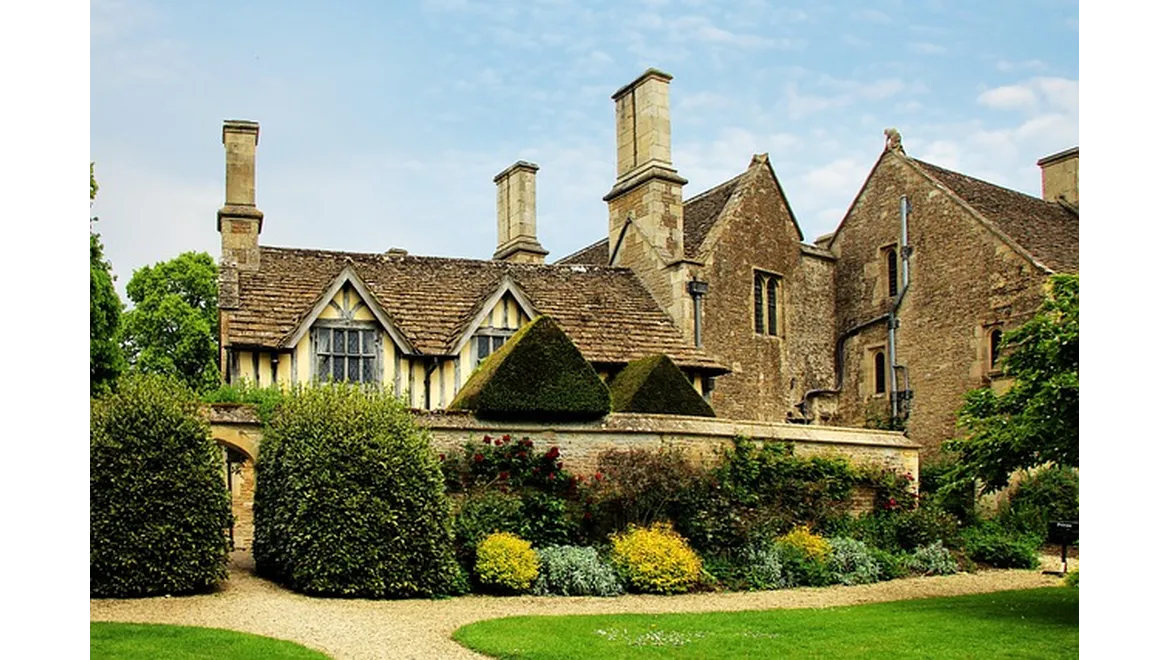
It all started with stately homes, didn’t it? Brandon pointed out that before the Victorian era, gardens were primarily status symbols. Think geometrically precise layouts, immaculate lawns rolling off into the distance, and the occasional, strategically placed folly. We’re talking about landscapes designed to impress, rather than necessarily be enjoyed in the way we think of a modern garden. Capability Brown was a name that cropped up quite a bit – his ‘naturalistic’ style, while beautiful, was still largely about sculpting vast estates to reflect wealth and power. Essentially, creating idealised views from the house, rather than intimate spaces.
But then things started to shift. The Victorian era brought a real democratization of gardening. Brandon explained how the rise of the middle class, coupled with advances in plant propagation and global exploration, made gardening accessible and exciting for more people. The glasshouse became a must-have – even a small one – allowing people to cultivate exotic species brought back from far-flung corners of the Empire. Suddenly, it wasn’t just about immaculate lawns and symmetrical flowerbeds.
We talked about the impact of figures like Gertrude Jekyll. Her influence is huge, isn’t it? Her approach, with its emphasis on colour harmony, cottage-style informality, and the use of native plants, really paved the way for the modern garden. She brought an artist’s eye to planting design, creating borders that flowed with texture and vibrant hues. It’s no accident that so many of our favourite planting combinations today echo her principles.
Brandon mentioned that even the humblest suburban garden started to reflect these broader trends. People began experimenting with mixed borders, incorporating fruit trees, vegetable patches, and ornamental plants. It was a move away from the rigidly segregated spaces of earlier times.
Of course, the history isn’t just about grand designs. Brandon also highlighted the importance of the working-class garden. Allotments and small back gardens provided vital food security and a connection to nature in urban environments. These spaces, often packed with edibles and practical features, were just as influential in shaping the UK’s gardening culture.
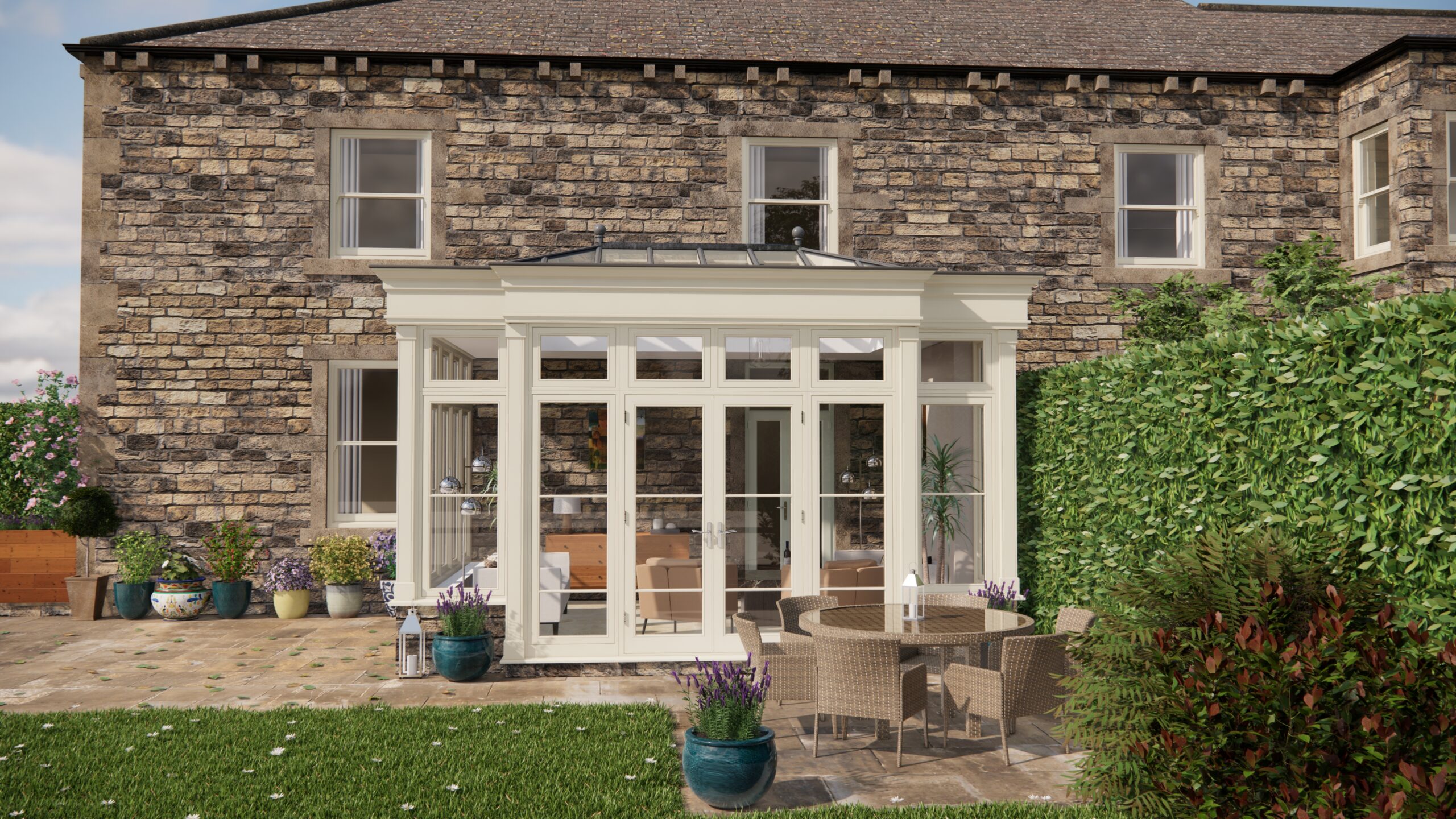
We also touched upon orangeries. We talked of them being a game-changer. Imagine having a dedicated space to nurture tender plants through the winter, a sun-drenched haven where you could enjoy the scent of citrus blossoms even in the depths of January! Brandon was saying how orangeries added a touch of luxury and sophistication but they also allowed serious gardeners to expand their plant collections and experiment with more exotic species.
Chatting with Brandon really highlighted how much our gardens reflect the social, economic, and cultural shifts of the past. From the grand landscapes of the aristocracy to the humble allotments of the working class, each era has left its mark on the UK’s gardening landscape. Understanding this history helps us appreciate the evolution of our own gardens and perhaps even inspire us to incorporate elements from different periods into our designs. It’s not just about copying a specific style, but about understanding the principles behind it and adapting them to our own needs and preferences. It’s about adding a touch of history, of character, and of connection to something bigger than ourselves. Understanding where we have come from, in terms of our gardening styles in the UK, is vital to deciding where we want to go.