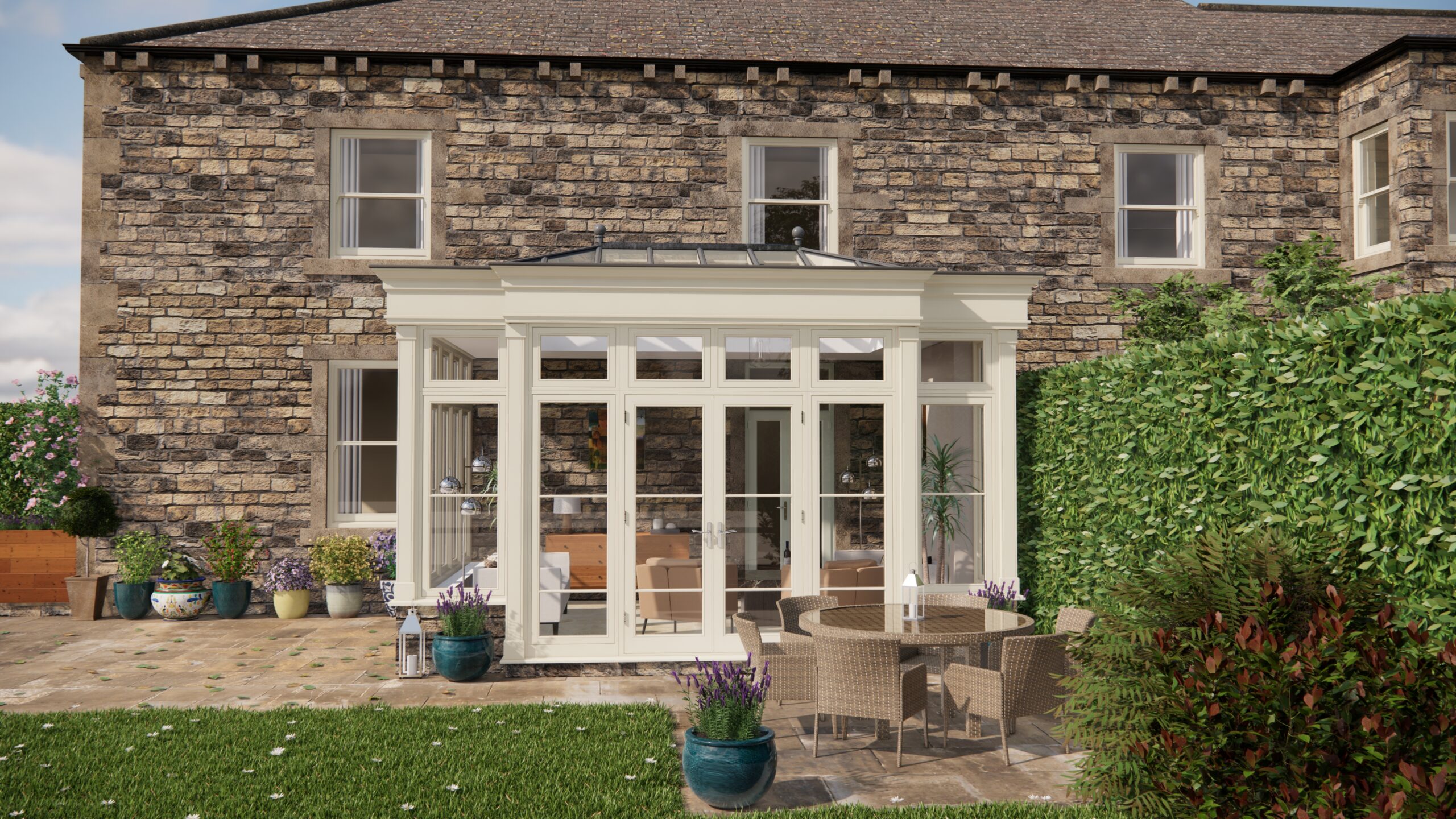

Right, let’s talk orangeries and outbuildings – specifically, how to make them feel like they’ve always been there, even when they’re brand new. I was just chewing the fat with Skye the other day about this very topic; she’s grappling with an orangery extension on her lovely Victorian home. The big challenge? Making it look like it belongs, inside and out.
Matching Materials: A Seamless Transition
First up, Skye was concerned about materials. It’s a valid point. Clashing materials scream “afterthought,” not “harmonious addition.” My advice? Scour reclamation yards. Seriously. Find bricks that are a near-perfect match for the original house. Failing that, consider having new bricks “aged” – there are specialist companies that can replicate the weathering process. For Skye, this meant finding a local brick supplier who could blend new bricks to match the existing yellow stock. The same goes for roofing tiles. Don’t settle for “close enough.” Dig until you find a good match. Even small details like the mortar colour matter. Using a lime mortar can also help because it is more breatheable and also more common on older buildings.
Architectural Harmony: Blending Old & New
Next, we discussed the overall architectural style. Skye’s biggest worry was that a modern, glass-heavy orangery would jar against the more solid Victorian facade. My suggestion? Think carefully about the lines and proportions. Look at existing features on your house – the window shapes, the roof pitch, the detailing around doors and windows. Try to echo these elements in the new structure. For example, Skye is considering incorporating arched windows in the orangery that mirror the arches above her front door. It’s about subtle nods, not direct copies.
Heating Without the Eyesore: Discreet Comfort
Then came the tricky subject of heating. A glazed orangery can be a real challenge to heat efficiently, especially in the UK climate. And Skye was adamant: no ugly radiators spoiling the view. We explored a few options.
- Underfloor Heating: This is a fantastic solution for discreet comfort. It provides even heat distribution, keeps the walls clear, and works well with tiled or stone floors (ideal for an orangery!). The initial cost is higher, but the long-term efficiency can be worth it. Skye’s looking at a wet underfloor system connected to her existing boiler. You will need to ensure you have the room height for this, though!
- Period-Style Radiators: If underfloor heating isn’t feasible, consider radiators that complement the style of your home. There are some beautiful cast-iron radiators available, or you can even find column radiators painted in heritage colours. Position them carefully, perhaps under windowsills, to minimise their visual impact.
- Air Source Heat Pumps: A more sustainable option, although they can be more costly to install. They are also not always the most discreet! A good installer will be able to advise on the best location.
Staying Warm and Dry: Insulation & Damp-Proofing
Crucially, whatever heating system you choose, prioritize insulation. Double or triple-glazed windows are essential. Consider insulated glass panels or thermally broken frames to minimise heat loss. Insulate the roof well, and pay attention to the walls – even if they’re mostly glass, ensure the supporting structure is properly insulated. And don’t forget damp-proofing! A damp-proof course is vital to prevent rising damp, and good ventilation is key to prevent condensation.
Navigating the Red Tape: Planning & Regulations
Finally, a word on planning permission and building regulations. Always check with your local council before starting any work, particularly if you live in a listed building. Planning rules can be complex, and you’ll want to ensure you comply with all the necessary regulations regarding things like height restrictions, permitted development rights, and conservation area guidelines. Building regulations cover aspects like structural safety, fire safety, and energy efficiency. Don’t skip this step – it could save you a lot of headaches down the line.
So, how do you make a new orangery or outbuilding feel like a natural extension of your period property? It’s all about careful planning, attention to detail, and a commitment to matching the existing character of your home. Focus on materials, architectural style, discreet heating, and proper insulation, and always, always check those planning and building regulations. It’s not a quick process, but the result – a beautiful, harmonious addition to your home – is well worth the effort.