
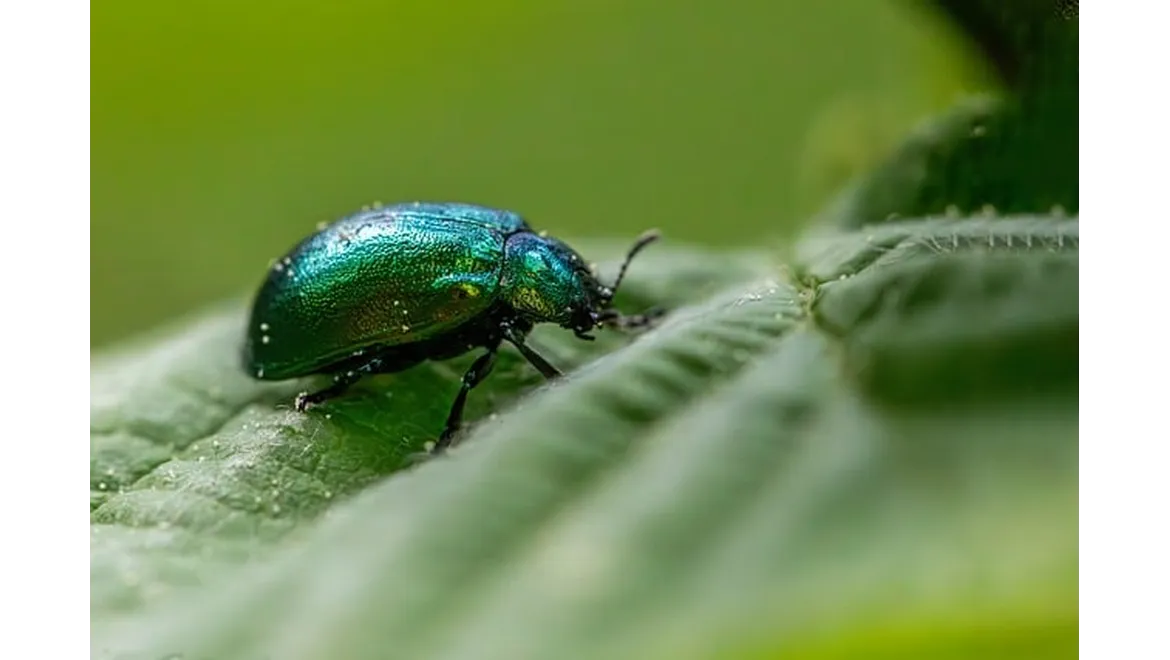
Right, let’s talk gardening. Specifically, let’s talk about how I transformed my little patch of England into a thriving haven for wildlife, and in doing so, practically eradicated my pest problems. For years, I battled aphids, slugs, and everything in between with shop-bought sprays. It was a constant struggle, and frankly, felt a bit…wrong. Then I stumbled upon the idea of attracting beneficial insects and birds. Honestly, it changed everything.
Attracting the Good Guys:
My first step was to ditch the pesticides completely. This meant accepting a few nibbled leaves here and there, but trust me, the payoff is worth it. The goal is to create an ecosystem where the good insects outnumber the bad. How? With the right plants, of course!
- Pollinator-Friendly Flowers: Forget fussy hybrids. Think cottage garden classics. Lavender, borage, echinacea, and wildflowers are all absolute magnets for bees, hoverflies (whose larvae feast on aphids), and butterflies. Plant in large drifts for maximum impact and a visual feast. I specifically added several Buddleja davidii bushes which are a butterfly magnet.
- Umbellifers: These are plants with flower heads that look like umbrellas – think dill, fennel, carrots gone to seed, and cow parsley. These are amazing for attracting ladybirds (another aphid predator) and lacewings. I let a few of my carrots bolt each year just for this reason.
- Herbs: Many herbs, like rosemary, thyme, and mint, not only add flavour to your cooking but also attract beneficial insects. Plus, they smell divine!
Water, Water Everywhere:
Insects and birds need water just like we do. A bird bath is a classic choice, but I’ve also added a shallow dish filled with pebbles to my insect garden. This gives insects a safe place to land and drink without drowning. Remember to clean your water sources regularly to prevent algae build-up and mosquito breeding. I change the water every other day and give the bird bath a good scrub weekly.
Creating Shelter:
Wildlife needs places to hide from predators and the elements. Dense shrubs, hedges, and even a pile of logs provide valuable shelter. I’ve got a thriving honeysuckle hedge that’s become a haven for nesting birds. Leaving seed heads on plants over winter also provides food and shelter for insects. Don’t be too tidy!
I also built a simple bug hotel. It’s basically a wooden frame filled with different materials like bamboo canes, pine cones, and straw. It’s amazing how quickly it gets occupied!
Dealing with Specific Pests:
Even with a wildlife-friendly garden, you might still encounter pest problems from time to time. Here’s how I deal with them naturally:
- Slugs: Copper tape around vulnerable plants, beer traps (a shallow dish filled with beer – slugs love it!), and hand-picking them at night are all effective. I also encourage hedgehogs into my garden – they’re voracious slug eaters!
- Aphids: A strong blast of water from the hose can dislodge aphids. Insecticidal soap is also an option, but use it sparingly and only on affected plants. Remember, you want to avoid harming beneficial insects.
- Plant Diseases: Prevention is key. Ensure good air circulation around plants, water at the base of the plant rather than overhead, and remove any diseased foliage immediately. Composting your own garden waste also helps improve soil health and disease resistance. I always add coffee grounds to the compost to ensure it is rich.
The Orangery Advantage:
My orangery plays a crucial role in all of this. It’s a controlled environment where I can start seedlings early, protecting them from pests and diseases. It also allows me to overwinter tender plants that might not survive outdoors. Plus, it’s just a lovely place to relax and enjoy the garden, even when the weather isn’t cooperating.
Soil Health is Key:
Don’t forget about the soil! Healthy soil leads to healthy plants, which are naturally more resistant to pests and diseases. Amend your soil with compost and well-rotted manure regularly. Avoid using chemical fertilisers, as they can disrupt the natural balance of the soil ecosystem. A soil test can help you determine any nutrient deficiencies.
So, it all comes back to creating a balanced ecosystem. By attracting beneficial insects and birds, providing water and shelter, and maintaining healthy soil, you can naturally control pests and create a thriving, beautiful garden. It takes time and a bit of patience, but it’s so worth it. Honestly, seeing the garden buzzing with life is incredibly rewarding, and knowing that I’m doing my bit for the environment makes it even better. Give it a go – you won’t regret it!