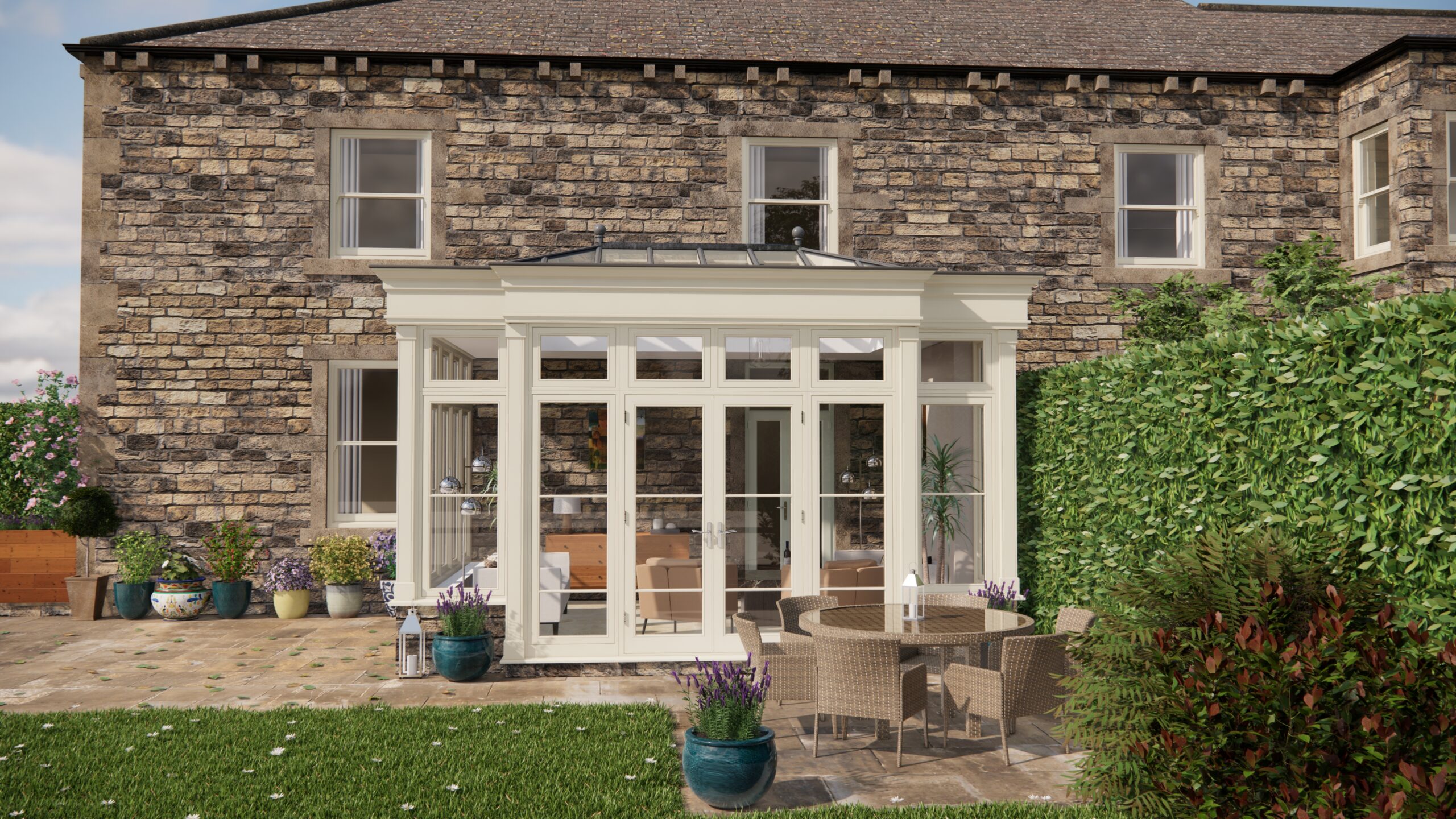

Right, let’s be honest, who hasn’t dreamt of adding a gorgeous orangery or outbuilding to their property? Imagine soaking up the sun, sipping a cuppa, all while surrounded by your favourite plants… bliss! But before you dive headfirst into that botanical paradise, there’s a crucial (and sometimes daunting) aspect to consider: the budget. And a major chunk of that budget often revolves around planning permission. So, I sat down with Luke, a seasoned pro in the construction game, to get the lowdown on navigating these financial hurdles.
“Hey Luke, thanks for chatting! First things first, planning permission – where do people often go wrong with budgeting?” I asked, settling into my chair.
Luke chuckled. “The biggest mistake? Underestimating the ‘hidden’ costs. Everyone thinks of the application fee, but that’s just the tip of the iceberg.”
Application Fees: The Starting Point
Let’s start with the obvious: the planning application fee itself. These are set nationally, and you can find the current rates on the Planning Portal website. It’s a fixed cost, but it’s vital to factor it in right from the start. For an orangery or outbuilding, expect to pay a few hundred pounds for a full application. This will change if the development is subject to prior approval, where the fees will be much less.
Beyond the Fee: The Real Expenses
“So, what are these hidden costs?” I prompted.
“Surveys are a big one,” Luke explained. “You might need a structural survey, especially if your orangery connects to the main house. That could be a few hundred pounds, potentially even closer to a thousand if the situation is complex. Environmental surveys are less common for smaller projects, but if you’re near a protected area or suspect any contamination, you’ll definitely need one. This can cost thousands. And don’t forget soil testing to ensure a solid foundation!”
He’s right. Soil testing is often overlooked, but it’s crucial. If the ground is unstable, you’ll need to factor in groundworks, which can significantly increase your budget. Expect to pay around £500-£1000 for the survey, and then potentially thousands more for any remedial work.
Design Tweaks & The Ripple Effect
“Another cost that people miss is design alterations,” Luke continued. “The planning officer might ask you to change the design to be more in keeping with the local area or to reduce its impact on neighbours. These changes can involve redesigning the structure, using different materials, or even moving the location. This all adds time, and more importantly, cost. And this is where hiring an architect or experienced designer really pays off!”
Good point! Getting it right before submitting the application can save you a small fortune in revisions. A good architect will be familiar with local planning policies and can design something that’s more likely to be approved first time around. This might initially add to the cost, but in the long run, can save you a lot of money on revisions.
Appeals: The Last Resort (and Costly!)
“And what if your application gets rejected?” I asked, dreading the answer.
“Appeals are an option, but they can be expensive and time-consuming,” Luke warned. “You’ll need to pay for professional representation, and there’s no guarantee of success. It’s usually better to work with the planning officer to address their concerns and resubmit a revised application.”
He’s right. Appeals should be a last resort. They can drag on for months, and the costs can quickly spiral out of control.
Orangeries and Outbuildings: The Material Matters
Let’s not forget the actual construction. The materials you choose for your orangery or outbuilding will have a significant impact on the overall cost. Consider the existing property. The idea should be to match it where appropriate, consider brickwork, and window frames and door profiles. Listed buildings are a challenge as new materials will have to be approved by the local Conservation Officer. And then there is heating and ventilation, insulation and damp proofing to consider.
Budgeting Strategies: Luke’s Top Tips
“Okay, so how can people avoid these pitfalls and create a realistic budget?” I asked.
Luke offered some golden advice: “Firstly, research your local planning policies thoroughly. Understand what’s likely to be approved and what’s not. Secondly, get quotes from multiple architects, designers, and builders. Compare their prices and experience. Thirdly, add a contingency fund to your budget. Aim for at least 10% to cover unexpected costs. Finally, don’t be afraid to negotiate with the planning officer. They’re there to help!”
Luke’s final bit of advice was to have a frank conversation with your builder or orangery construction company to get a realistic schedule of rates for all of the work. Then, once planning is agreed, stick to your guns and keep a record of all expenditure so the costs do not spiral.