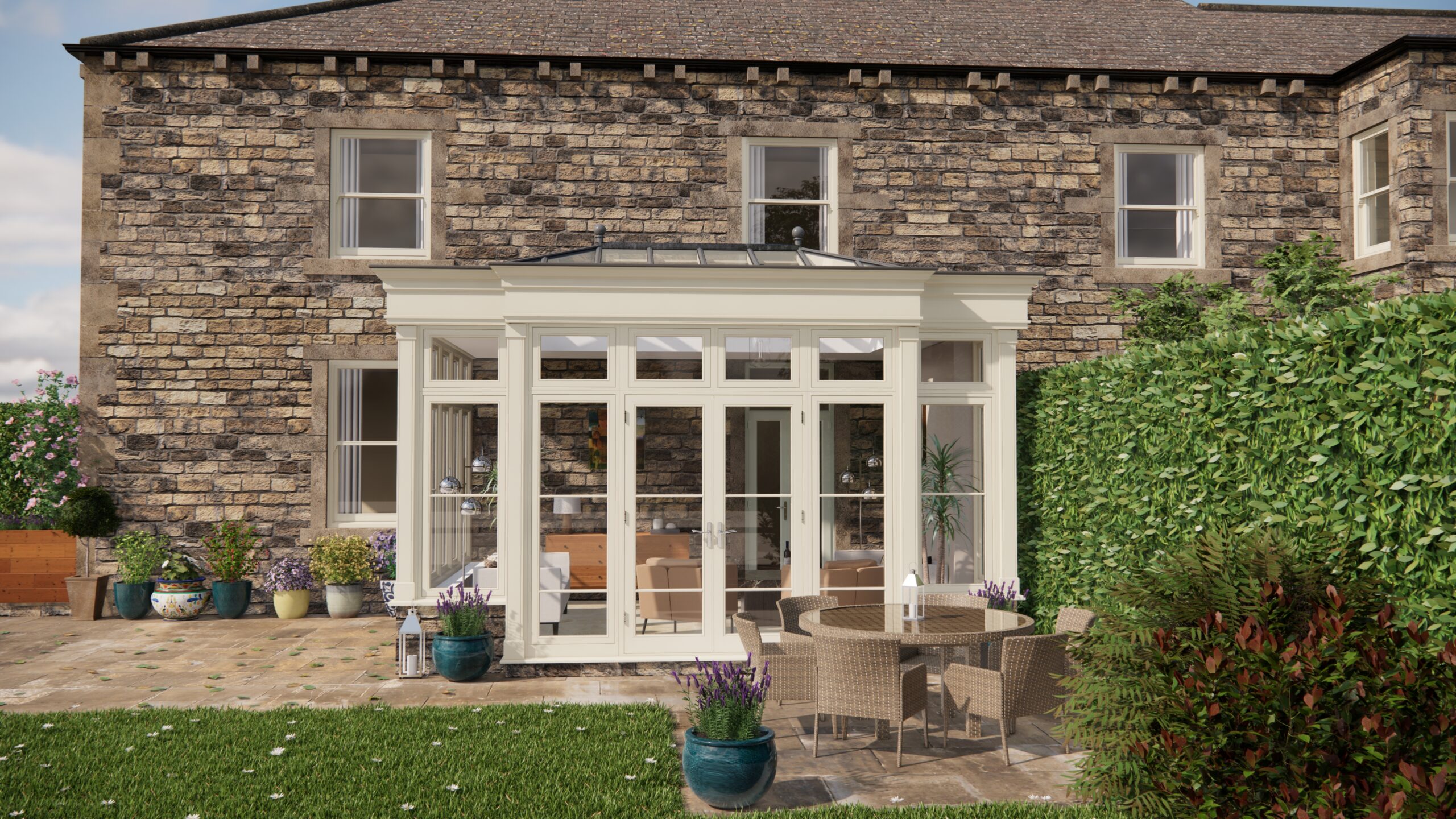

Right, let’s talk orangeries. Beautiful things, aren’t they? But before you’re sipping your Earl Grey amongst the citrus trees, there’s a whole world of structural engineering to consider, especially when it comes to those all-important foundations. I recently had a cracking chat with Dominic, a structural engineer specialising in… you guessed it, orangeries and outbuildings. And boy, did I learn a thing or two!
“So, Dom,” I started, settling into my (virtual) armchair. “Foundations, right? Not exactly the most glamorous part of building an orangery, but arguably the most crucial?”
Dominic chuckled. “Absolutely! Think of it as the unsung hero. You can have the most stunning design, the finest materials, but if the foundations aren’t up to scratch, you’re setting yourself up for a world of pain – cracks, settlement, even collapse. No one wants that!”
He explained that the first step, and it’s a non-negotiable, is a thorough site investigation. This isn’t just a quick poke around with a shovel. We’re talking about understanding the soil conditions – is it clay, sand, chalk, or something else entirely? What’s the water table like? Are there any potential issues like tree roots nearby that could cause problems down the line?
“Knowing your soil is key,” Dominic emphasised. “Clay soil, for example, is notorious for expanding and contracting with moisture changes, which can exert enormous pressure on foundations. Sandy soil, on the other hand, is generally more stable, but can be prone to erosion.”
Once you’ve got a handle on your soil, the next step is choosing the right type of foundation. For a relatively small orangery on stable ground, a traditional strip foundation might suffice. This involves digging trenches around the perimeter of the proposed structure and filling them with concrete. The depth and width of the trenches will depend on the soil conditions and the size and weight of the orangery.
But what if you’re dealing with less-than-ideal ground conditions, like clay soil or a high water table? That’s where things get a bit more interesting. Dominic explained that options like piled foundations or raft foundations might be necessary. Piled foundations involve driving long, slender columns (piles) deep into the ground to transfer the weight of the structure to a more stable layer of soil. Raft foundations, on the other hand, are essentially large, reinforced concrete slabs that spread the load over a wider area. They are really good on sites with unpredictable ground conditions.
“Another thing to consider, especially in colder climates,” Dominic added, “is frost heave. This is where the ground freezes and expands, potentially lifting the foundations and causing damage. Proper insulation and drainage around the foundations can help to mitigate this risk. In areas with a high frost risk, an insulated raft foundation might be the best solution.”
We then moved on to the thorny issue of heating systems and their impact on the ground. Apparently, a poorly designed heating system, particularly underfloor heating, can actually dry out the soil beneath the orangery, leading to shrinkage and settlement. It’s crucial to ensure that the heating system is properly insulated and controlled to prevent excessive heat loss into the ground.
And of course, no discussion about building in the UK would be complete without mentioning planning permission and building regulations. Dominic stressed the importance of checking with the local council before starting any work, especially if the property is a listed building. “Listed buildings have strict rules about alterations and extensions, so it’s essential to get expert advice early on,” he advised.
Building regulations also cover things like structural stability, fire safety, and drainage, so it’s crucial to ensure that your orangery complies with all the relevant requirements. A qualified structural engineer can help you navigate these regulations and ensure that your orangery is built to a safe and durable standard.
So, there you have it. Ensuring your orangery stands the test of time, the key takeaway points are clear. Start with a thorough site investigation to understand your soil conditions. Choose the right type of foundation based on the soil and the size of your orangery. Consider frost heave in colder climates and ensure proper insulation and drainage. Pay attention to your heating system to prevent soil shrinkage. And finally, don’t forget planning permission and building regulations. Do your homework, engage the right professionals, and you’ll be enjoying that Earl Grey in your beautiful, structurally sound orangery for years to come!