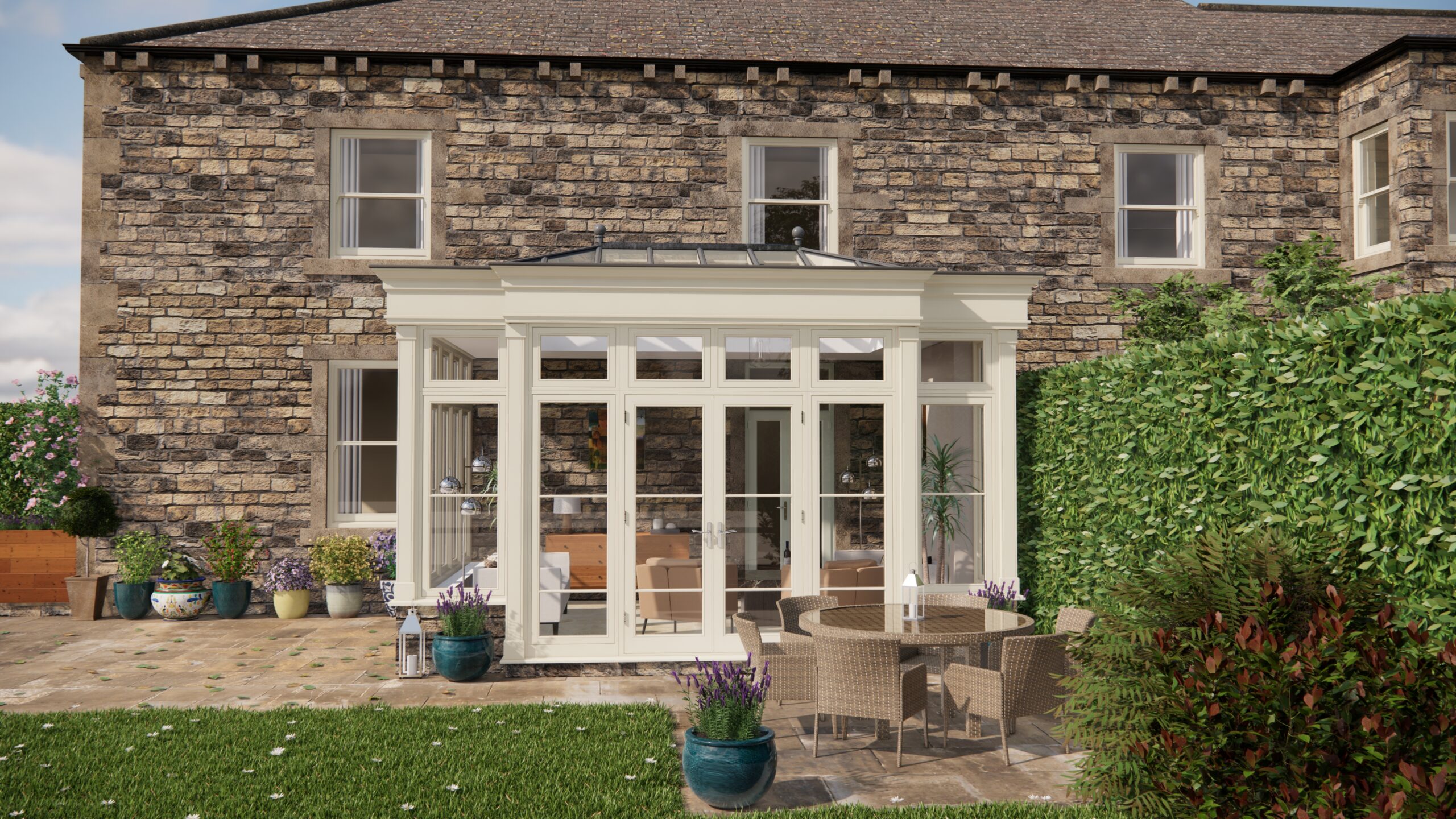

So, I was chatting with Kai the other day, and he’s just gone through the planning permission process for a gorgeous orangery. It got me thinking – it’s such a common stumbling block for homeowners, especially in the UK where planning regulations are… well, let’s just say ‘detailed’. We got talking specifically about those crucial conversations with neighbours. You know, the ones that can make or break your orangery dreams.
“The Neighbours Know Best?” sounds a bit much, but honestly, Kai’s experience hammered home how vital neighbourly engagement can be. He told me, “Look, upfront communication is key. Don’t ambush them with the build!” Makes total sense, right? Imagine finding out about a huge project next door from the planning notice slapped on a lamppost. Not exactly building bridges (pun intended!).
Why Bother Talking? Planning Gold!
Kai explained that involving his neighbours early dramatically increased his chances of getting planning permission. How? Firstly, it flagged potential objections early on. He knew Mrs. Henderson was worried about losing sunlight to her prized roses. By tweaking the orangery’s design – making it slightly shorter and opting for a glass roof to maximise light – he addressed her concerns before she even had a chance to officially object. This is gold dust! A formal objection slows everything down and can even scupper your project. Showing you’re willing to compromise demonstrates to the planning officer that you’re being considerate and responsible.
Secondly, happy neighbours are less likely to complain about construction noise, dust, and disruption later down the line. A little goodwill goes a long way. He brought round biscuits too!
Effective Communication: My Tips (and Kai’s!)
So, how do you actually start these conversations? Here’s what Kai and I pieced together:
- Early Birds Catch the Worm: Chat to your neighbours informally as soon as you’re seriously considering an orangery. A casual “We’re thinking of adding a little extension to the back of the house…” can open the door.
- Show, Don’t Just Tell: Don’t just describe your plans; show them. Kai used sketches and even a rough 3D model to help his neighbours visualise the project. If you have detailed plans, offer to share them. Make sure you get these initial plans and sketches prepared by a qualified person. If you are in a listed building or a property in a conservation area, it is even more vital that you follow this route.
- Listen Actively: Don’t just wait for your turn to speak. Actually listen to their concerns. Ask questions, clarify their points, and show that you understand their perspective. This is absolutely critical to reaching a compromise.
- Be Transparent: Be honest about the project’s timeline, potential disruptions, and how you plan to minimise them. Promises kept build trust.
- Consider a Formal Meeting: For larger projects, or if there are multiple neighbours, consider inviting them to a formal meeting. This shows you’re taking their concerns seriously and provides a structured forum for discussion.
Navigating Conflict:
Of course, not every neighbourly conversation will be sunshine and roses. What if someone is strongly opposed to your orangery? Kai had a little hiccup with Mr. Davies, who was worried about the orangery affecting his property value.
Here are some tips for conflict resolution:
- Stay Calm: Don’t get defensive or argumentative. Keep your tone polite and respectful, even if the other person is being difficult.
- Find Common Ground: Look for areas where you can agree. Perhaps you can both agree on the importance of maintaining the character of the neighbourhood.
- Compromise: Be willing to make concessions. Can you adjust the design, reduce the size, or alter the materials to address their concerns?
- Mediation: If you can’t resolve the issue yourself, consider involving a neutral third party. A local mediator can help facilitate a constructive conversation.
- Document Everything: Keep a record of all communication with your neighbours, including dates, times, and what was discussed. This can be helpful if the dispute escalates.
UK Planning Rules and Regulations
Beyond neighbourly chats, understanding the UK planning regulations for orangeries is crucial. Permitted Development rights often allow you to build without full planning permission, but there are strict limits on size, height, and location. Listed buildings and properties in conservation areas have even tighter restrictions. Also, building regulations will likely apply to your Orangery in regards to ensuring a structure is safe and dampproofed, consider issues of materials, matching the existing property, heating and ensuring the structure is secure and dampproofed. Don’t assume anything; always check with your local planning authority.
So, there you have it: a comprehensive guide to navigating the planning permission process for your orangery, with a special focus on the often-overlooked but vital step of engaging with your neighbours. By taking the time to listen to their concerns, address their objections, and build positive relationships, you’ll significantly increase your chances of creating the orangery of your dreams – and keeping everyone happy in the process.