
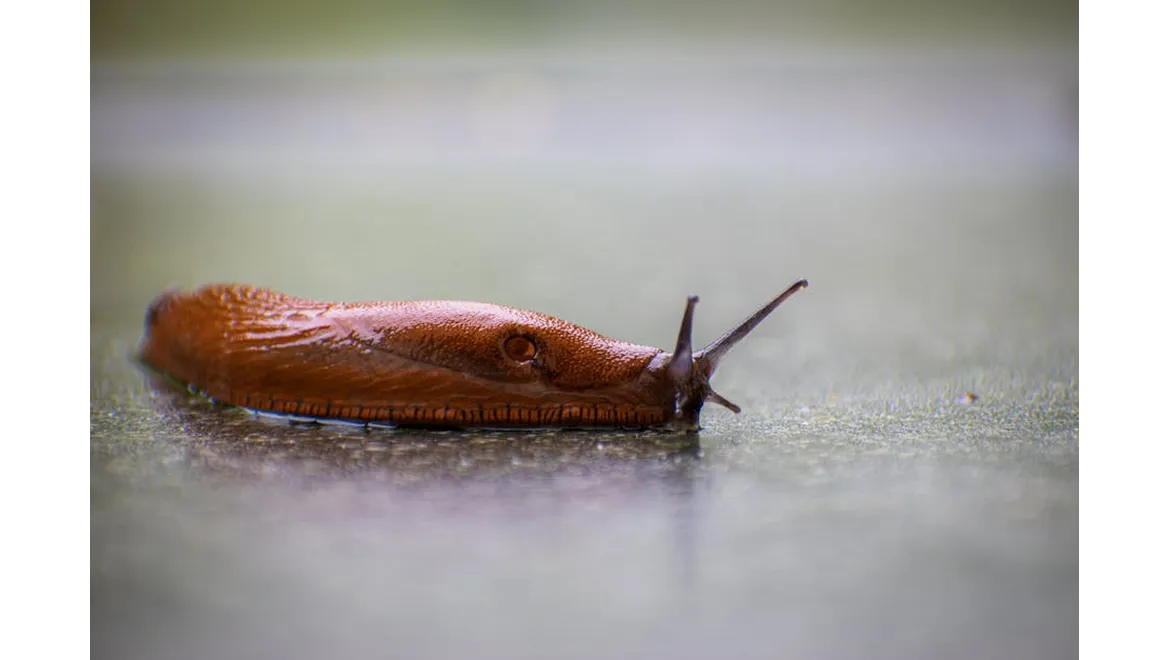
Right, let’s talk slugs. Anyone who’s spent more than five minutes pottering about in a UK garden knows these slimy critters are Public Enemy Number One. I was just having a cuppa with my friend Isabel the other day, and the topic, inevitably, turned to the ongoing battle for our beloved plants. Isabel’s a real pro, and she’s got a thing about doing things ethically, so our chat focused on humane pest control. She’s given me some great insights into dealing with them without resorting to harmful chemicals.
“You know, it’s all about prevention,” Isabel started, swirling the milk in her tea. “Rather than reaching straight for the slug pellets, which, let’s face it, aren’t great for the hedgehogs and birds, let’s think about creating a garden they simply don’t fancy.”
Her first tip was all about natural barriers. “Copper tape is your best friend,” she declared. “Wrap it around your pots or raised beds. Slugs and snails really don’t like crossing it because of a small electric shock. I’ve also had success with crushed eggshells. Scatter them liberally around vulnerable plants – the sharp edges deter them.” I’ve had some success with this and the best part is, you get to use what is essentially waste from cooking – so great from a recycling point of view.
We then got into the specifics of vulnerable plants. “Hostas are practically slug buffets!” Isabel exclaimed, chuckling. “Lettuce, basil, delphiniums – they all seem to attract them. If you’re growing these, they definitely need extra protection. I now grow Hostas in pots with copper tape around the rims – this seems to be working so far!”
So what are the less attractive options for the slugs and snails?
Isabel suggested opting for plants that slugs and snails generally avoid. “Think lavender, rosemary, foxgloves, ferns, and most herbs like thyme and sage. These are generally less appealing to them. Planting these among your more susceptible plants can help to deter the slugs from destroying those as well.”
“And remember,” she added, “a healthy garden is a resilient garden. Focus on improving your soil health. Healthy plants are better able to withstand pest damage. Add plenty of compost and well-rotted manure to your beds. This will provide essential nutrients and improve drainage.”
We also discussed safe removal techniques. “Going out at night with a torch and collecting them by hand is actually quite effective, if you’re willing to do it, ” she explained. “Drop them into a bucket of salty water. It’s not pleasant, but it’s a humane way to deal with them. The bucket ensures they don’t just find their way back to your garden!”
Isabel is very passionate about encouraging wildlife into the garden as a natural form of slug control. She makes a point of having a pond and a log pile. “Attracting hedgehogs, frogs, and birds is a fantastic way to keep the slug population in check,” she advised. “Provide them with food and shelter, and they’ll naturally help control the pests.”
Another point she mentioned was beer traps. “Bury a container, like a yoghurt pot, in the soil so the rim is level with the ground. Fill it with beer – slugs are attracted to it and will crawl in and drown. It sounds grim, but it’s effective and doesn’t harm other wildlife, as long as you make sure pets and other animals can’t access it. Ensure that it is partially covered so rain water does not fill the container, thus diluting the beer and rendering it useless. ”
So, to recap Isabel’s advice. Firstly, use physical barriers like copper tape and crushed eggshells to protect vulnerable plants, particularly hostas, lettuce, and basil. Secondly, choose less appealing plants such as lavender, rosemary, and foxgloves to naturally deter slugs. Thirdly, improve soil health with compost and manure for stronger, more resilient plants. Finally, attract natural predators like hedgehogs and birds, and consider humane removal methods like hand-picking or beer traps. Implementing these methods will create a balanced garden ecosystem where slug populations are managed without harming the environment or beneficial wildlife. Good luck!