
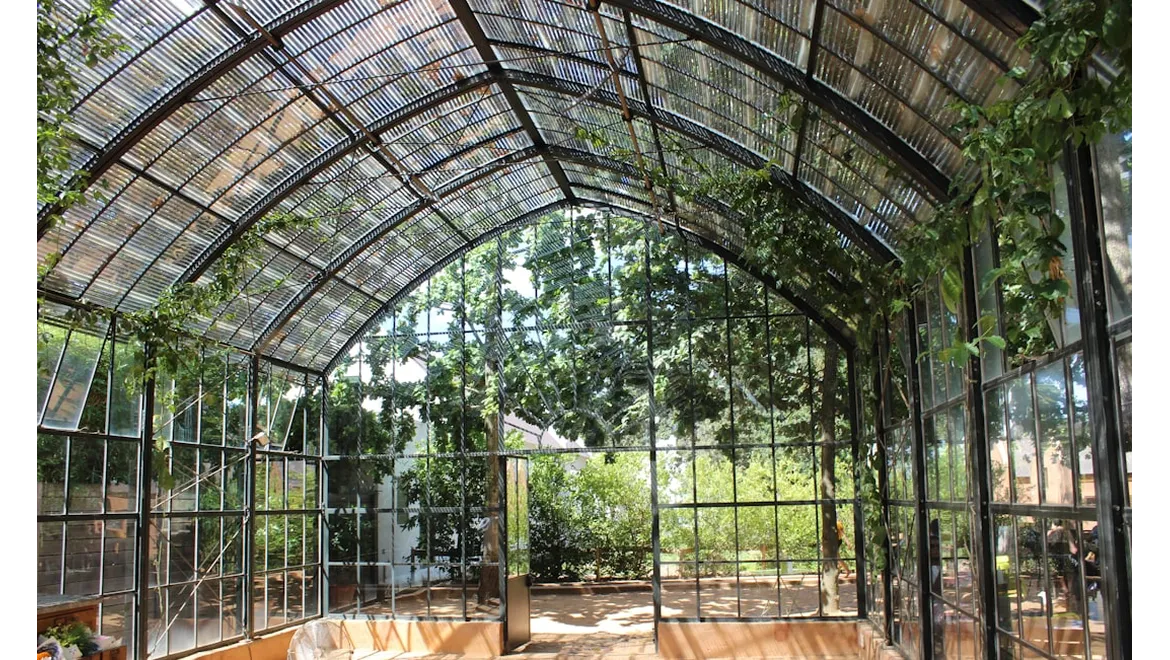
Right, let’s talk orangeries! As you know, here at ‘Gardens Great and Small’, we’re always looking for ways to help UK gardeners get the most out of their plots, whatever the weather. And what better way to cheat the unpredictable British climate than with a gorgeous orangery? I recently had a chat with Rachel, a passionate gardener who’s transformed her outdoor space with just such a structure, and I’m bursting to share her insights.
“So, Rachel,” I began, settling into her sun-drenched orangery, “tell me, what made you decide on an orangery rather than a traditional greenhouse?”
“Well,” she replied, gesturing around at the thriving citrus trees and colourful bougainvillea, “I wanted something more than just a space to grow plants. I wanted an extension of my home, a seamless transition between indoors and out. A greenhouse felt too…functional. An orangery felt like a beautiful addition to the garden and the house.”
And she’s right. Looking around, it’s clear this is more than just a growing space. Comfortable seating nestles amongst the plants, creating a tranquil retreat. The light streams in, highlighting the architectural details of the building itself.
Extending the Growing Season: A UK Gardener’s Secret Weapon
One of the biggest benefits, Rachel explained, is the extended growing season. “I can start seeds much earlier in the spring, and keep tender plants going well into autumn. Things like chillies and tomatoes that would struggle outside are thriving in here.”
For us in the UK, that extra bit of warmth and protection can make all the difference. Think of all those gorgeous Mediterranean plants you’ve always admired but thought wouldn’t survive a British winter! An orangery opens up a whole new world of possibilities. Rachel, for example, successfully cultivates several citrus varieties including Meyer lemons and blood oranges. She mentioned that careful selection of the appropriate composts with the correct PH levels are essential. She suggested a soil PH test prior to planting.
Tender Plants and Tropical Delights
Beyond extending the season, an orangery provides a safe haven for those delicate plants that just can’t handle our unpredictable weather. Rachel keeps her bougainvillea and other tender exotics in the orangery over winter, protecting them from frost and wind. She says she would previously have a difficult job moving these plants indoors when the weather turned cold, but the orangery has made her life much easier, without requiring too much additional heating. She mentioned that many plants go dormant through the winter months, so additional heating is not necessarily required unless you are growing more sensitive tropical plants.
Styles and Materials: Finding the Right Fit
Orangeries come in all shapes and sizes, so finding the right one for your garden is key. Rachel opted for a traditional style with brick pillars and large glass panels. “I wanted it to blend seamlessly with the existing architecture of my house,” she explained. Other options include more contemporary designs with aluminium frames and minimalist styling. Materials also vary, from traditional wood to modern aluminium and uPVC. Rachel advises considering the maintenance requirements of each material before making a decision. She also recommends ensuring that it conforms to local planning regulations and you should seek professional help to ensure the structure meets these requirements.
Temperature Control, Ventilation, and Plant Selection: The Key to Success
Maintaining the right environment is crucial for successful orangery gardening. Rachel uses a combination of ventilation and shading to regulate the temperature. “On hot days, I open the roof vents and side windows to let the air circulate,” she said. “I also use shade cloths to protect the plants from scorching.”
Choosing the right plants is also important. “Think about the amount of light and humidity in your orangery,” Rachel advised. “Mediterranean plants like citrus, lavender, and rosemary thrive in the dry heat, while tropical plants need more humidity.”
Rachel keeps an eye on watering, too. She uses a moisture meter to check the soil before watering, and adjusts her watering schedule based on the weather. Another interesting point she made was about choosing plants suitable for growing in pots – many of her flowers and fruit trees are in large containers which means they can be moved around depending on their particular needs and the season.
Overall, building and maintaining an orangery provides many benefits, but ultimately planning and regular maintenance is key to success.
So, there you have it! An orangery is more than just a glass structure; it’s a gateway to year-round gardening enjoyment. It’s a space to nurture tender plants, extend the growing season, and create a beautiful indoor-outdoor haven. And like Rachel says, with a little planning and care, anyone can transform their garden with the allure of the orangery. Remember to plan ahead, select the appropriate materials, and consider the environment inside the orangery so you can pick the correct plants. That way, you’ll find yourself transported to another world!