Popped round to William’s the other day for a cuppa and, as always seems to happen, we got chatting about orangeries. William’s a bit of a traditionalist, loves his period properties, but he’s also got a keen eye for what’s new and exciting in design. We ended up chewing the fat about the future of orangeries and outbuildings, specifically how technology and sustainability are shaping their construction and design here in the UK.
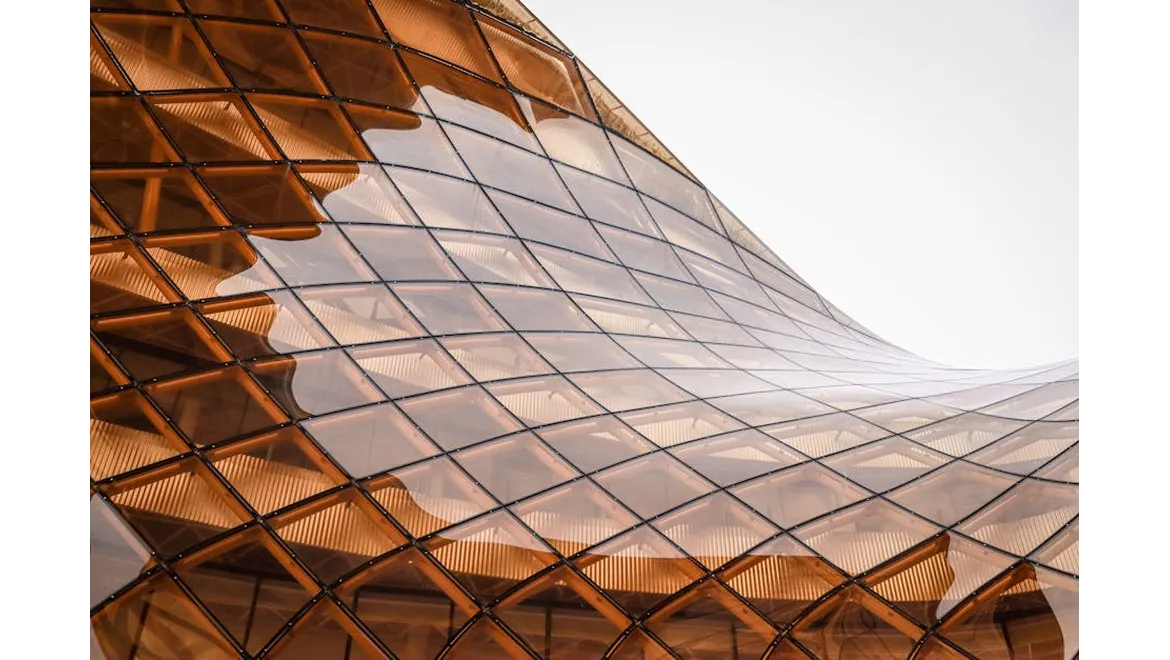
“So, what’s really changing things, Will?” I asked, stirring my tea. He leaned back, thoughtfully. “Well, for starters, the materials we’re using. It’s not just about sandstone and oak anymore, though those still have their place, of course. We’re seeing incredible advancements in glazing technology. High-performance glass that maximises natural light while minimising heat loss is becoming standard. This means orangeries can be more energy-efficient and comfortable year-round.” He paused, taking a sip of his tea. “And the frame materials? Think engineered timber – stronger, more durable, and more sustainable than traditional options. Or even composite materials that mimic the look of wood but require less maintenance.”
I nodded, thinking about the hassle of maintaining traditional timber frames. “Makes sense. But what about the actual design? Are we just slapping modern boxes onto old houses?”
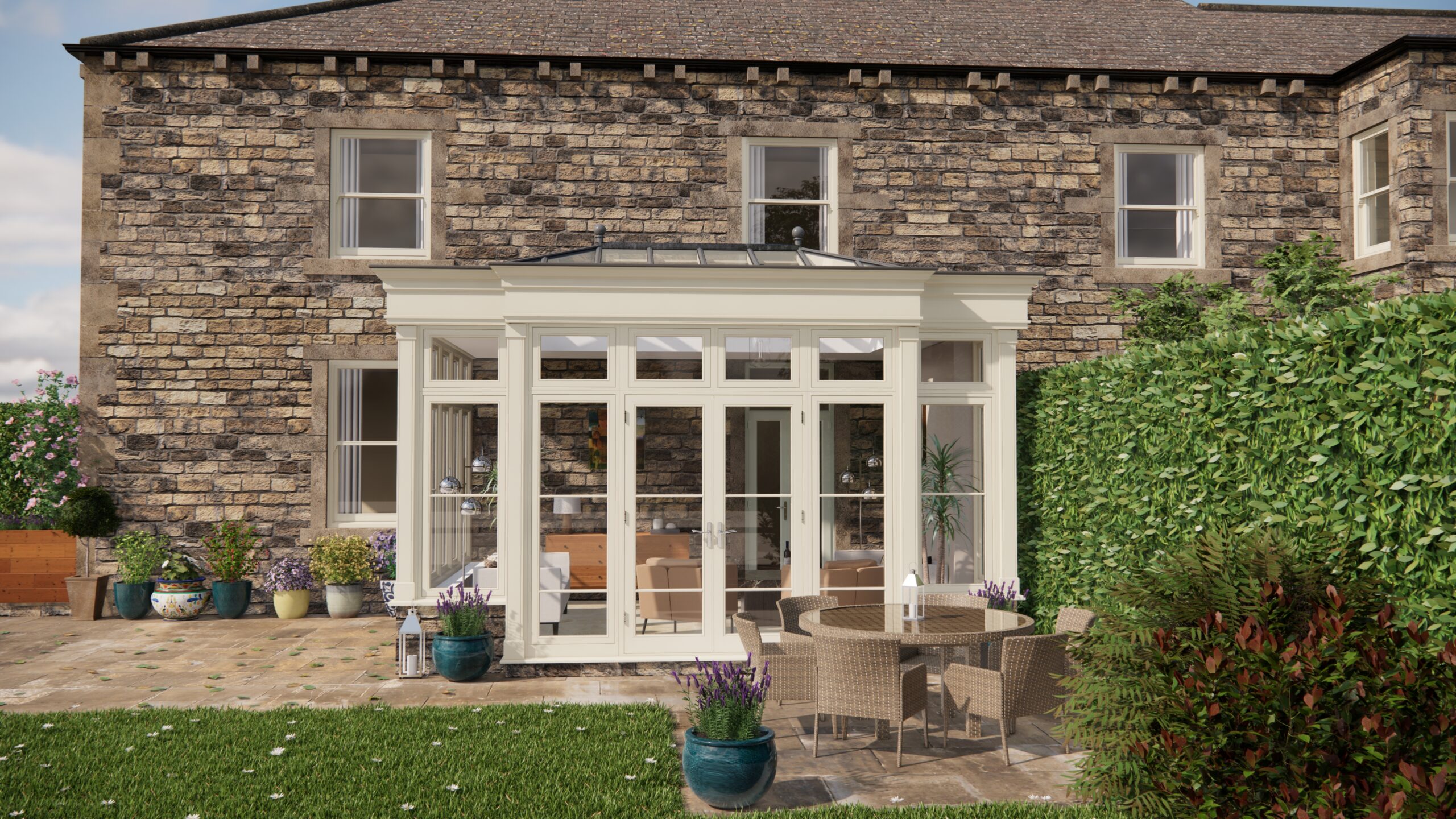
William chuckled. “Absolutely not! The key is integration. We’re seeing designers use 3D modelling software to meticulously plan how the orangery will connect to the existing structure. This allows them to perfectly match rooflines, brickwork, and window styles. It’s not about copying, it’s about complementing. Think subtle nods to the original architecture, like echoing the window proportions or using reclaimed bricks from the same period.”
He pulled out his tablet and showed me some examples. One was a stunning Victorian villa with a modern orangery extension. The brickwork was a near-perfect match, and the roofline flowed seamlessly from the original house. “Notice how they’ve used lead detailing on the windows to tie it all together?” he pointed out. “It’s these little touches that make all the difference.”
“So, it’s all about aesthetics and matching the style?” I asked, wondering about the practicalities.
“That’s only half the story,” William replied. “Technology plays a huge role in heating and ventilation too. Underfloor heating is virtually invisible and provides a consistent, comfortable warmth. Smart home systems allow you to control the temperature, lighting, and ventilation remotely. Imagine adjusting the blinds from your phone on a sunny day!”
He also highlighted the growing importance of sustainable building practices. “We’re seeing a shift towards using responsibly sourced materials, reducing waste during construction, and incorporating renewable energy sources. Solar panels integrated into the roof of the orangery can help offset energy consumption, and rainwater harvesting systems can be used to water the garden.”
“Planning permission must be a nightmare, though?” I suggested, thinking about the complexities of dealing with listed buildings.
William sighed. “It can be, but it’s manageable. The key is to engage with the local planning authority early on and demonstrate that your design is sympathetic to the existing building. For listed buildings, you’ll need to work closely with conservation officers to ensure that any alterations are reversible and don’t harm the historic fabric of the building. And of course, you have to consider Building Regulations regarding structural integrity, fire safety, and energy efficiency, which are always changing.”
We talked for a while longer, discussing the challenges of damp-proofing and security in these structures. He pointed out the importance of using modern damp-proof courses and high-quality insulation to protect against moisture, and the need for robust security systems to deter intruders.
Looking at this, there are significant shifts happening in the world of orangeries and outbuildings, it is clear that technology and sustainability are driving innovation. From advanced glazing and engineered materials to smart home systems and renewable energy sources, the possibilities are endless. However, the key is to integrate these modern elements seamlessly with the original architecture, respecting the character and heritage of the existing property. Careful planning, meticulous attention to detail, and close collaboration with planning authorities and conservation officers are essential to creating orangeries that are not only beautiful and functional but also sustainable and respectful of their surroundings.