
Right, let’s get down to brass tacks. I had a really fascinating chat with my mate Sebastian the other day about transforming his spare room into a proper holistic wellness hub, not just some dusty treadmill graveyard. We were chewing over all these articles I’d been reading – you know, the ones banging on about wellness spaces and making the most of your home for exercise and relaxation – and it got me thinking about how truly adaptable the home gym concept can be.
Sebastian, bless him, was feeling a bit lost amidst all the conflicting advice. He’s no gym bunny, but he wants to get fitter and healthier without the hassle of memberships and crowded classes. So, we broke it down, focusing on creating a home gym that catered to all fitness levels – his very definitely included!
Cardio Considerations:
First, we tackled cardio. Now, Sebastian’s not about to run a marathon, but he needed something to get his heart pumping. We considered a treadmill, but space was tight. Instead, we looked at a decent quality stationary bike – compact, relatively quiet, and can be used while catching up on a series. We also talked about skipping ropes. Seriously! They’re cheap, cheerful, and fantastic for a quick, high-intensity workout. Plus, they fold away to nothing. The key here is not to feel you need to invest in top of the range items if you aren’t using it regularly. Start with lower price point items to see how often you use the equipment and only upgrade if you are really getting the use out of it.
Strength Training Simplified:
Next up: strength. Forget complicated weight machines! For a beginner, bodyweight exercises are king. Think squats, lunges, push-ups (modified on the knees if needed), and planks. Sebastian already had a yoga mat, which is perfect for these. We also discussed resistance bands. These are amazing because they offer progressive resistance, meaning you can increase the difficulty as you get stronger. They’re also incredibly versatile and take up practically no space. Kettlebells are a consideration too, but it’s important to get the technique right to avoid injury, so perhaps a few sessions with a personal trainer to learn the basics would be a good investment here.
Flexibility and the Zen Zone:
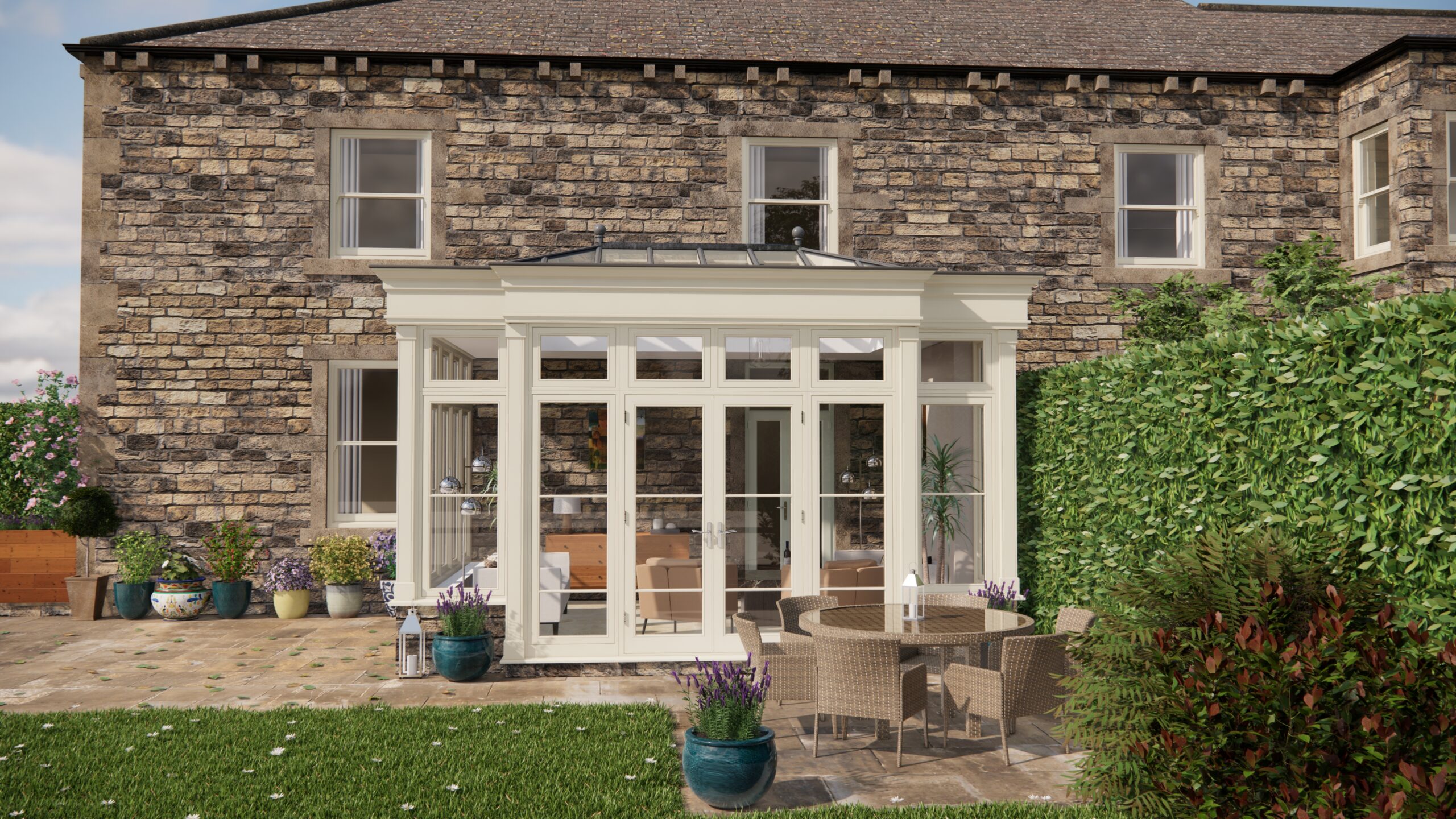
And then there’s flexibility. This is where the “holistic” part really comes in. We talked about creating a dedicated corner for yoga and meditation. A comfortable mat, some cushions, and maybe a small side table for a diffuser are all you really need. Sebastian was particularly keen on the idea of incorporating aromatherapy – lavender for relaxation, peppermint for energy. We even debated whether an orangery-style extension would be a worthwhile investment in the long run, imagining a bright, airy space filled with plants, perfect for mindful movement. The benefit of this is that the increased light from natural sources has shown to improve peoples wellbeing. If an orangery isn’t an option, then large mirrors help give a sense of space and reflect the light which again helps to boost the feeling of wellbeing.
Budget-Friendly Design:
The best bit? All of this can be done on a shoestring. You don’t need to break the bank to create a functional and enjoyable home gym. Start small, focus on the basics, and gradually add equipment as you progress and your budget allows. Think creatively about storage solutions – using wall shelves, under-bed containers, and even repurposing old furniture to keep the space clutter-free.
Making it Personal:
Finally, we emphasised the importance of making the space personal. Hang artwork that inspires you, play music that motivates you, and choose colours that create a calming and uplifting atmosphere. A home gym shouldn’t feel like a chore; it should be a sanctuary where you can focus on both your physical and mental well-being. Make sure your home gym benefits from good ventilation, fresh air is proven to help with wellness and relaxation. If you have windows make sure they can be opened to let fresh air in.
So, to pull all of that together, remember to start small, focus on versatility, and prioritize your own needs and preferences. A well-designed home gym isn’t just about having the right equipment; it’s about creating a space that supports your overall well-being, regardless of your fitness level. It is about your physical and mental health as much as how many weights you can lift!