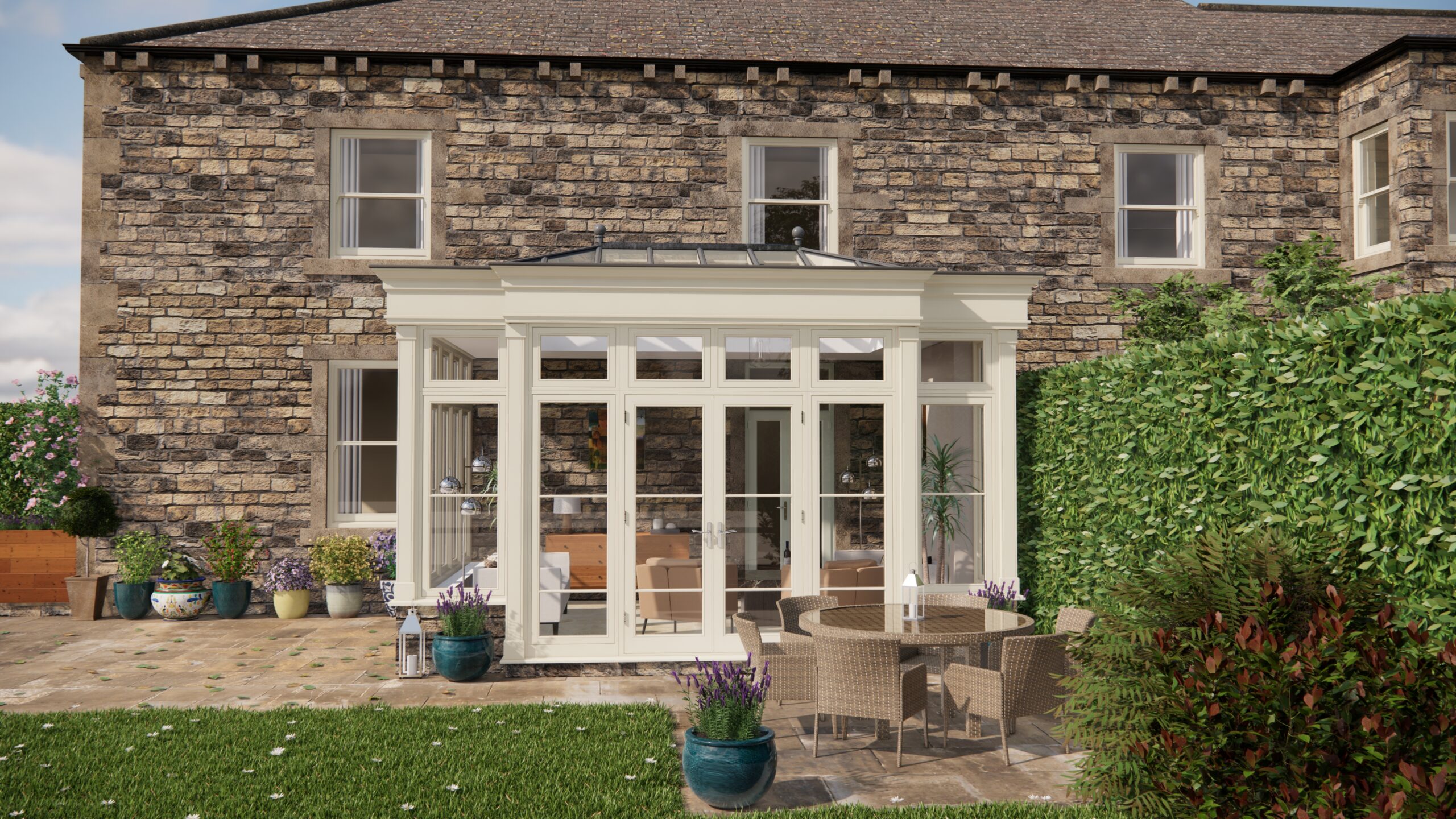
Right, let’s talk orangeries. Glorious structures, flooded with light, a seamless blend of indoor comfort and outdoor beauty. But, as anyone involved in their construction knows, they present a unique set of challenges, especially when it comes to damp-proofing and weather resistance. I’ve recently been researching and writing on this specific topic, and I wanted to share some of the key takeaways. My starting point was an article titled ‘Integrating Heating and Ventilation for Optimal Damp Control in Orangeries,’ and it really opened my eyes to the synergistic relationship between these two elements. So, grab a cuppa, and let’s dive in!
The Enemy: Humidity and Condensation
Firstly, let’s understand the problem. Orangeries, with their large glazed areas and often their close proximity to existing buildings, are particularly susceptible to humidity build-up. This humidity, generated from cooking, bathing, even just breathing, can condense on cooler surfaces, leading to dampness, mould growth, and ultimately, structural damage. Think of it like this: warm, moist air meeting a cold window. That’s condensation in action, and in an orangery, it’s a year-round battle.
Heating and Ventilation: The Dynamic Duo
Here’s where the ‘Integrating Heating and Ventilation’ article really hit home. It’s not enough to just whack in a powerful radiator. You need a systematic approach that considers both heating and ventilation. The goal is to maintain a consistent, comfortable temperature while effectively removing moisture-laden air. The article emphasized the importance of designing a system that:
- Provides adequate heating: Sufficient to raise the temperature of all surfaces above the dew point (the temperature at which condensation forms). This might mean underfloor heating, which provides even heat distribution, or strategically placed radiators.
- Ensures consistent airflow: Crucial for removing moisture. This can be achieved through natural ventilation (windows and vents) or, more effectively, mechanical ventilation with heat recovery (MVHR) systems.
MVHR systems are particularly appealing because they extract stale, moist air while simultaneously bringing in fresh air, pre-heated by the extracted air. This minimizes heat loss and makes for a very efficient damp-control solution.
Smart Home Tech to the Rescue
The article also explored the potential of smart home technology. Imagine a system that automatically adjusts heating and ventilation based on humidity levels. A smart thermostat, coupled with humidity sensors and automated vents, can create a truly optimized environment. This means you’re not just relying on guesswork; the system is actively responding to changing conditions, preventing dampness before it even becomes an issue. You can set thresholds for humidity, and the system will automatically adjust to maintain optimal levels, all without you having to lift a finger. It’s a real game-changer!
Practical Damp-Proofing Techniques
Beyond heating and ventilation, there are other crucial damp-proofing techniques to consider. When building orangeries and outbuildings, materials used need to be impervious to water. The article reminded me of the need to ensure proper damp-proof courses (DPCs) and damp-proof membranes (DPMs) are installed correctly in the walls and floors. These barriers prevent rising damp from the ground. Also, consider using breathable membranes in the walls to allow moisture to escape from within the structure, while still preventing external water from entering.
External Considerations
Pay close attention to external detailing. Ensure proper drainage around the building’s perimeter to prevent water from pooling. Overhanging eaves help to protect walls from rainwater. Sealants and weather stripping around windows and doors are essential for preventing water ingress.
Materials Matter
Finally, the materials you choose play a significant role. Opt for weather-resistant materials that are less prone to absorbing moisture. For example, composite decking is a good alternative to wood decking, as it’s less susceptible to rot and decay. Likewise, choose exterior paints and finishes that are specifically designed to withstand harsh weather conditions.
By considering all the above aspects, the risk of damp and mould in your orangery is reduced. These points are essential to consider to ensure a build not only withstands the elements but is also a comfortable space to enjoy for many years to come. Ultimately, a successful orangery build is one that harmonizes architectural vision with robust damp-proofing strategies. Remember, the goal is to create a beautiful, functional space that stands the test of time, resisting the damp and embracing the light.