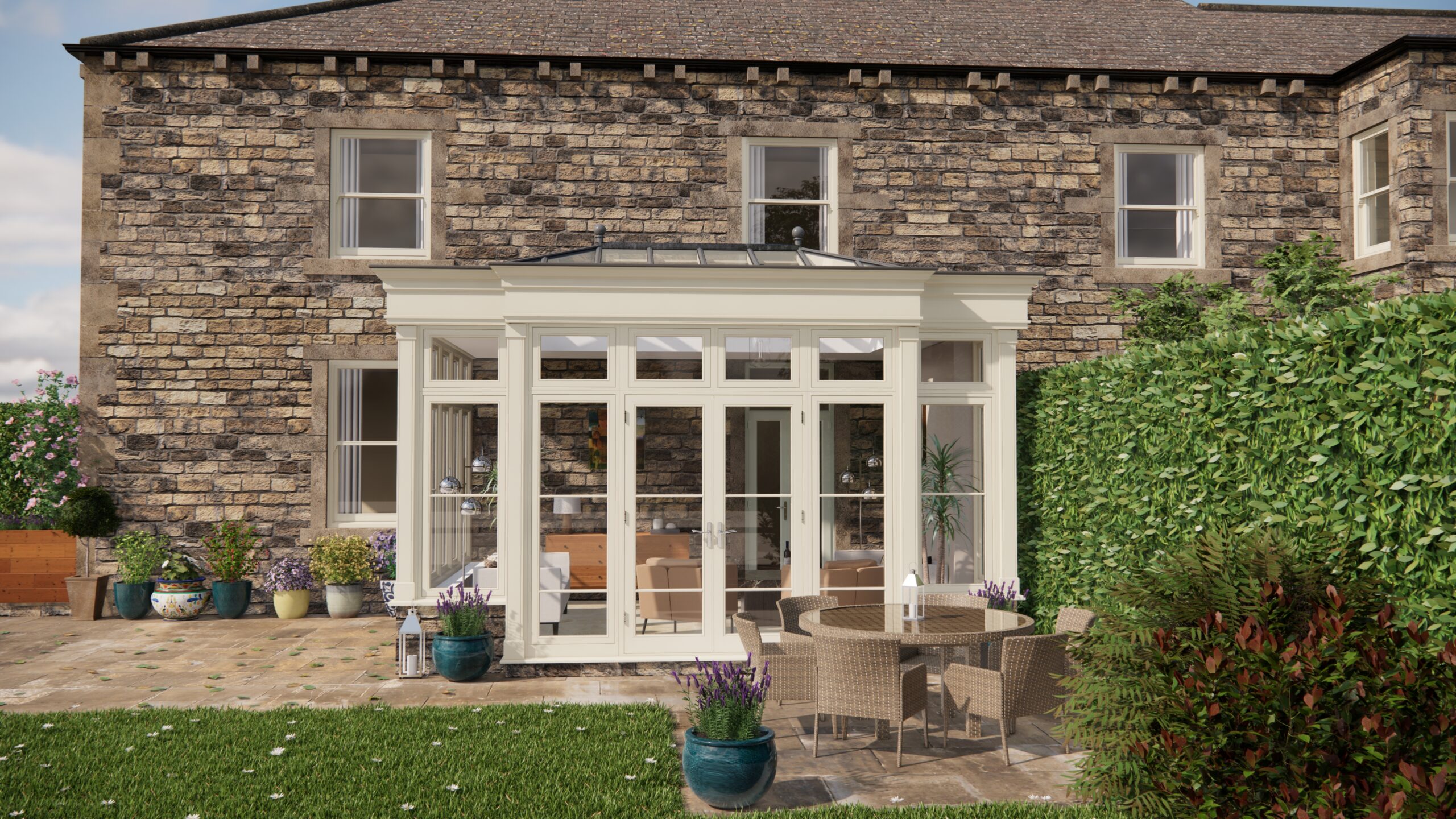
Right, let’s talk orangeries. Or outbuildings. These projects are close to my heart, not just because they add space and light, but because they demand a real understanding of materials and how they interact with the existing property. I’ve recently been buried in articles about this, and I wanted to share some insights, especially regarding brick choices. Forget just throwing up a wall; it’s about harmony, longevity, and weathering the British elements.
Material Selection: More Than Just Looks
The article I was absorbed in, “Brick Choices for Orangeries,” drilled down into material selection. It wasn’t just a catalogue of bricks. It highlighted the absolute necessity of thinking long-term. We’re talking longevity, sustainability, aesthetics, and thermal performance – all crucial. Timber framed orangeries are beautiful, but do consider the maintenance. Metal is sleek and modern but might jar with a period property. Glass is essential for light but also for heat loss so be aware. Then there’s brick – the classic choice, and for good reason. But with brick, it’s not just which brick, but how it works with everything else. Brick is a lot like the foundation on which all other decisions are made on.
Aesthetics: Matching the Old with the New
The biggest hurdle? Blending your new orangery seamlessly with the existing house. The article stressed matching the brickwork of the main house as closely as possible. Colour is key, of course, but texture is almost as important. Think about the bond – is it Flemish bond, English bond, or something else entirely? Replicating this accurately is crucial for a cohesive look. Sourcing reclaimed bricks can be a fantastic solution here. They bring instant character and a weathered appearance that new bricks just can’t replicate. Just be sure to check their structural integrity and ensure they meet current building regulations. It will always pay you back to spend a good amount of time with reclaimed brick suppliers to ensure that you get the best match.
Durability and Damp-Proofing: The Practicalities
A pretty orangery is useless if it’s damp and falling apart. The article emphasized the importance of durability and moisture resistance. Facing bricks are designed to withstand the elements, but not all bricks are created equal. Consider the brick’s water absorption rate. A lower rate means better resistance to frost damage, a critical factor in the UK climate. Proper damp-proofing is non-negotiable. A damp-proof course (DPC) is essential, and the article advised on various DPC materials and installation techniques. It also touched on the importance of ventilation to prevent condensation build-up within the walls. The article advised using water resistant mortar too.
Planning and Building Regulations: Staying Compliant
No project is complete without navigating the planning and building regulations minefield. For listed buildings, the requirements are even stricter. The article highlighted the need to consult with a conservation officer early in the process. They can advise on suitable materials and construction techniques that are sympathetic to the building’s heritage. Building regulations cover everything from structural integrity to fire safety and thermal performance. Ensure your design complies with these regulations to avoid costly rework later on. If you are building close to boundaries then you might have to build fireproof walls too. If you’re extending on a boundary line, things get complicated; get expert advice!
The Heating Puzzle: Comfort and Efficiency
Finally, heating! An orangery should be a comfortable space year-round. The article explored various heating options, from traditional radiators to underfloor heating and even heat pumps. The key is to choose a system that is both efficient and compatible with the orangery’s design. Consider the thermal performance of the walls, roof, and glazing. High-performance insulation and glazing can significantly reduce heat loss and lower your energy bills. Underfloor heating is especially popular in orangeries, providing even heat distribution and freeing up wall space.
Ultimately, building an orangery or outbuilding is a multi-faceted project, it demands careful planning, material selection, and adherence to regulations. Start by carefully examining the existing structure. Note the brick type, bond pattern, and overall style. This will guide your material choices and ensure a cohesive design. Don’t compromise on quality, the longevity of your build depends on it. Get professional advice, especially for listed buildings or complex projects and get multiple quotes too! Good luck, and enjoy the process!