Right, let’s talk about something I’m particularly passionate about: breathing new life into a property with an orangery or outbuilding, without making it look like an afterthought. I’m going to share some insights from my recent deep dive into orangery construction, specifically focusing on that critical aspect: ensuring the new structure harmonises beautifully with your existing home. Think of it as a sensitive conversation between old and new.
First, The Art of Visual Harmony: Style and Proportion
Forget bolting on a glass box and hoping for the best! The initial design stage is where the magic truly happens. The first step is to really see your house. Is it Georgian with elegant sash windows? Perhaps Victorian with ornate brickwork? Understanding the architectural DNA of your existing property is vital.
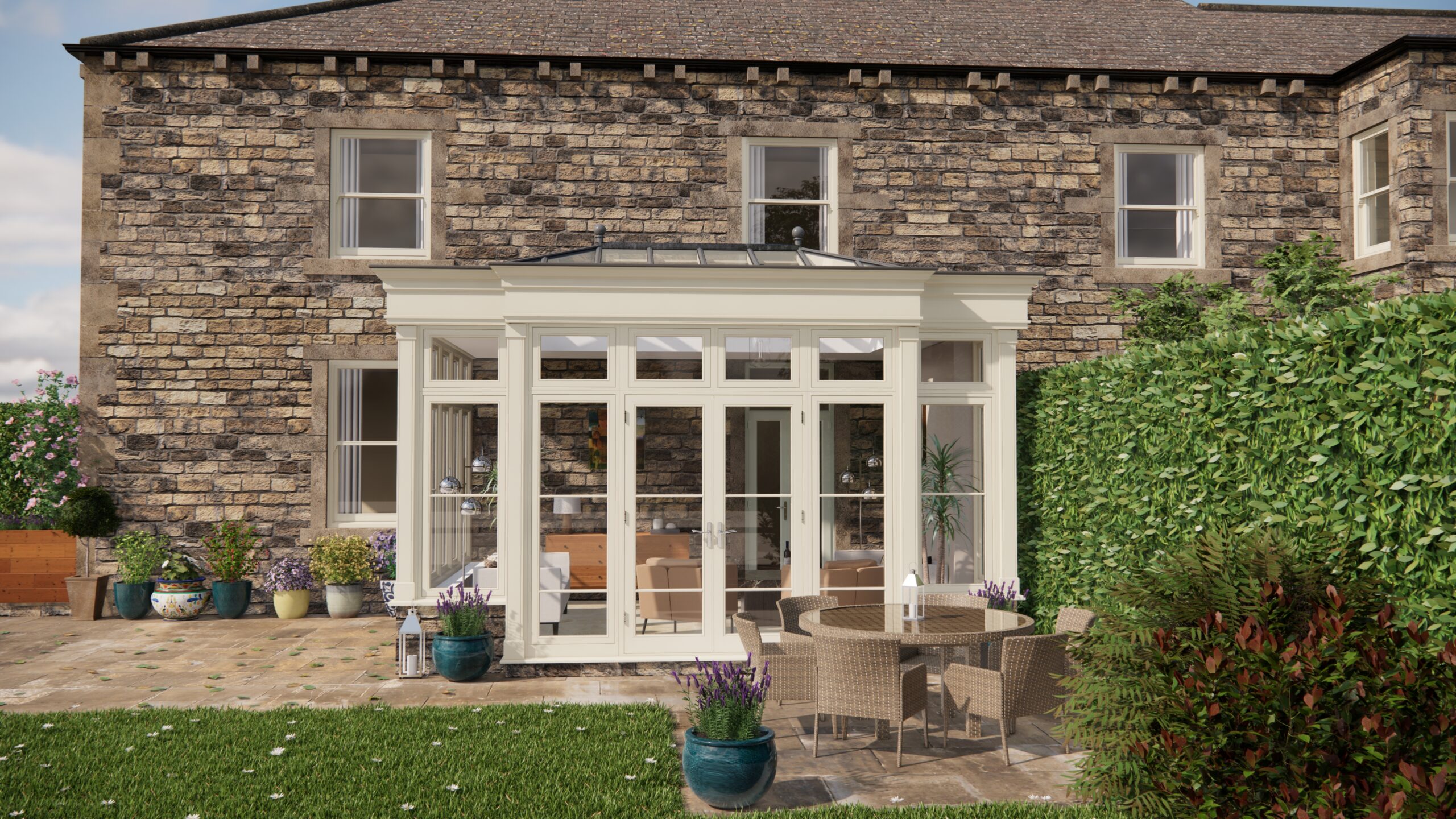
- Matching Materials: This isn’t about slavishly copying everything, but choosing materials that complement the existing ones. If you’ve got a brick house, consider a brick base for the orangery, using a brick type and colour that’s a close match, or even reclaimed bricks. For stone properties, matching the type and colour of stone is essential. For example, a Cotswold stone property benefits from new stonework in the same style.
- Proportional Balance: Get the proportions wrong, and the whole project will look off. The height, width, and depth of the orangery should be carefully considered in relation to the main house. A tall, narrow orangery might look awkward on a low, wide bungalow, whilst a small lean-to might look insufficient alongside a large stately home. Pay attention to the Golden Ratio; a classic guide to pleasing proportions.
- Roofing Considerations: The roof pitch and materials are hugely important. Matching the roof pitch of the main house will create a sense of visual continuity. If that’s not possible, aim for a pitch that’s visually sympathetic. Slate roofs should be matched with slate and tiled roofs should be matched in both colour and style.
Second, Sightlines and Spatial Flow
An orangery isn’t just an add-on; it’s an extension of your living space, both visually and physically. How it connects to the garden and the rest of the house matters.
- Windows and Doors: Think about the positioning of windows and doors. Aligning the sightlines through the orangery with existing windows in the house can create a sense of flow and connection. Use similar style windows and doors, with sympathetic moulding, to reinforce the visual link.
- Internal Layout: Consider the interior layout of both the orangery and the adjacent rooms in the house. A natural flow between spaces is key. Use consistent flooring materials and colour palettes to unify the spaces.
- Landscaping Considerations: Don’t forget the outside! The landscaping around the orangery should blend seamlessly with the existing garden. Consider pathways, planting schemes, and focal points that draw the eye and create a sense of harmony. For example, matching the style of fencing or the materials used in a patio will help integrate the spaces.
Third, Navigating the Regulatory Landscape (UK Focused)
This is a UK specific consideration and so the rules may vary depending on your location. This stage is something that must be handled with precision and care and could otherwise derail any plans.
- Planning Permission: Before you even pick up a trowel, check planning permission requirements. The size, location, and design of your orangery will determine whether you need full planning permission or if it falls under permitted development rights. Listed buildings have additional restrictions, and any alterations must be approved by the local planning authority.
- Building Regulations: Building regulations cover structural integrity, fire safety, insulation, and accessibility. Your orangery will need to comply with these regulations, and you’ll need to submit plans and obtain approval before starting work. The main factors to consider are: damp proofing, fireproofing and insulation.
Putting it all together
Creating an orangery that feels like a natural extension of your home takes careful planning and consideration. It involves respecting the existing architecture, creating a sense of visual harmony, and ensuring a seamless flow between spaces. You need to think about matching materials, being sympathetic to existing design, and conforming to building regulation. Take the time to research and plan properly, and you’ll end up with a beautiful and functional space that enhances your home for years to come. Ultimately, it’s about creating a cohesive and unified design that respects the past while embracing the future.