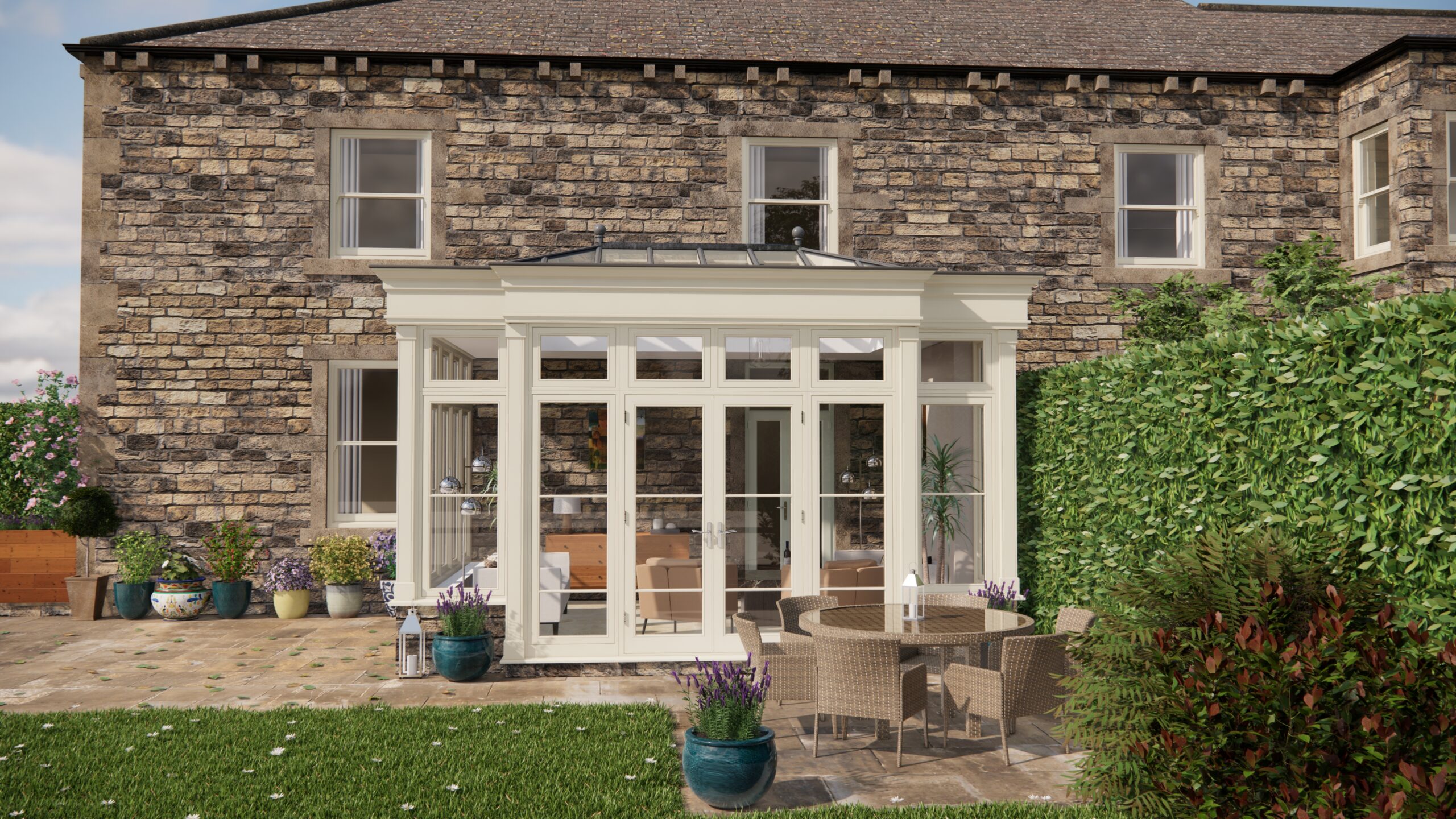
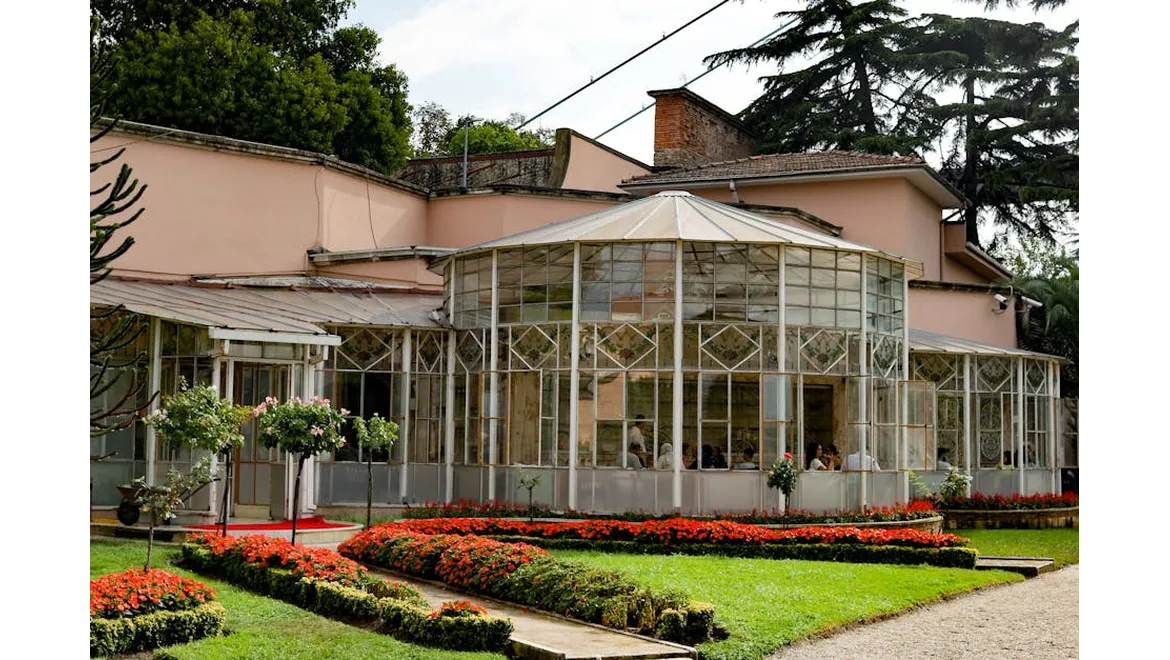
Right, let’s talk Listed Buildings, Orangeries, and Outbuildings. It’s a bit of a minefield, isn’t it? I recently had a really insightful chat with Finley, a heritage consultant, about Listed Building Consent, particularly regarding adding or altering outbuildings like orangeries, workshops, or even just garages. He really helped demystify the process. So, let’s break it down.
What Exactly is Listed Building Consent?
First things first: what’s the big deal with Listed Building Consent? Well, in the UK, if your property is ‘listed’, it’s recognised as having special architectural or historic interest. That means you can’t just do whatever you want to it. Listed Building Consent is the permission you need from your local planning authority before carrying out any work that affects the special character of the building. This isn’t just about demolishing walls; it covers alterations, extensions, and even things that might seem minor, like replacing windows.
Outbuildings: A Separate Entity…Sort Of
Now, outbuildings are an interesting case. Finley explained that whether they’re attached to the main house or stand alone, they fall under Listed Building Consent if they’re within the curtilage (the grounds) of the listed building. The rules applying to the main house will often apply to the outbuildings – especially if they’re historically linked or contribute to the overall setting. Think of that old coach house you want to convert into a studio, or that ramshackle garage crying out for attention; they all need consent.
Alteration, Extension, or New Build: Knowing the Difference
Finley stressed the importance of understanding the difference between alterations, extensions, and new builds because the consent process varies slightly for each. An alteration is modifying something that’s already there – like replacing roof tiles or changing window frames. An extension is adding to an existing structure – building an orangery onto the side of your workshop, for example. And a new build is, well, building something entirely new. He said extensions and new builds generally face a higher hurdle for consent, as they inherently have a bigger impact on the historic setting.
Materials Matter: Matching the Existing Character
This is where things get really interesting. When it comes to materials, the key is harmony. You want your new orangery or renovated outbuilding to complement the existing property, not clash with it. Finley advised researching the original materials used in your listed building and trying to source similar ones. Think traditional brick, natural stone, or timber framing. Where exact matches aren’t possible, aim for materials that are sympathetic in colour, texture, and style. He cited examples of using reclaimed bricks or sourcing slate from the same region as the original building’s roof.
Beyond Aesthetics: Heating, Security, and Damp-Proofing
It’s not just about looks, though. Finley highlighted the importance of considering practical issues like heating, security, and damp-proofing. When it comes to heating, he suggested exploring energy-efficient options that are discreet and don’t require extensive alterations to the building’s fabric. Underfloor heating, for example, can be a good choice for orangeries. For security, he recommended discreet alarm systems and sturdy, traditional-style locks. And of course, damp-proofing is crucial for preserving the building’s integrity. He pointed out the importance of using breathable membranes and lime-based mortars, which allow the building to breathe and prevent moisture from becoming trapped.
The Application Process: Patience is Key
Finally, let’s talk about the application process itself. Finley’s advice? Be prepared for a lengthy process. Start by contacting your local planning authority for pre-application advice. This can help you understand their expectations and identify any potential issues early on. You’ll need detailed plans and specifications, including information about the materials you intend to use. He also recommended consulting with a heritage professional like himself, as they can help you navigate the complexities of the consent process and prepare a strong application. Be prepared to justify your proposals and demonstrate that you’ve taken steps to minimise the impact on the building’s special character.
Finley’s main point was that understanding the spirit and character of the existing building, doing your research and proper planning and being prepared to compromise is key. And a bit of patience of course. By carefully considering materials, respecting the building’s history, and following the correct procedures, it is entirely possible to create beautiful and functional outbuildings that enhance rather than detract from our historic properties.