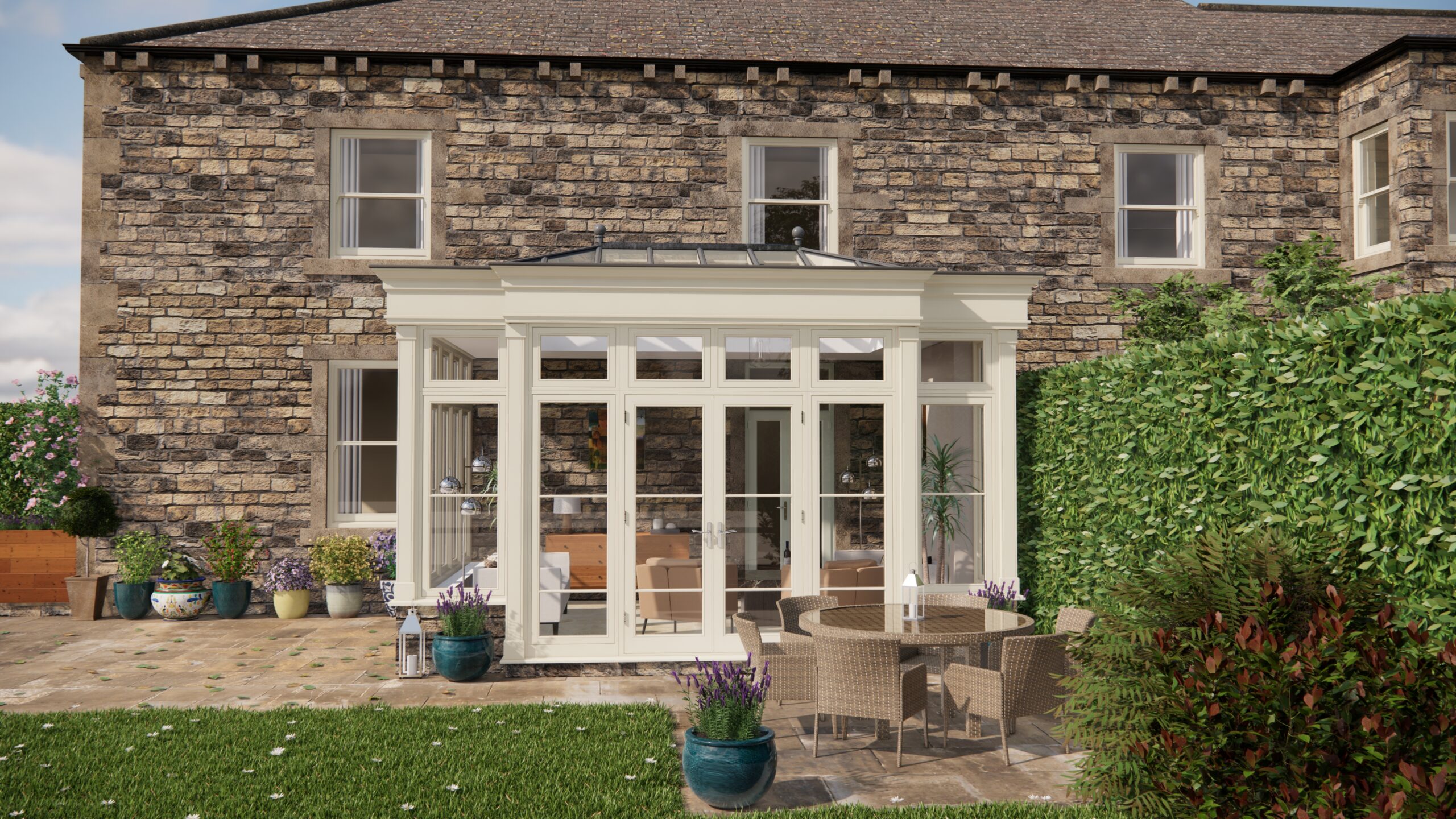
Right, let’s talk orangeries! Beautiful additions, aren’t they? But before you start dreaming of lemon trees and sunlight, there’s a crucial, often overlooked, aspect to consider: what’s under your feet. I’m talking about the foundations, and more specifically, how to navigate the wonderful world of… problematic soil. I’ve learned a thing or two researching this stuff for articles, and trust me, a solid foundation is the bedrock (pun intended) of a successful orangery or outbuilding project.
Imagine this: you’ve spent a fortune on gorgeous glazing and reclaimed bricks, only to watch your beautiful new structure crack and shift a year later. Nightmarish, isn’t it? The culprit? Soil settlement. It’s a common issue, especially with clay, peat, and ‘made ground’ (that’s landfill or previously disturbed land). So, how do we avoid this disaster?
Understanding Your Soil: The Site Investigation
First things first, you need to know your soil. This isn’t a guess-and-hope situation. A proper site investigation is essential. Hire a geotechnical engineer to perform boreholes and soil testing. They’ll analyse the soil’s composition, its bearing capacity (how much weight it can support), and its potential for movement. This might sound expensive, but it’s peanuts compared to the cost of rectifying foundation failures later on. The engineer’s report will be your bible for the next steps.
Dealing with Clay: The Shrink-Swell Challenge
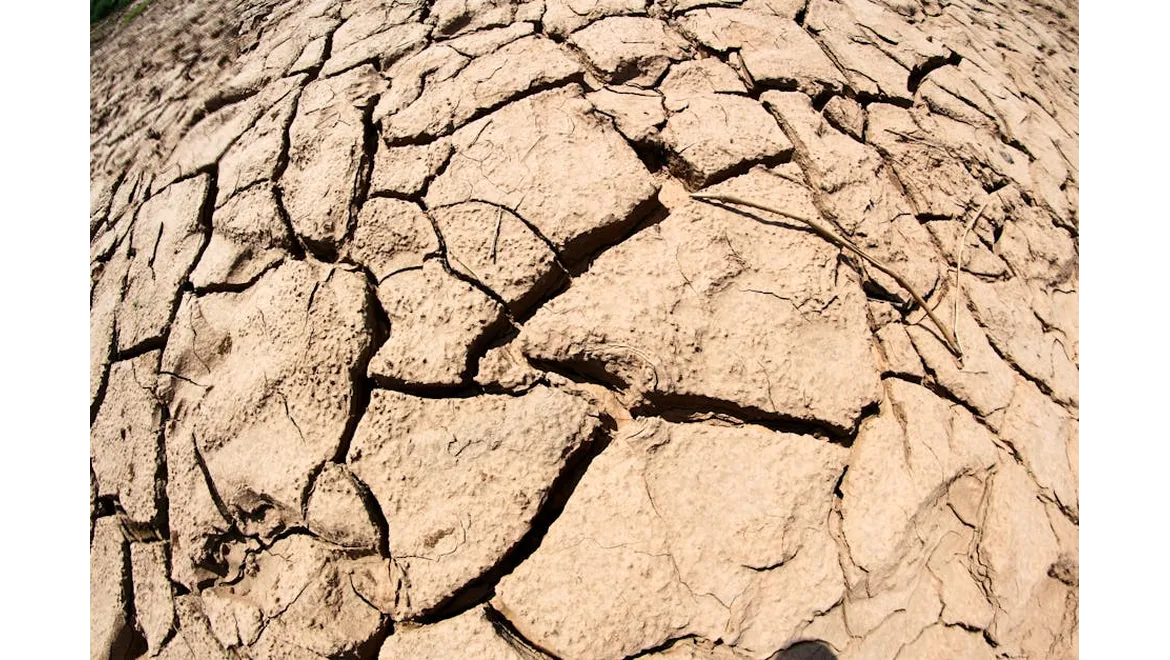
Clay soil is notorious for its shrink-swell behaviour. When wet, it expands; when dry, it contracts. This movement can wreak havoc on foundations. Here are a few solutions:
- Deep Foundations: Think piled foundations. These bypass the problematic top layers of clay and transfer the load to deeper, more stable ground. There are different types of piles (driven, bored, etc.), and the engineer’s report will guide you on the best choice.
- Reinforced Concrete Rafts: A reinforced concrete raft foundation acts like a floating platform, distributing the load evenly across the soil. This can be effective on clay soils with moderate movement.
- Soil Stabilization: Techniques like lime stabilization can improve the soil’s strength and reduce its shrink-swell potential. This involves mixing lime into the soil to alter its properties. While effective, it’s best used on smaller projects.
Tackling Peat: The Compressible Conundrum
Peat soil is highly compressible, meaning it squashes down under load. This leads to significant settlement. Here’s how to approach it:
- Removal and Replacement: The most straightforward (but often expensive) option is to excavate the peat and replace it with engineered fill (compacted granular material). This provides a stable base for your foundations.
- Pre-loading: This involves placing a temporary load on the ground to compress the peat before construction. It’s a slow process but can be cost-effective for larger areas.
- Pile Foundations: Similar to clay, piles can bypass the peat layer and transfer the load to a more competent stratum below. Again, a geotechnical engineer will advise on the appropriate piling method.
Made Ground: The Unknown Quantity
Made ground is a mixed bag. It could contain anything from demolition rubble to industrial waste. The main concern here is unpredictable settlement and potential contamination. Here’s the drill:
- Detailed Site Investigation: Even more crucial than with other soil types. You need to know exactly what you’re dealing with. Extensive soil testing is a must.
- Ground Improvement Techniques: Depending on the composition of the made ground, techniques like vibro-compaction or dynamic compaction can be used to densify the soil and improve its bearing capacity. Vibro-compaction involves using a vibrating probe to compact the soil, while dynamic compaction uses a heavy weight dropped from a height to achieve the same effect.
- Piled Foundations: Often the safest option for made ground, as they can penetrate through the unstable fill to reach solid ground below.
Don’t Forget the Building Regulations and Planning Permission!
While dealing with soil is important, don’t forget the legal stuff! Building Regulations cover structural stability, drainage, and damp-proofing. Planning Permission is needed for most orangeries and outbuildings, especially if you’re in a conservation area or the building is listed. Make sure your design complies with all relevant regulations before you start construction. Using a structural engineer to design and produce drawings for building control sign off is essential.
So, where does that leave us? Well, the key takeaways are understanding your soil with a thorough site investigation, choosing the right foundation type based on that investigation, and adhering to all building regulations and planning requirements. A little extra planning and investment at the beginning can save you a lot of heartache and expense in the long run. It’s about ensuring your beautiful orangery stands the test of time, on solid ground.