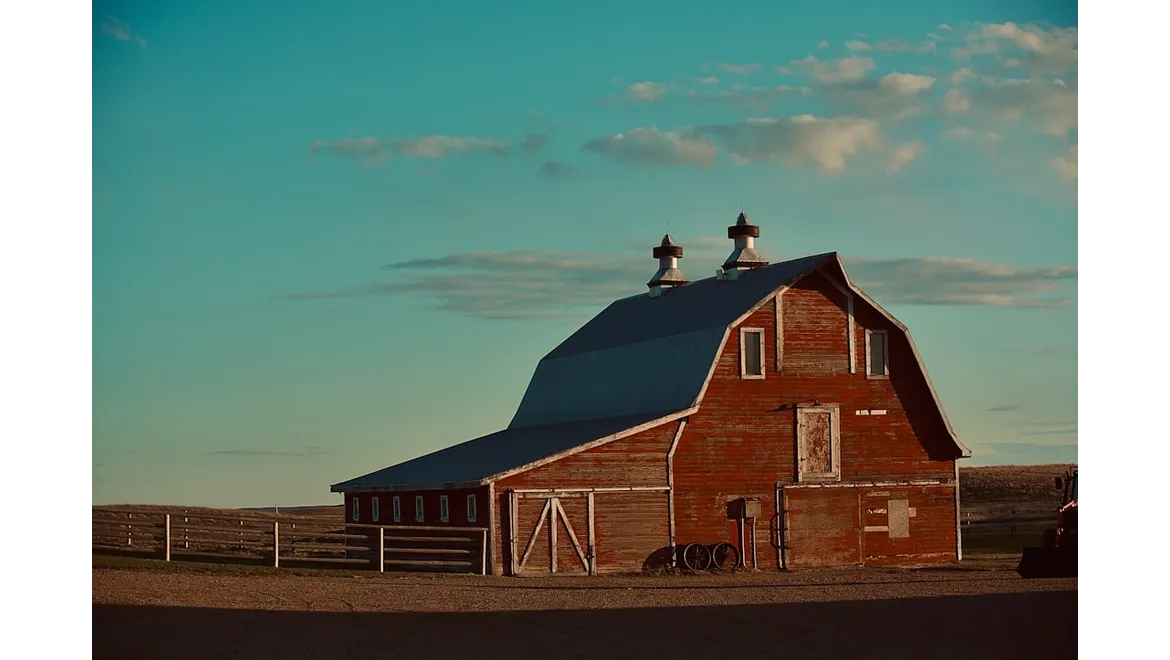
Right then, let’s talk barn conversions. I’ve spent the last few months buried deep in a fascinating project: documenting the transformation of a dilapidated barn into a stunning, modern living space – a luxury extension, really – all while navigating the complexities of rural planning and preserving its historical charm. I wanted to share my journey with you all, focusing on how we balanced the old with the new and tackled the unique challenges inherent in such a project. Think of it as a detailed case study you can learn from.
The first hurdle, as always, was planning permission. Rural areas often have stricter regulations to protect the landscape, and rightly so. We’re talking about preserving Areas of Outstanding Natural Beauty here. We needed a robust application demonstrating that the conversion wouldn’t negatively impact the surroundings. This meant detailed site plans, ecological surveys (bats are a big one!), and a compelling design statement articulating how the extension would respect the barn’s original footprint and character. We engaged early with the local planning authority, which proved invaluable in understanding their concerns and tailoring our application accordingly. My advice? Don’t see them as the enemy! Early, clear communication is key.
Next, design. This was where the real magic happened. The client was adamant about retaining as many original features as possible. Think exposed beams, original brickwork, and even the old feeding troughs (repurposed as planters, naturally!). However, they also wanted a modern, light-filled living space with all the mod cons. The challenge was blending these seemingly opposing desires. We opted for a glazed link between the existing farmhouse and the converted barn. This not only allowed light to flood both spaces but also visually separated the old from the new, preventing the extension from overshadowing the original structure. We also incorporated large, modern windows, but these were carefully positioned and scaled to complement the barn’s existing openings.
Materials were crucial. We used reclaimed timber wherever possible, mirroring the original barn’s construction. For the new elements, we chose locally sourced stone and natural lime render, ensuring that the extension blended seamlessly with the surrounding landscape. The interior was all about creating a sense of warmth and luxury. Think underfloor heating beneath reclaimed oak flooring, a bespoke kitchen crafted from solid wood, and exposed brick walls painted in muted, earthy tones.
Sustainability was also a high priority. We installed a ground source heat pump for efficient heating and hot water, and solar panels on the barn roof (carefully positioned to minimize visual impact). High-performance insulation was used throughout to minimize heat loss, and we incorporated rainwater harvesting for irrigation and toilet flushing. These sustainable solutions not only reduced the environmental impact but also lowered the long-term running costs for the client.
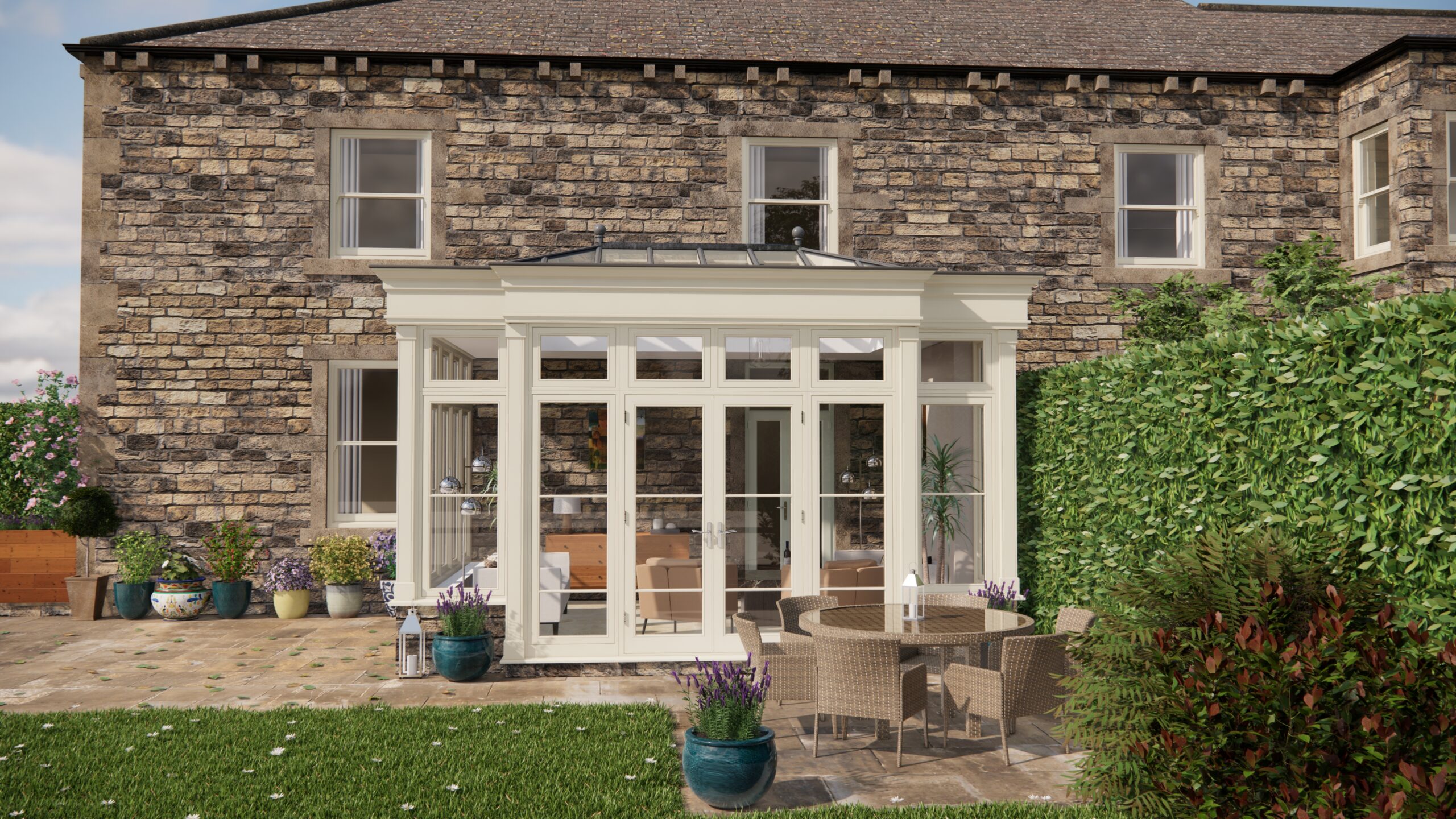
Now, let’s zoom into specifics, bearing in mind the construction of outbuildings and orangeries. Orangeries in particular. The principles of the barn conversion project can be applied in other situations. Material matching is key. With orangeries, matching the brickwork and detailing of the existing house is essential for a cohesive look. For outbuildings, consider using materials that complement both the house and the surrounding landscape. Heating can be achieved with underfloor heating or electric radiators, but ensure the system is energy-efficient. Damp-proofing is crucial, particularly in older properties. A damp-proof course and proper ventilation are essential. Also, Security. Robust locks, alarms, and security lighting can deter intruders.
Of course, working with a listed building adds another layer of complexity. Planning permission becomes even more stringent, and you’ll need to demonstrate that any alterations won’t harm the building’s historical significance. Building regulations also apply to all construction projects, ensuring that the building is structurally sound, fire-safe, and energy-efficient.
So, what did we learn? We demonstrated that transforming a historic barn into a luxury home extension is achievable with careful planning, sensitive design, and a commitment to sustainability. It highlights the importance of early engagement with planning authorities, the careful selection of materials, and the integration of modern amenities while preserving the building’s original character. It’s about finding the sweet spot between respecting the past and embracing the future, and I think we achieved that beautifully.