
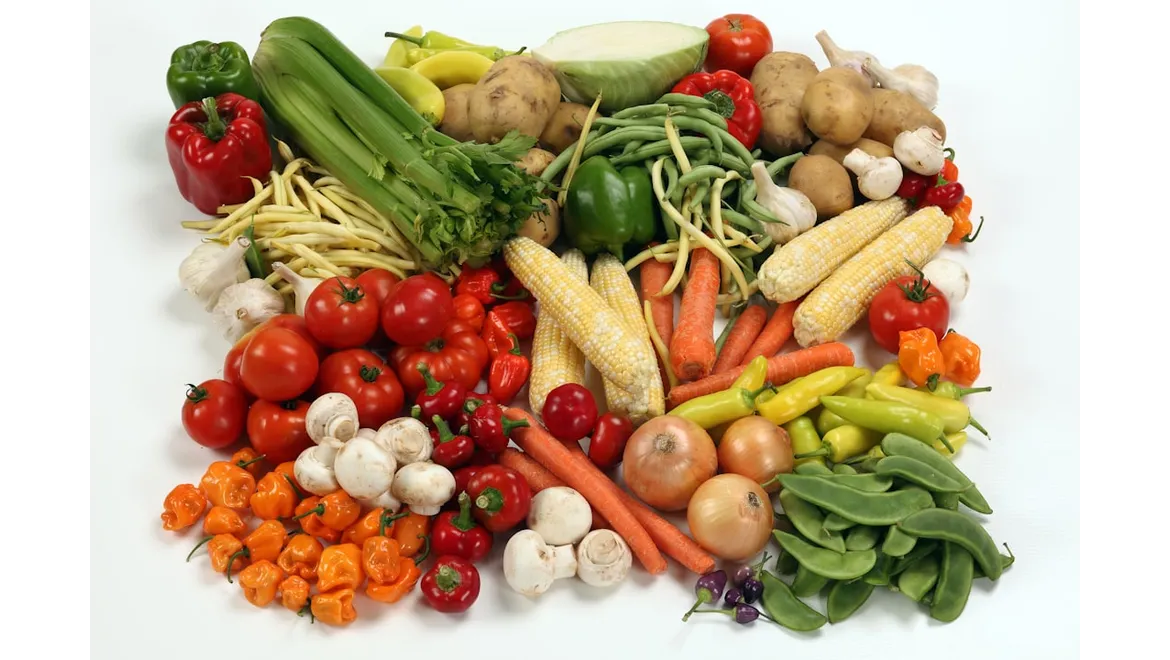
Right, settle in, grab a cuppa, because today we’re diving deep into the glorious world of homegrown food. I recently had the pleasure of nattering with Logan, a seasoned gardener and harvesting aficionado, about his experiences and wisdom gleamed from years spent coaxing deliciousness from UK soil. We were particularly focusing on that crucial, often-nerve-wracking, moment: knowing exactly when and how to harvest your lovingly nurtured produce.
“It’s more than just pulling something out of the ground,” Logan chuckled, settling back in his wicker chair, overlooking his impeccably planned vegetable garden. “It’s about understanding the plant, reading the signs, and respecting the time you’ve invested.”
We started with the backbone of many British gardens: vegetables. Logan emphasised the importance of visual cues. “Take tomatoes, for example. It’s not just about them being red. Look for a deep, even colour, a slight give when you gently squeeze them, and that unmistakable tomato fragrance. If they’re still rock hard and smelling green, they need more time. Same with courgettes – bigger isn’t always better! Aim for around 6-8 inches long; they’re far more tender and flavourful.”
He pointed out his rows of runner beans. “Runner beans need regular picking to keep them cropping well. Snap them off when they are about 6 to 8 inches long and before the beans inside start to swell. If they get too big and the beans are obvious, they will be stringy.”
We then moved onto herbs, a vital ingredient for elevating any meal. “Herbs are best harvested in the morning, after the dew has dried, but before the sun gets too strong,” Logan advised. “This is when their essential oils are at their peak. For leafy herbs like basil and mint, pinch off the top growth. This encourages bushier growth and a longer harvest. Woody herbs like rosemary and thyme can be snipped as needed, but a harder prune after flowering keeps them tidy.”
Next up were fruit trees, a longer-term investment but oh-so-rewarding. “Knowing when to pick fruit is a real art,” Logan admitted. “With apples, for instance, a gentle twist should allow them to detach easily from the branch. If you have to yank them, they’re not ready. For soft fruits like raspberries and strawberries, they should come away easily from the plant and be richly coloured. Netting is a must to protect your bounty from birds, though!” He also suggested a taste test. If it’s not flavourful, it needs more time on the tree.
Of course, harvesting is only half the battle. Proper storage techniques are crucial to preserving your hard-earned bounty. Logan shared his go-to methods. “Root vegetables like carrots and potatoes store well in boxes of slightly damp sand in a cool, dark place. Leafy greens can be kept fresh in the fridge in a damp cloth or plastic bag. Herbs can be dried by hanging them upside down in a well-ventilated area, or frozen in ice cube trays with water or oil.”
He also mentioned the importance of harvesting techniques to minimise damage. “Use sharp secateurs or scissors to avoid bruising the plants. Handle your produce gently, as any damage can shorten its shelf life. Pick in the cool of the morning or evening to avoid wilting.”
Logan also spoke enthusiastically about using an orangery to extend the growing season. An orangery’s controlled environment, he explained, not only allows you to bring more tender plants indoors over winter but also provides a warm and sun-drenched space for starting seeds early in spring and growing crops that thrive in warmer conditions, such as chillies and aubergines. This significantly increases the range and duration of homegrown produce throughout the year.
Our chat with Logan highlighted that mastering the art of harvesting is a journey of observation, experimentation, and respect for the natural world. By paying attention to visual cues, employing proper harvesting techniques, and understanding storage methods, you can enjoy the peak flavour and quality of your homegrown produce for longer, and all that fresh goodness to be savoured.