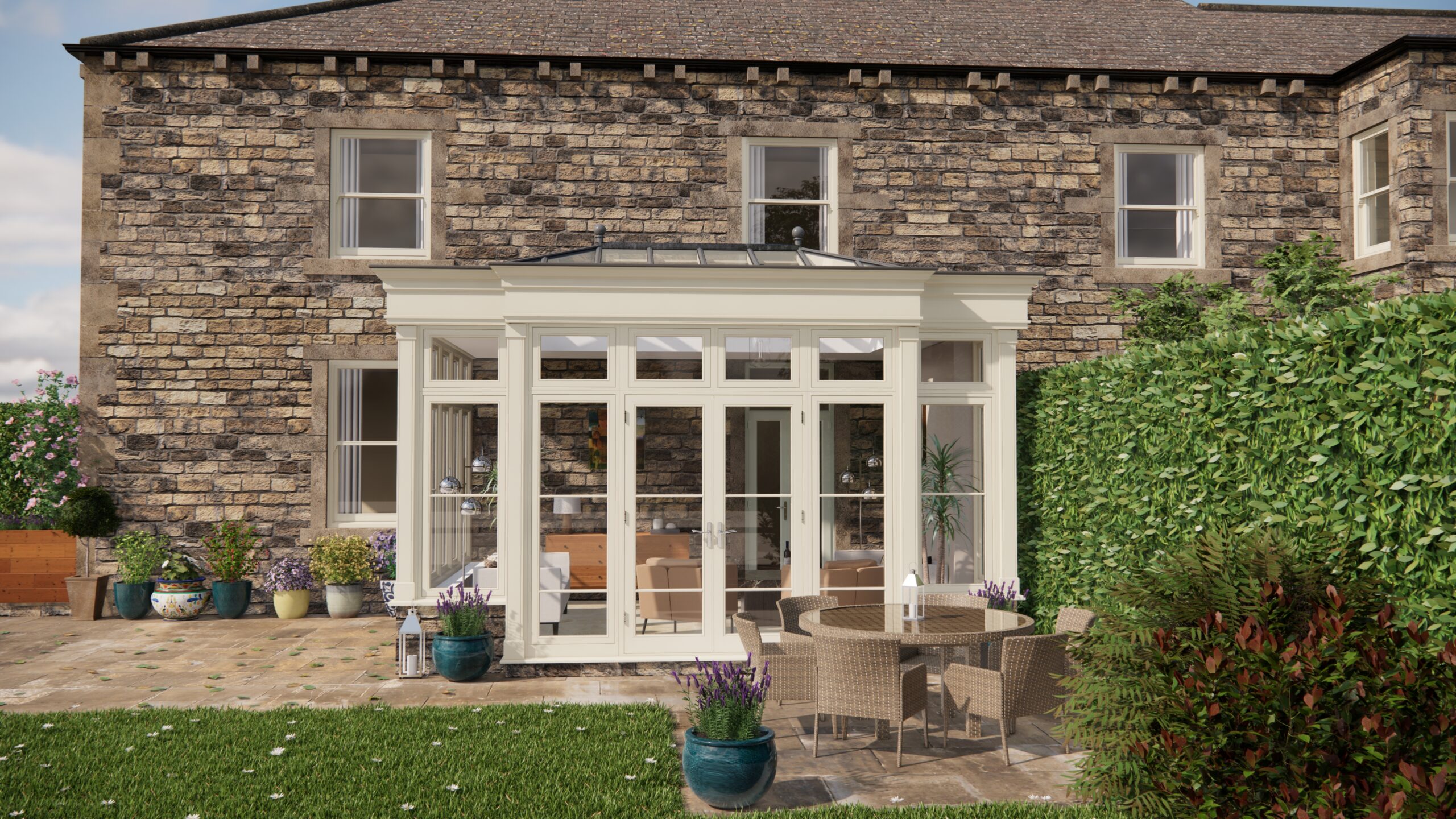
Right, let’s talk sustainable orangeries. I’ve been digging deep into the world of eco-friendly outbuildings lately, especially how to balance sustainability with security. It’s a bit of a tightrope walk, isn’t it? So, I sat down with Charlie, a seasoned architect with a passion for green building, to get his take on things.
“Charlie, thanks for chatting with me! Tell me, what’s the biggest hurdle when trying to build a secure, sustainable orangery?”
Charlie leaned back, a thoughtful look on his face. “It’s the initial perception, really. People often think ‘sustainable’ means ‘compromised’. That you have to sacrifice security or aesthetics to be eco-friendly. And that just isn’t true! It’s about clever material choices and smart design.”
Eco-Friendly Frames with Fort Knox Features
One of the first things we discussed was window and door frames. Timber, naturally, is a popular choice. “But not just any timber,” Charlie stressed. “We’re talking about responsibly sourced, FSC-certified wood. Look for thermally modified timber too; it’s far more durable and resistant to rot, reducing the need for chemical treatments.” He also mentioned Accoya wood, which undergoes a process called acetylation, making it incredibly stable and long-lasting. This reduces the amount of maintenance needed and increases the overall lifespan of the structure. The bonus of it being so long lasting is you reduce your carbon footprint by not replacing timber at the rate you would normally.
But what about security? Charlie explained that multi-point locking systems are easily integrated into timber frames. “It’s about good design upfront,” he said. “Reinforced hinges and laminated glass are essential too. You can even get timber frames with steel cores for added strength without sacrificing the look.”
Glazing: Strong, Sustainable, and Stylish
Next up: glazing. This is where things get really interesting. “Traditional glass can be incredibly energy-intensive to produce,” Charlie explained. “But there are fantastic alternatives. Consider recycled glass options. They have a slightly lower carbon footprint. Also, think about low-emissivity (Low-E) glass. It reflects heat back into the orangery in the winter and keeps it out in the summer, reducing your reliance on heating and cooling systems.” Triple glazing is the best option. It offers exceptional insulation, significantly reducing heat loss and lowering your energy bills. Whilst this is a bigger initial cost, the long term benefits are well worth the investment.
And what about security? “Laminated glass is key,” Charlie stated. “It’s incredibly difficult to break through. You can also opt for toughened glass, which shatters into small, harmless pieces rather than dangerous shards.” He mentioned specific types of laminated glass that are specifically designed to resist forced entry, achieving security ratings equivalent to standard security windows.
Smart Security, Powered by the Sun
Of course, no orangery is truly secure without a good alarm system. But Charlie’s take on this was refreshingly eco-conscious. “Why not power your security system with solar panels?” he asked. “It’s a fantastic way to reduce your carbon footprint and save money on your electricity bills. Battery storage is also important, so your system continues to function even during power outages. And modern security systems offer a range of features, from motion sensors and door/window contacts to remote monitoring and smart home integration. Consider using wireless, battery-powered sensors to reduce the amount of wiring needed and make installation easier and you won’t have to chop into timber frames and walls.”
Beyond Materials: Sustainable Sourcing and Construction
Our conversation then drifted to other sustainable practices. Charlie highlighted the importance of sourcing materials locally to reduce transportation emissions. He also mentioned using reclaimed materials whenever possible. “Bricks from demolition sites, reclaimed timber – they add character and reduce waste,” he explained. Consider using recycled concrete. This is a highly sustainable option that reduces landfill waste and lowers the embodied energy of the project.
And water harvesting? “Absolutely!” Charlie exclaimed. “Collect rainwater to water your plants. It’s a simple yet effective way to conserve water and reduce your environmental impact. A rainwater harvesting system can be integrated into the roof drainage and stored in a tank for later use. This water can also be used to wash cars or clean outdoor areas, further reducing water consumption.
Planning and Regulations
Of course, we couldn’t forget the planning regulations. It’s essential to check with your local council before starting any construction project, especially if your property is listed. Building regulations also apply, covering areas such as structural integrity, fire safety, and energy efficiency. “Engage with a qualified architect who understands the local regulations and can guide you through the process,” Charlie advised.
So, where does this leave us? In short, you don’t need to compromise on security to build a sustainable orangery. It’s about making informed choices, choosing the right materials, and working with professionals who understand both security and sustainability. From FSC-certified timber and laminated glass to solar-powered security systems and rainwater harvesting, there are many ways to create a beautiful, secure, and eco-friendly outbuilding. It’s a bit more upfront work but the result is an Orangery that won’t cost the Earth!