
Right, let’s talk home ergonomics. It’s a phrase that sounds a bit… clinical, doesn’t it? But honestly, it’s just about making your home work for you, not against you. I recently had a brilliant chat with Aaliyah, an interior designer with a passion for wellness, and she totally opened my eyes to how we can tweak our spaces to boost posture, comfort, and overall wellbeing. Think of it as a home makeover that prioritises your body!
“So Aaliyah,” I started, settling into her incredibly comfy (and supportive!) sofa, “where do we even begin with ergonomics at home? It feels a bit overwhelming!”
“The key is to break it down,” she replied, smiling. “Start with the spaces where you spend the most time, or where you’re experiencing discomfort. For many people, that’s the home office, or even the living room couch.”
Workspace Wonders: Setting Up for Success
We dived straight into workspace ergonomics. Aaliyah emphasised the importance of the ’90-90-90′ rule. Essentially, you want your elbows, hips, and knees to be bent at roughly 90 degrees when seated at your desk. Here’s how to achieve it:
- Chair Choice: An adjustable chair is non-negotiable. Look for lumbar support, adjustable armrests, and the ability to tilt the seat. Aaliyah swears by mesh-backed chairs for breathability.
- Desk Height: If your desk is too low, you’ll hunch. Too high, and your shoulders will strain. Ideally, your desk should be at a height where your elbows can rest comfortably at your sides while typing. If you can’t get an adjustable desk, consider using a footrest to bring your knees to the correct level.
- Monitor Placement: Top of the screen should be at or slightly below eye level. This prevents you from craning your neck. If you’re using a laptop, invest in a separate monitor and keyboard.
- Keyboard and Mouse: Keep them close to your body to avoid reaching. Consider an ergonomic keyboard and mouse designed to reduce strain on your wrists and hands.
“It sounds simple,” Aaliyah noted, “but consistently applying these principles makes a huge difference over time. Remember to take regular breaks to stretch and move around too. Set a timer if you need to!”
Living Room Lounging: Comfort Without Compromise
Next up: the living room. “This is where posture often goes out the window!” I exclaimed, picturing myself slouched on the sofa, remote in hand.
Aaliyah laughed. “It’s true. But small changes can make a big impact. Think about your seating arrangement. Is your sofa providing adequate support? Consider adding cushions behind your back to maintain a good posture. And avoid sprawling out completely!”
She also recommended:
- Footrests: Raising your knees slightly can relieve pressure on your lower back.
- Occasional Tables: Position them at a height that allows you to easily reach for drinks and snacks without straining.
- Lighting: Adequate lighting is crucial for preventing eye strain. A combination of ambient and task lighting is ideal.
Orangeries and Wellness: Bringing the Outside In
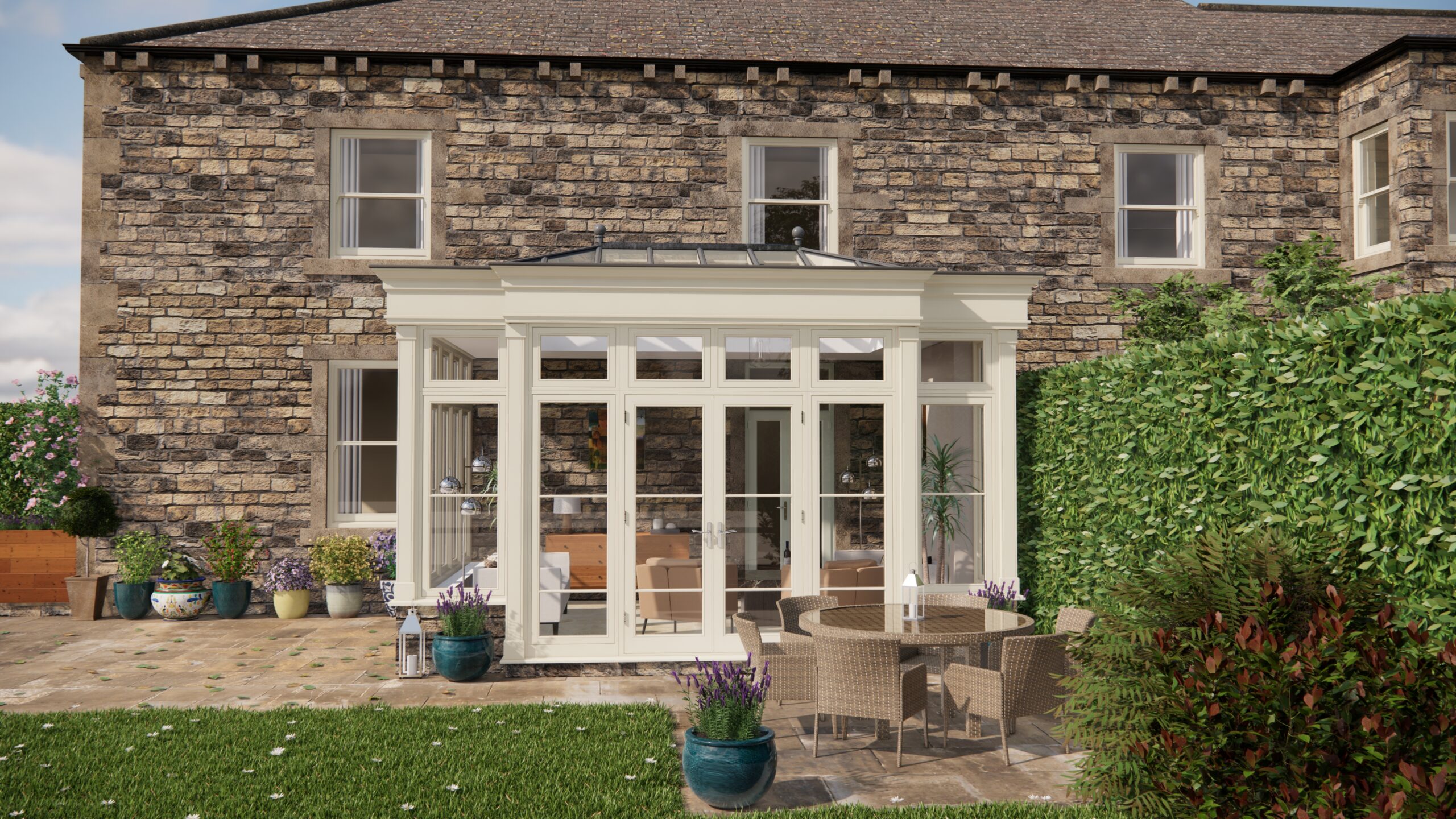
Then we spoke about orangeries and their potential as wellness spaces. Aaliyah was incredibly enthusiastic.
“Orangeries are fantastic because they offer natural light and a connection to the outdoors,” she explained. “They’re perfect for activities like yoga or meditation. The natural light boosts vitamin D production and can improve mood, which is vital for overall wellbeing.”
She suggests:
- Yoga Space: Dedicate a corner of your orangery for yoga or stretching. Use a comfortable mat, blankets and cushions. Consider adding plants for a calming atmosphere.
- Meditation Zone: Create a quiet corner with comfortable seating, soft lighting, and calming sounds. Try a fountain or a small water feature.
- Home Gym: Add some light exercise equipment like free weights or resistance bands to promote physical activity.
The Bigger Picture: Creating a Holistic Approach
Aaliyah stressed that ergonomics isn’t just about furniture. It’s about movement, mindfulness, and creating an environment that supports your physical and mental wellbeing. Encourage regular movement throughout the day, even if it’s just standing up and stretching every hour. Incorporate activities you enjoy, such as yoga, meditation, or simply spending time in nature. Consider the layout of your home, optimising it for both work and leisure. Create spaces that are comfortable, functional, and inspiring.
So, basically, it’s about being mindful of your body and creating a home that supports you, rather than hinders you. It’s about investing in your well-being, one ergonomic tweak at a time.