
Alright, settle in folks, because today we’re diving headfirst into something that’s transformed my thinking about home wellness: the incredible power of natural light and ventilation. I recently had a lovely chat with Molly, a mum of two and a total convert to the ‘light and air’ philosophy, and I’m itching to share her insights. Think sun-drenched yoga sessions and breezy playrooms – it’s all about creating spaces that actively enhance our wellbeing.
The Revelation: Natural Light Isn’t Just ‘Nice’, It’s Essential
I started by asking Molly about her initial inspiration. “It was my daughter’s sleep,” she confessed. “She was constantly restless. I started researching and kept stumbling across articles highlighting the link between natural light, circadian rhythms, and sleep quality.” That was the turning point. Molly realised she wasn’t just decorating a house; she was curating an environment.
But how does natural light actually work its magic? Well, it’s all down to our bodies’ natural clock. Exposure to sunlight first thing in the morning helps regulate our sleep-wake cycle. This, in turn, impacts everything from mood and focus to immune function and even appetite. Lack of sunlight, especially during the darker months, can disrupt this rhythm, leading to fatigue, irritability, and even seasonal affective disorder (SAD). For children, who are still developing these crucial rhythms, the impact is even more pronounced. Molly noted, “Since prioritizing light exposure in the mornings, her sleep has improved dramatically.”
Breathing Room: The Often-Overlooked Power of Ventilation
It wasn’t just about light, though. “I quickly realised ventilation was just as important,” Molly added. Stale, stuffy air isn’t just unpleasant; it can be detrimental to our health. Poor ventilation traps pollutants, allergens, and even mould spores, which can trigger respiratory problems, allergies, and headaches. Fresh air, on the other hand, boosts oxygen levels in the blood, improving energy levels and cognitive function. So how can we actively improve it?
We can start by, quite simply, opening windows! Even for just ten minutes a day can make a difference. Positioning furniture away from vents to ensure airflow is not blocked. The use of air purifiers can also enhance air quality when windows are closed.
Designing for Wellbeing: Light-Filled Play and Study Spaces
So, how did Molly put these principles into practice? Her key takeaway was being intentional about where the children played and studied. “We moved their desks closer to windows,” she explained. “And we made sure the blinds were open as much as possible during the day.” The results? “Their concentration improved noticeably. And they seemed generally happier and more energetic.”
Her tips are simple but effective. Consider the orientation of your rooms. South-facing rooms get the most sunlight throughout the day, making them ideal for playrooms or living areas. Avoid blocking windows with bulky furniture. Light, airy curtains allow maximum light penetration while still providing privacy. Mirrors can also work wonders, reflecting light and creating a sense of spaciousness.
For study spaces, ensure adequate task lighting in addition to natural light to prevent eye strain. Organise the space to be clutter free. This creates a clearer mind for the children when they study in a space that is clear.
Yoga and Orangeries: A Seamless Blend of Home and Nature
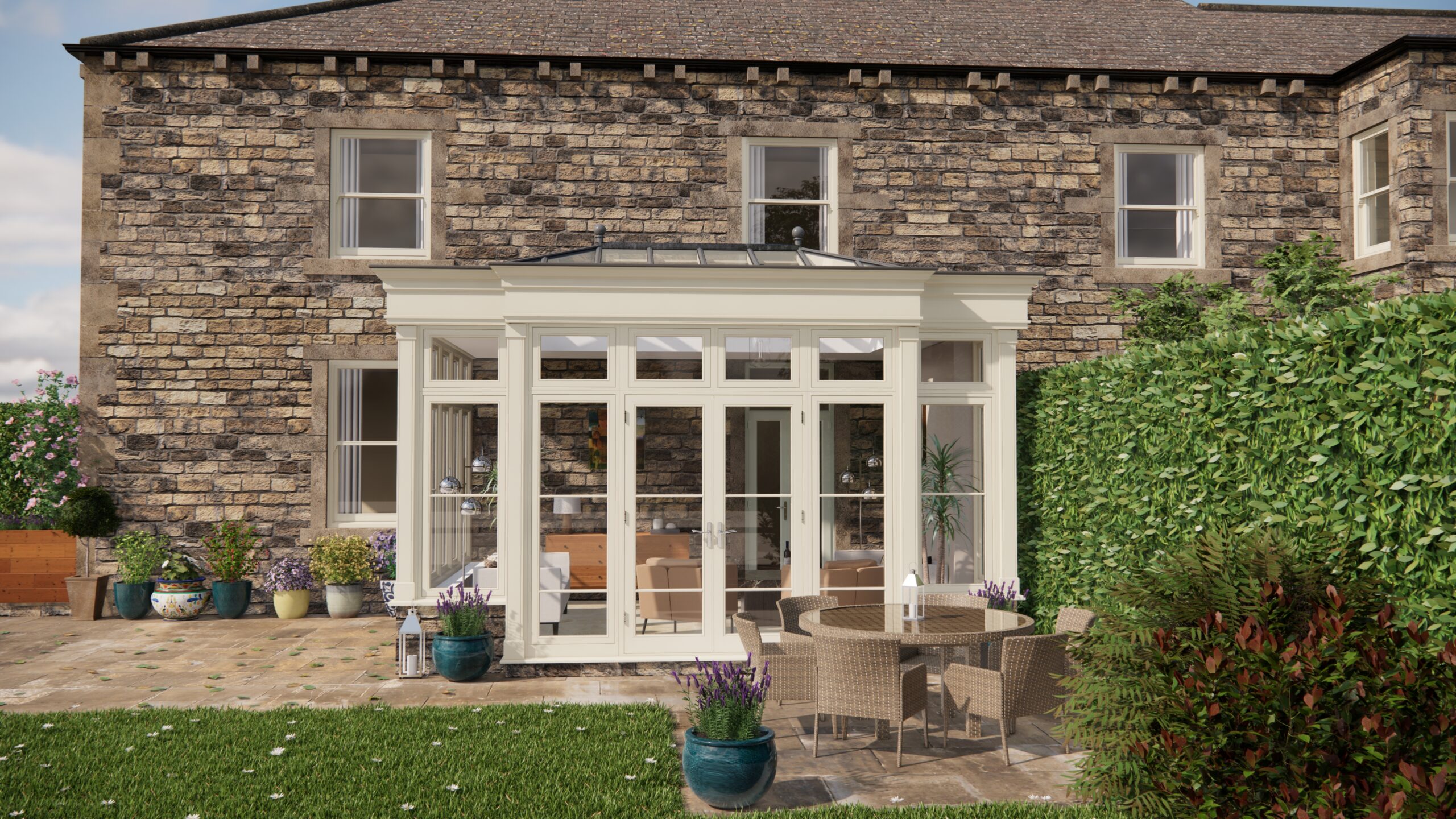
Molly also talked about incorporating more movement into her family’s routine, particularly yoga. “We started doing simple yoga routines together in the living room,” she said. “It’s a great way to unwind and reconnect, and the natural light just enhances the experience.” This led me to think about orangeries. Orangeries, with their walls of glass, offer the perfect environment for home yoga practice. The abundance of natural light, coupled with the sense of being connected to the outdoors, creates a calming and invigorating atmosphere. Imagine stretching into a sun salutation as the morning light streams through the windows, or winding down with a restorative pose as the evening sun sets. If space allows, the seamless integration of the outdoors that orangeries provide could dramatically improve the overall physical experience of the yoga practices.
Bringing It All Together: A Home That Nurtures
My conversation with Molly highlighted just how profoundly our home environment can impact our wellbeing, and especially the wellbeing of our children. By strategically maximising natural light and ventilation, creating light-filled and well-ventilated play and study spaces, considering how activities like yoga are boosted by the surrounding light, and even extending the feeling of natural light with the addition of orangeries, we can create a home that actively nurtures physical and mental health. It’s not just about aesthetics; it’s about creating a space that supports our bodies and minds, allowing us to thrive. So, take a look around your home. Are there ways you can let more light and air in? I bet there are, and the benefits are well worth the effort.