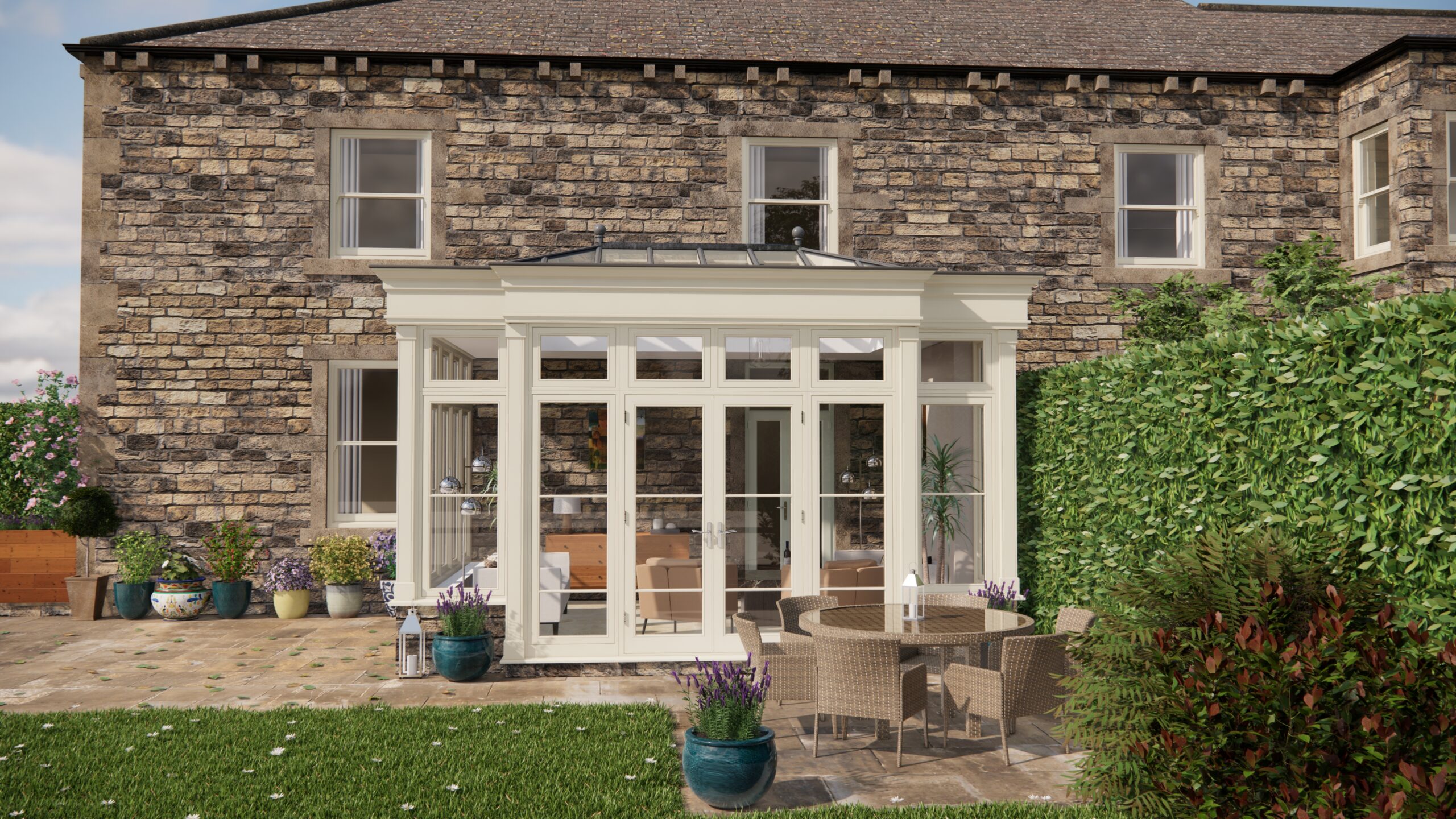
Right, let’s talk orangeries. Beautiful structures, flooding your home with light and a real extension of your living space. But before you get carried away with visions of potted citrus and sun-drenched afternoons, there’s something incredibly important you need to consider: the foundations. More specifically, how to keep them – and therefore your entire orangery – dry. I recently had to research this extensively for a project, and let me tell you, it’s a topic that deserves your full attention.
My research started with the dreaded ‘rising damp.’ This happens when groundwater is drawn up through the brickwork and mortar by capillary action. Imagine a sponge, slowly soaking up water from below – that’s your foundation if it’s not properly protected. The key here is a damp-proof course (DPC). Think of it as a waterproof barrier inserted into the wall, preventing that upward creep of moisture.
Choosing the right DPC material is crucial. There’s a whole range available, from traditional slate (which needs careful lapping and bedding) to modern plastics and even chemical injection methods. For existing structures, especially older ones, injecting a chemical DPC can be a good option as it’s less disruptive. For new builds, I found that a high-quality plastic DPC, properly installed during the bricklaying process, offers excellent long-term protection. The installation is relatively straightforward: it’s laid on a bed of mortar, overlapping the courses below, creating a continuous barrier.
But rising damp isn’t the only culprit. We also have to think about lateral damp penetration – water seeping in horizontally from the surrounding soil, particularly after heavy rain. And then there’s surface water ingress – rainwater splashing back up onto the walls or pooling around the base. For both of these, a damp-proof membrane (DPM) is your friend. A DPM is a sheet of waterproof material laid beneath the concrete floor slab. It acts as a barrier, preventing moisture from rising through the floor or seeping in from the sides. It should also be linked up to the DPC in the walls to create a fully sealed envelope.
When it comes to choosing the right DPM, consider the ground conditions. If you’re building on clay soil, for example, which is prone to expansion and contraction, you’ll need a more robust and flexible membrane. Similarly, if the ground is contaminated, you might need a specialist membrane that’s resistant to chemicals.
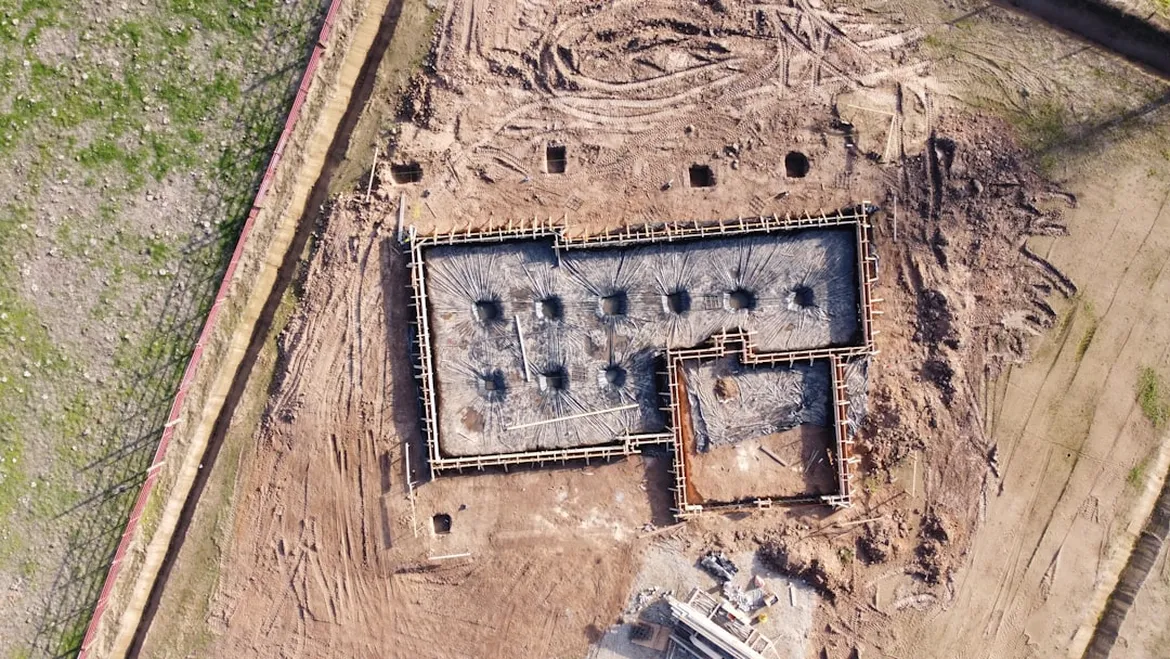
Now, let’s talk about different foundation types. Strip foundations are the most common choice for orangeries. These are concrete strips poured along the line of the walls, providing a solid base to build upon. But in areas with unstable ground or poor soil conditions, you might need to consider alternative foundation types, such as raft foundations or even piled foundations. A raft foundation is essentially a large concrete slab that distributes the weight of the building over a wider area. Piled foundations, on the other hand, use concrete or steel piles driven deep into the ground to reach a stable layer of soil. Choosing the right foundation type is absolutely critical for preventing settlement and structural problems down the line. Always consult with a structural engineer to assess the ground conditions and recommend the most suitable solution.
I had to delve into UK planning requirements too. If your property is a listed building, you’ll need to obtain Listed Building Consent before making any alterations, including building an orangery. Even if your property isn’t listed, you’ll still need to comply with Building Regulations, which set out minimum standards for construction, including damp proofing. This means submitting plans to your local building control department and having your work inspected at various stages. Don’t skip this step! Getting it wrong can lead to costly rework and potential legal issues.
Ensuring your orangery is properly dampproofed from the start is essential for its longevity and your peace of mind. Selecting the right DPC and DPM materials, installing them correctly, and choosing the appropriate foundation type for your specific ground conditions are all crucial steps. Then factor in all the planning hurdles and you have a serious job ahead of you, but hopefully these steps will help you understand what is required.
So, think of it as your starting point. Plan out your build meticulously, selecting the right materials. Engage with professionals where possible to ensure it’s not just the aesthetics that you are considering.