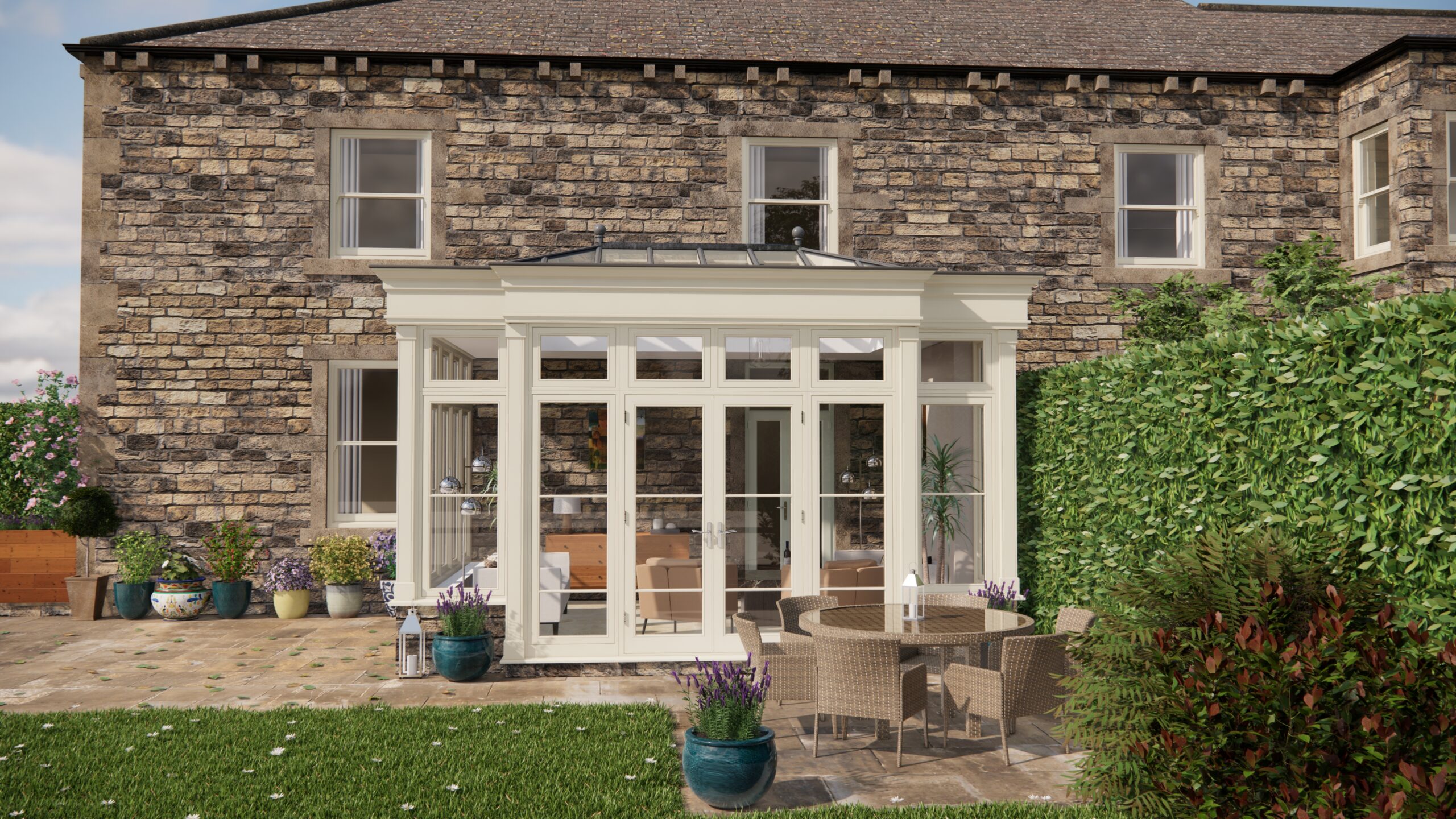
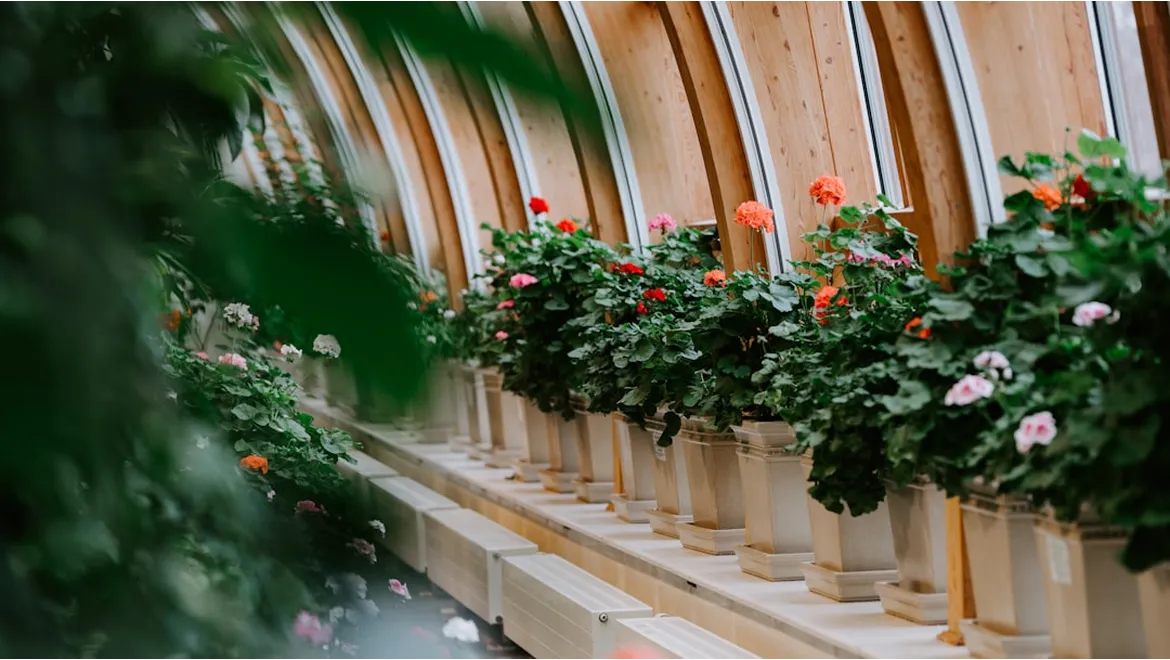
Right, let’s talk orangeries! For a long time, I’ve been fascinated by these elegant structures. I’ve always loved how they bridge the gap between home and garden. My recent deep dive into researching and writing about orangery construction, specifically focusing on glazing, has been incredibly insightful. I’m keen to share some of what I’ve learned with you. I’ll also explain what I came to learn from writing the article ‘Orangery Glazing and UK Planning Permission: A Detailed Guide to Regulations’, and I’m hoping it will save you some headaches.
First off, glass isn’t just glass! It’s a crucial design element that dictates light, temperature, and even security. The piece I was working on really opened my eyes to the sheer variety of options available.
Choosing the Right Glass: A Balancing Act
Choosing the right glass is a balancing act. You’ve got to juggle several factors, including thermal performance, aesthetics, and your budget. Believe me, there’s a considerable range! Low-emissivity (low-E) glass is pretty much essential these days. It reflects heat back into the orangery during the winter and keeps heat out in the summer. That’s massive for comfort and energy bills.
Then there’s solar control glass. This is a must if you’re in a sunny spot, preventing that uncomfortable greenhouse effect. You can also consider tinted glass to reduce glare.
Don’t forget about safety! Toughened or laminated glass is non-negotiable for roofs and large glazed areas. Toughened glass shatters into small, relatively harmless pieces, while laminated glass holds together even when broken, providing an extra layer of security.
Thermal Performance: Understanding U-Values
This is where things get a bit technical, but it’s important. U-values measure how well a material insulates – the lower the U-value, the better the insulation. The latest building regulations dictate minimum U-values for orangery glazing, so make sure your chosen glass meets these requirements.
Double glazing is standard, but triple glazing takes thermal performance to the next level. This is particularly beneficial if you’re planning to use your orangery year-round. The initial investment is higher, but the long-term savings on heating bills can be significant.
Aesthetics: Matching Your Home
Visually, the glazing should complement your existing property. You might consider leaded glass for a traditional look or frameless glazing for a contemporary design. Remember, the frames are just as important as the glass. Opt for materials that are durable, weather-resistant, and aesthetically pleasing. Aluminium frames are popular for their sleek appearance and low maintenance, while timber frames offer a more classic feel.
Navigating Planning Permission and Building Regulations
Here’s where my research for the detailed guide on glazing and planning permission really came in handy. UK planning regulations can be a minefield, especially when it comes to orangeries.
Permitted Development Rights (PDR) often allow you to build an orangery without full planning permission, but there are strict limitations on size, height, and proximity to boundaries. It’s crucial to understand these limitations to avoid falling foul of the rules. My understanding is that, typically, so long as your outbuilding is less than 3 metres in height and does not project further than 4 metres out from the back wall of your house, or more than half the area around the original house then you are in the clear but you should seek professional advise. The detailed guide I reviewed provides excellent detail on navigating the PDR’s.
Listed buildings are a different kettle of fish altogether. Any alterations, including glazing, will require Listed Building Consent. Expect a much more rigorous application process, with a strong emphasis on preserving the building’s character and architectural integrity. Be prepared to use sympathetic materials and designs that blend seamlessly with the existing structure.
Even if you don’t need full planning permission, building regulations will still apply. This covers things like structural integrity, fire safety, and energy performance. You’ll need to submit detailed plans and calculations to your local building control department for approval.
Practical Tips for Compliance
- Consult a professional: Seriously, engage an architect or experienced orangery builder from the outset. They can advise on design, materials, and planning regulations.
- Check with your local planning authority: Before you start any work, contact your local planning authority to confirm whether you need planning permission or Listed Building Consent.
- Gather evidence: Take photographs of your existing property and surrounding area. This will be helpful when preparing your planning application.
- Be prepared to compromise: The planning process can be lengthy and complex. Be prepared to make changes to your design to meet the requirements of the planning authority.
From the selection of glazing materials, through the specifics of thermal performance and visual considerations, to the final hurdle of planning permission and building regulations, a holistic approach is vital. By prioritising energy efficiency, choosing glass and frames that complement your home, and ensuring full compliance with UK regulations, you can create an orangery that is beautiful, functional, and a valuable addition to your home. Consider the whole process carefully, it will make for a far better end result.