Right, let’s delve into the fascinating world of orangeries. Recently, I had a really insightful chat with Peter, a historian with a passion for architectural heritage, and we geeked out over the evolution of orangeries and their outbuildings. It was less a formal interview and more a relaxed discussion, fueled by copious amounts of tea and biscuits, about how these stunning structures have changed through the ages.
A Brief History Lesson
Peter started by painting a picture of the early orangeries. Imagine, if you will, 16th-century Italy. Citrus fruits, those exotic delicacies, needed winter shelter. Hence, the first orangeries were born – simple, practical structures designed to protect these precious trees from frost. He explained that these initial designs were far removed from the grand, light-filled spaces we often associate with orangeries today. They were primarily functional, more like glorified sheds with large, south-facing windows. The focus was entirely on preserving the plants, not on lavish entertaining.
The Rise of the Status Symbol
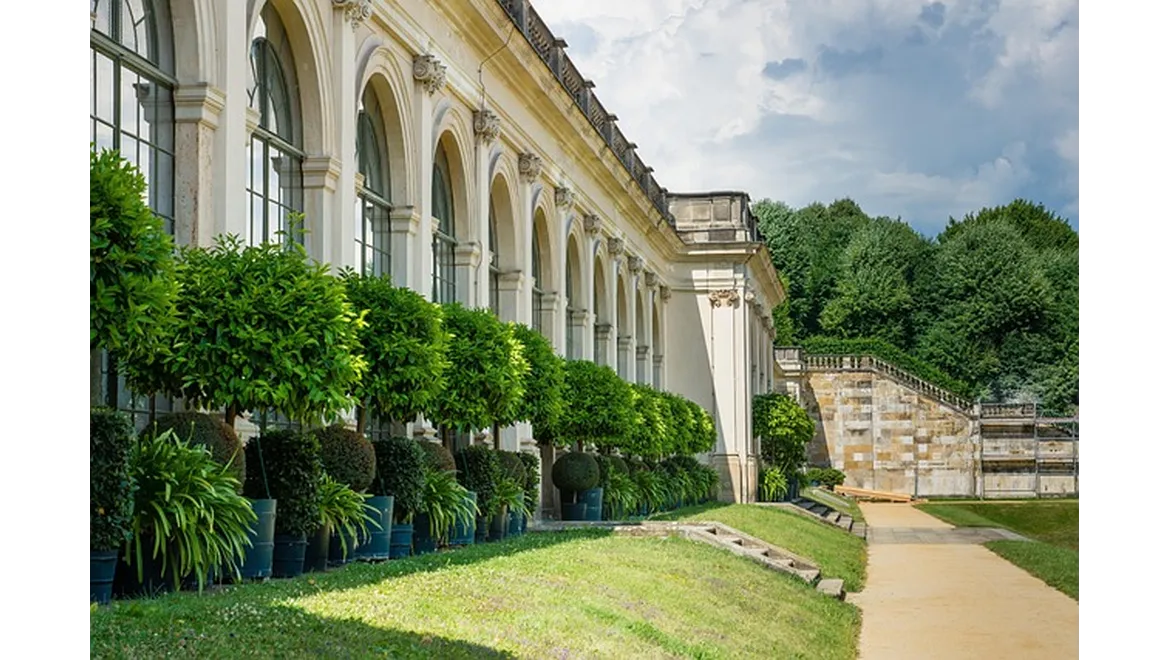
Fast forward to the 17th and 18th centuries, and the orangery began its transformation into a status symbol. As they spread across Europe, particularly in France and England, they became larger, more ornate, and integrated into the landscape of wealthy estates. Peter highlighted that owning an orangery wasn’t just about growing oranges; it was about showcasing wealth, horticultural expertise, and good taste. The size and design of the orangery became a direct reflection of the owner’s social standing. He mentioned the importance of architects like André Le Nôtre, who designed magnificent orangeries as part of grand landscape designs, further cementing their association with power and prestige.
Construction and Materials: A Comparative Look
Our discussion then drifted towards the nitty-gritty of construction. Early orangeries typically used locally sourced materials – brick, stone, and timber. Heating was a constant challenge, with rudimentary systems like braziers or underfloor heating using hot air ducts. Peter emphasized how the evolution of glassmaking was crucial. As glass became cheaper and more readily available, orangeries incorporated larger windows, maximising sunlight and creating warmer, brighter spaces. The Victorians, with their love of elaborate ornamentation, took things to another level, incorporating cast iron and intricate glazing patterns.
Modern Orangeries: Bridging the Past and Present
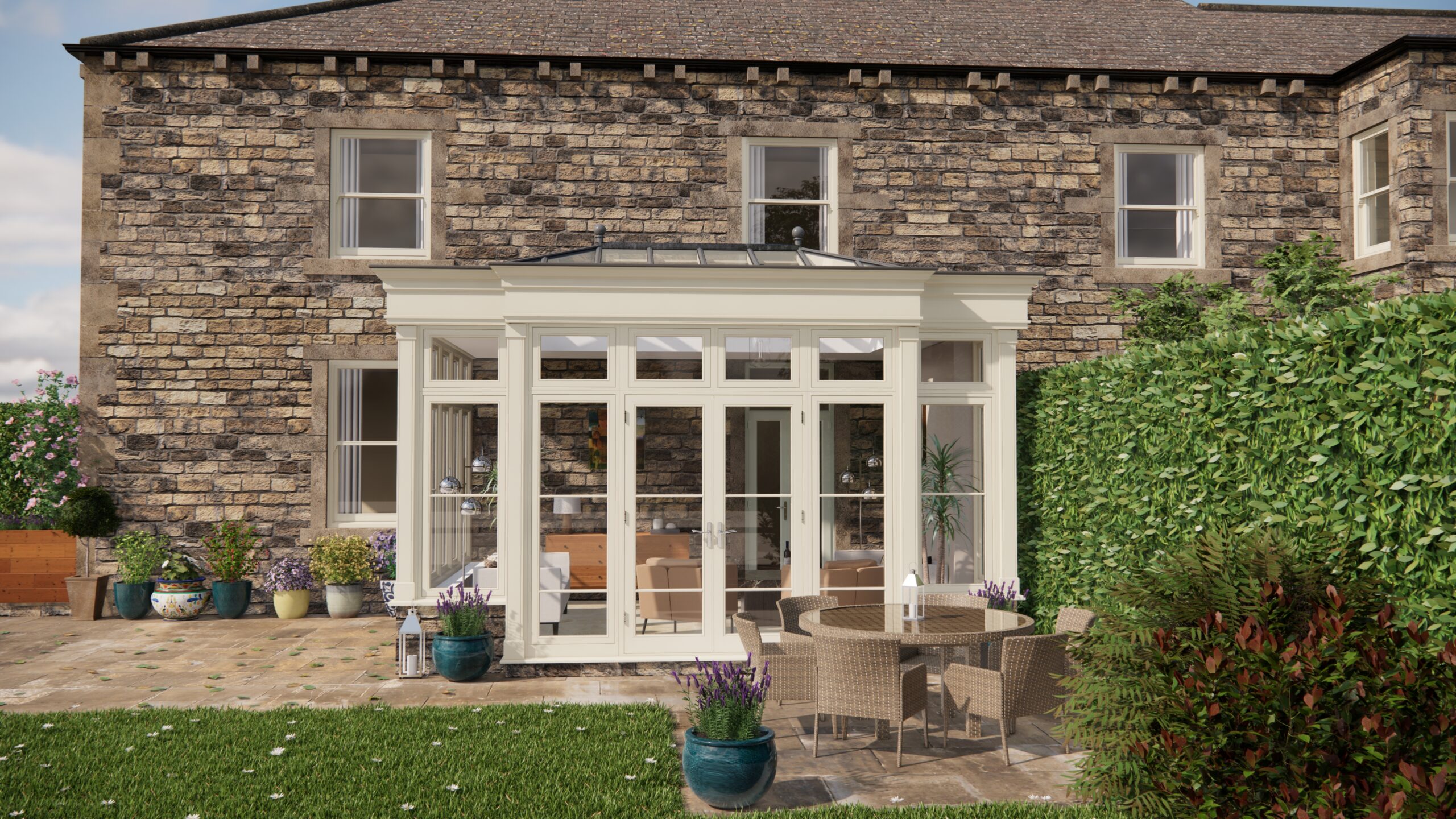
We then moved onto the contemporary orangery. Peter believes that while the function has changed, the underlying allure remains. People still build orangeries to connect with nature, to create beautiful, light-filled spaces for relaxation and entertainment. However, modern construction techniques and materials have transformed the process. He pointed out the availability of high-performance glazing, sophisticated heating systems, and sustainable materials make it possible to create orangeries that are both aesthetically pleasing and environmentally friendly.
UK Planning and Building Regulations: A Necessary Evil
Of course, any discussion about building in the UK has to touch on planning and building regulations. Peter stressed the importance of thorough research and consultation, especially when dealing with listed buildings. Matching materials to the existing property is crucial, and ensuring the structure is secure, dampproofed, and adequately heated requires careful planning and adherence to building regulations. He recommended seeking advice from conservation officers and experienced builders to navigate the complexities of the planning process.
He also mentioned the party wall act, and how this can impact on neighbours.
In Summary
So, what did I take away from my chat with Peter? Orangeries have come a long way from their humble beginnings as simple citrus shelters. They’ve served as status symbols, reflections of societal values, and now, beautiful additions to modern homes. While the design and construction techniques have evolved dramatically, the underlying connection to nature and the desire for light-filled spaces remains constant. Whether you’re restoring a historic orangery or building a new one, understanding their history and embracing modern techniques is key to creating a space that is both beautiful and functional.