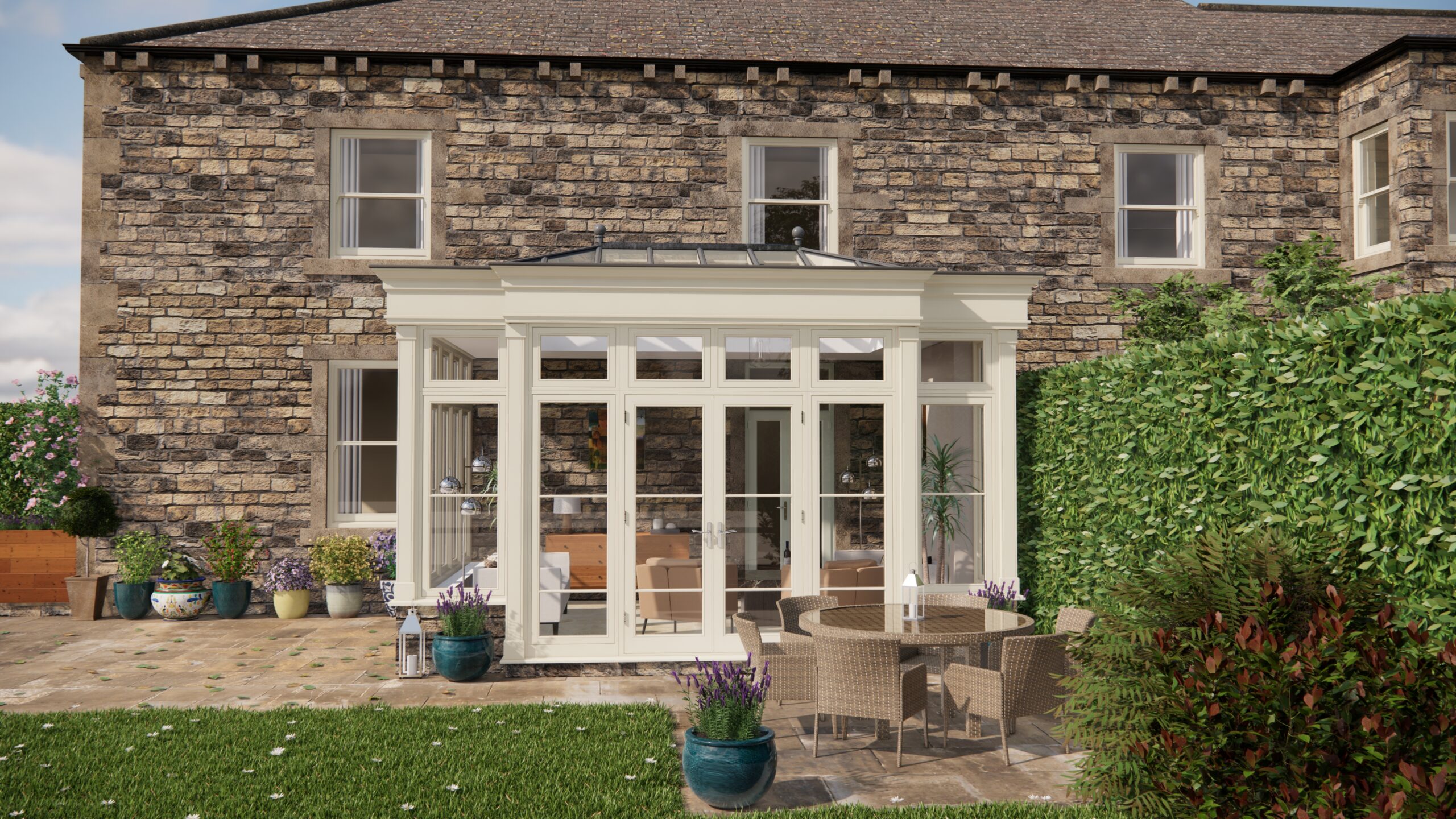
Right, let’s dive into the surprisingly intricate world of building orangeries on listed properties! I was chatting with Molly the other day, who’s just started looking into adding an orangery to her lovely, Grade II listed Georgian house. She was feeling a bit overwhelmed by the whole process, especially the structural engineering and building regulations side of things, so I thought I’d share what we talked about. It’s definitely a journey, but a rewarding one!
The Foundation of it All (Literally!)
The first thing we discussed was the foundations. Molly’s house sits on clay soil, which can be… challenging. Listed buildings often have delicate foundations, and adding an orangery significantly increases the load. We talked about different foundation options. Standard concrete strip foundations might be suitable if the ground conditions are stable and the existing building’s foundations are robust. However, for more sensitive situations, options like pile foundations or raft foundations might be necessary. These distribute the load more evenly and minimise the risk of disturbing the original structure. Crucially, a structural engineer needs to carry out a thorough site investigation, including soil testing, to determine the most appropriate and safe foundation design. Don’t even think about skipping this step – it’s fundamental!
Load-Bearing Walls: Blending Old and New
Then we moved onto load-bearing walls. This is where things get really interesting. The orangery will need walls to support its roof, and if you’re connecting it to the main house, you’ll likely need to create an opening in an existing wall. This can have a significant impact on the structural integrity of the listed building. We explored the need for careful calculations to determine the load transfer and ensure the existing walls can handle the added weight. Steel beams are often used to reinforce openings and distribute the load. The key is to integrate these modern elements seamlessly into the existing structure, respecting the original building’s character. This often means concealing beams within the wall cavity or using traditional materials and finishes to blend them in. Again, your structural engineer is your best friend here – they’ll provide detailed drawings and calculations that are essential for listed building consent.
Roof Structures: Finding the Right Fit
Next up: the roof. The roof structure is a major design element of an orangery, and it needs to be both aesthetically pleasing and structurally sound. We discussed different options, from traditional timber frames to modern steel structures. Timber is often favoured for its aesthetic appeal and ability to blend with the existing building, but it needs to be properly treated to prevent rot and insect infestation. Steel offers greater strength and allows for larger spans, but it can be more challenging to integrate seamlessly into a traditional design. The roof needs to be designed to withstand wind and snow loads, and the supporting walls need to be strong enough to bear the weight. Calculations, calculations, calculations! Seriously, don’t wing it.
Fire Safety: Protecting Heritage and Inhabitants
Finally, fire safety. This is a non-negotiable aspect of building regulations. Listed buildings often have inherent fire risks due to their age and construction materials. The orangery needs to be designed to minimise these risks and provide adequate fire protection. This might involve installing fire-resistant doors and windows, using fire-retardant materials in the construction, and ensuring adequate fire detection and alarm systems. Escape routes need to be carefully considered, and the orangery should be designed to allow occupants to evacuate safely in the event of a fire. Consultation with a fire safety officer is highly recommended to ensure compliance with all relevant regulations.
Building Regulations: A Necessary Evil (Almost)
Throughout all of this, Molly and I kept coming back to building regulations. These regulations are in place to ensure the safety and structural integrity of the building. They cover everything from foundations to fire safety, and compliance is mandatory. Navigating these regulations can be complex, especially for listed buildings. That is why it’s worth considering engaging a building regulations consultant. A consultant can help you understand the regulations and ensure your design meets all the requirements. Remember, getting approval from the local building control department is essential before starting any construction work.
So, to recap, building an orangery onto a listed building demands a delicate balance of respecting heritage, adhering to regulations, and ensuring structural integrity. It all starts with a thorough site investigation and engaging a qualified structural engineer and other appropriate professionals. Consider soil conditions when planning your foundations, ensure any new walls can support their loads, and don’t neglect fire safety! By taking a thoughtful and meticulous approach, you can create a beautiful and functional orangery that enhances your listed property for years to come.