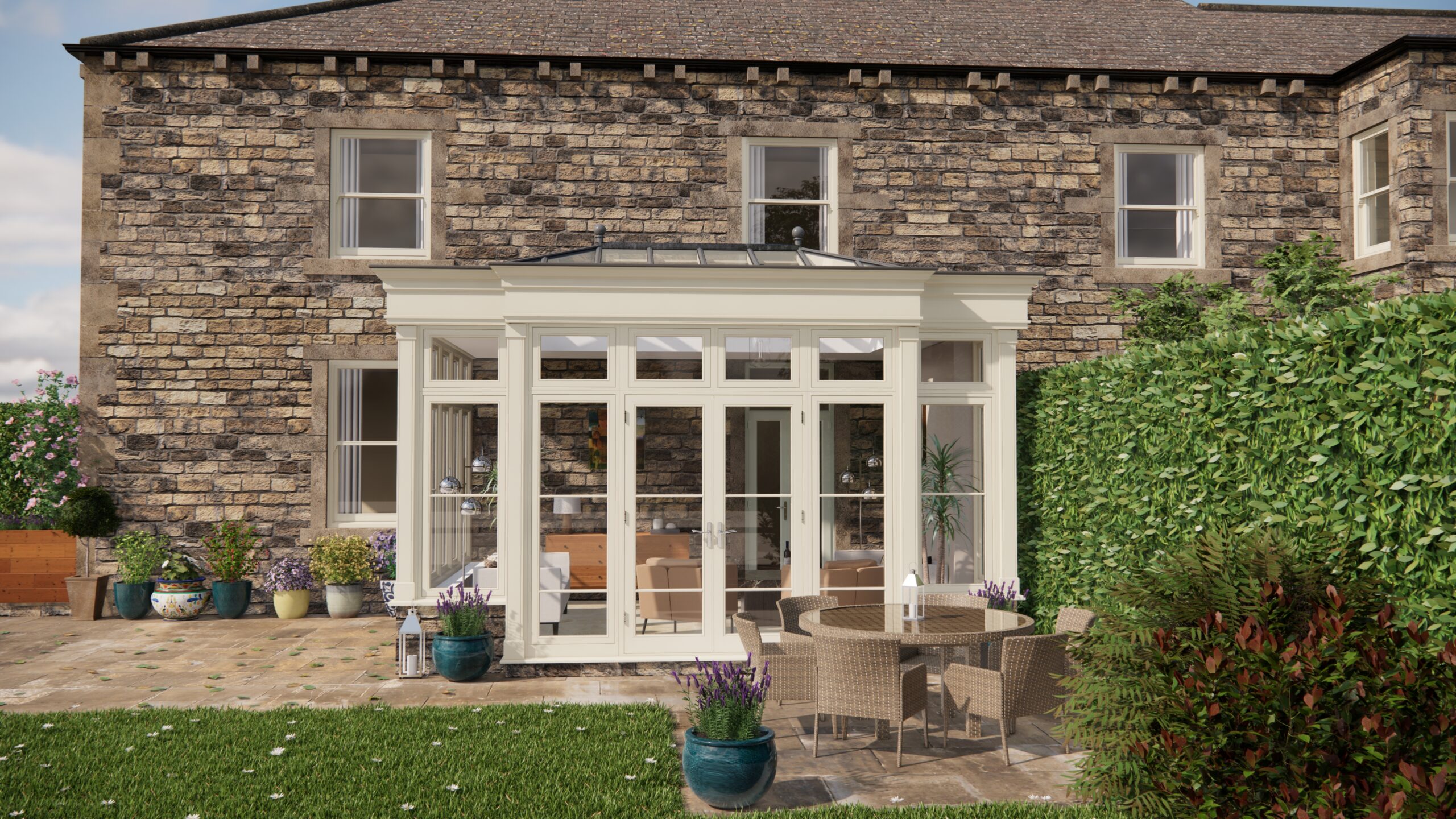
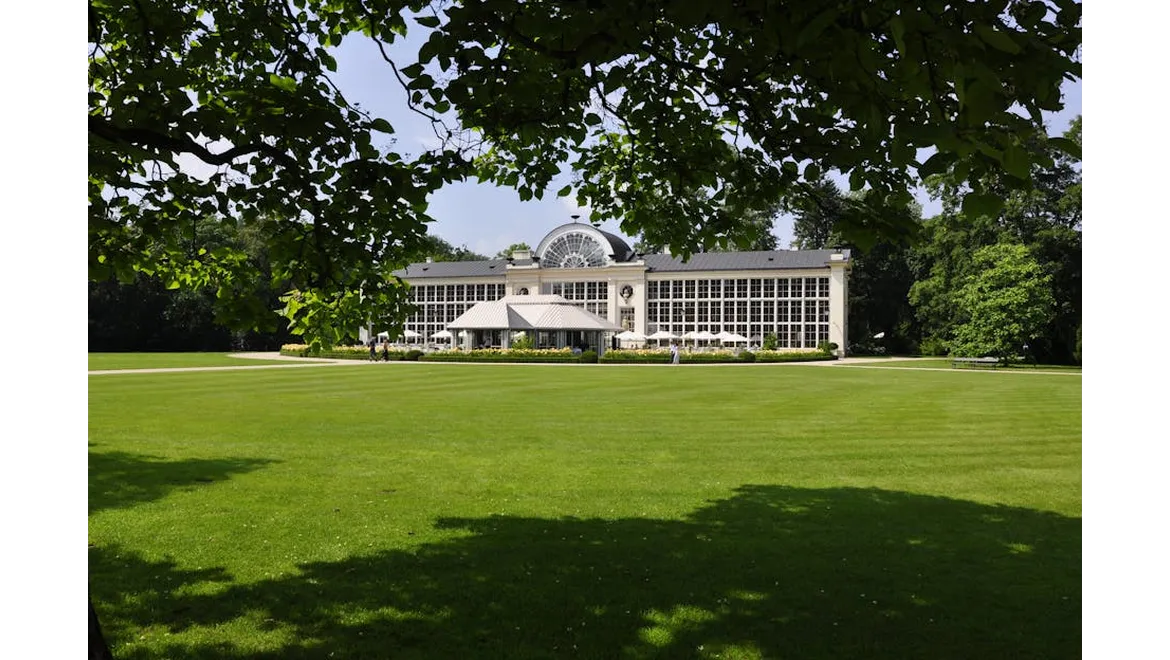
Right, so I was chatting with Nicole the other day, and she’s dead keen on adding an orangery to her place. Her house is lovely, proper old thing, and it sits slap-bang in the middle of a conservation area. Straight away I knew she’d need to be careful. Planning permission for orangeries and outbuildings can be a proper minefield, especially when you throw conservation areas and listed buildings into the mix!
“So, Nicole,” I said, settling back with a cuppa. “First things first, forget everything you think you know about ‘permitted development rights’. In a conservation area, those rights are often significantly restricted, if not completely gone. It’s like they turn the ‘easy mode’ off.”
Understanding Permitted Development: A False Friend in Conservation Areas
Permitted development rights generally allow you to make certain alterations or extensions to your home without needing full planning permission. Think of it as a sort of ‘get out of jail free’ card, but remember those are few and far between. For instance, you might be able to build a small outbuilding without planning permission if it meets specific size and location criteria. But as soon as you’re in a conservation area (or your building is listed), that ‘get out of jail free’ card gets confiscated. Most likely you will need to apply for full planning permission.
Navigating the Planning Application Maze
I explained to Nicole that she would almost certainly need to apply for planning permission. That means preparing detailed plans, elevations, and a design and access statement. The design and access statement is crucial. It’s where you explain why your proposed orangery is appropriate for the conservation area and how it preserves the character and appearance of the area.
“Think about it from their perspective, Nicole,” I said. “The planning officers want to see that you’ve considered the impact on the surrounding buildings and the wider environment. They’re looking for a design that’s sympathetic to the existing architecture, not something that sticks out like a sore thumb.”
Materials Matter: Matching the Existing Aesthetic
We talked about materials. This is a big one. Shiny, modern materials are generally a no-no in conservation areas. Think about using traditional materials that complement your existing property – brick, natural stone, timber. The planners will scrutinise this closely.
“Matching the brickwork is essential, Nicole,” I advised. “And consider the style of the windows and doors. Timber frames are often preferred over uPVC in conservation areas. It’s all about blending in, not standing out.”
Listed Buildings: A Whole Other Level of Complexity
Thankfully, Nicole’s house isn’t listed, but I wanted to give her a heads-up anyway. If you do own a listed building, adding an orangery or outbuilding becomes exponentially more complicated. You’ll need listed building consent as well as planning permission. Listed building consent focuses specifically on preserving the historical and architectural significance of the building. Expect even stricter requirements on materials and design.
Beyond Planning: Building Regulations and Practical Considerations
Planning permission is just the first hurdle. Building regulations cover the structural integrity, safety, and energy efficiency of your new orangery. You’ll need to ensure that it’s properly insulated, damp-proofed, and structurally sound. This involves working with a qualified builder and potentially a structural engineer.
“Think about heating, Nicole,” I said. “Underfloor heating can be a good option, as it’s less intrusive than radiators. And make sure the orangery is properly ventilated to prevent dampness. Security is important too – consider strong locks and security lighting.”
Keeping it Legal and Respectful
I emphasised the importance of sticking to the approved plans. Don’t deviate from them without getting approval first. Even minor changes can lead to enforcement action from the local authority. And remember, the goal is to enhance your home while respecting the character of the conservation area. It’s a balancing act, but with careful planning and a bit of research, it can be done successfully.
To recap, the key takeaways for building an orangery or outbuilding in a conservation area are: check if permitted development rights apply (unlikely), prepare a detailed planning application with a strong design and access statement, use sympathetic materials that match the existing property, comply with building regulations and consider energy efficiency and security. And most importantly, be respectful of the character and appearance of the area.