Just finished a fascinating chinwag with Charles about the future of orangeries and outbuildings – you know, those beautiful extensions that blur the line between indoors and out. We were chewing the fat about where things are headed in terms of design, tech, and, crucially, building more sustainably here in the UK.
“So, Charles,” I started, grabbing another biscuit, “where do you see orangeries going? It feels like they’re more than just posh conservatories these days.”
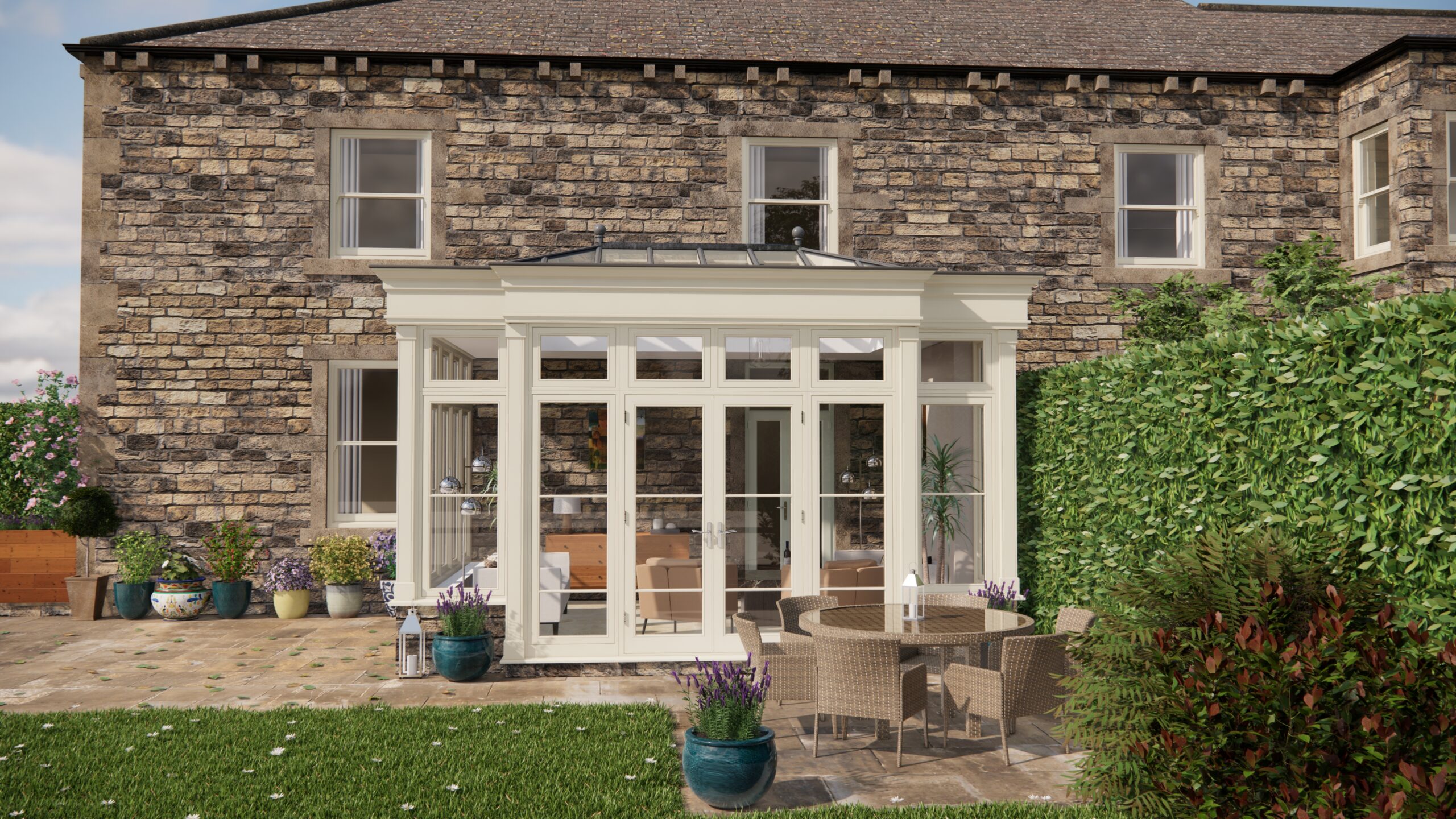
He chuckled. “Exactly! The biggest shift I’m seeing is a move towards integration. People aren’t just tacking on an orangery; they want it to feel like a natural, flowing part of the existing house. Think open-plan living with bi-fold doors, seamlessly connecting the kitchen to the garden.”
Design Trends: Blurring the Lines
That really resonated. The trend towards larger glazed areas definitely makes the garden feel closer, even on a rainy day. Charles mentioned the rise of minimalist designs, too, with clean lines and less ornate detailing. This ties into the sustainable aspect, as simpler designs often mean less material waste. Consider the use of composite materials which mimic the look of wood but are longer lasting and lower maintenance or even opting for a metal framework which offers a more modern aesthetic. When planning your orangery the more seamless it is to the existing structure the more it will feel like a natural addition.
Tech Integration: Smart Homes Extend Outdoors
Then we got onto tech. “It’s not just about underfloor heating anymore,” Charles said, eyes twinkling. “We’re talking smart glass that tints automatically to regulate sunlight and heat, integrated lighting systems controlled by your phone, and even weather-sensitive ventilation. Imagine your orangery automatically adjusting to create the perfect environment!”
I was sold. Thinking about installing sensors that measure humidity and temperature to open vents automatically. This is also where efficient heating solutions become critical for a low carbon foot print. You can even use infrared systems to help reduce energy consumption.
Sustainability: Building a Greener Future
This led us nicely onto the crucial topic of sustainability. Charles was passionate about this. “People are becoming much more aware of their environmental impact,” he explained. “They’re asking about responsibly sourced timber, high-performance glazing to minimise heat loss, and solar panels integrated into the roof. We’re even seeing interest in green roofs – turning the orangery roof into a mini garden!”
It’s really a full circle solution – building sustainability and building for the future. Consider the use of insulation materials like recycled content and the reduction of energy consumption with renewable heating and lighting systems.
Planning Permission and Building Regulations: Staying on the Right Side of the Law
Of course, no discussion about orangeries is complete without mentioning the dreaded planning permission and building regulations. Charles stressed the importance of doing your homework. “Permitted development rights can be tricky,” he warned. “Just because you think you don’t need permission, doesn’t mean you’re right. Always check with your local planning authority. And don’t forget about building regulations covering things like insulation, structural integrity, and fire safety.”
He highlighted the particularly sensitive areas: listed buildings and conservation areas. If you’re dealing with those, expect extra scrutiny and potential restrictions on materials and design. In these cases, consulting a heritage architect is usually a wise move. They will fully understand the requirements of your local council and the sensitivities of your property. A comprehensive building inspector will ensure the building regulations are met and this will give you piece of mind with such an investment.
Key takeaways:
Our conversation highlighted the key trends shaping the future of orangeries: seamless integration with existing homes, adoption of smart technologies, and a strong focus on sustainable building practices. Always consider the design and materials to ensure they complement your current property. Planning permission can be daunting, but by being aware of potential pitfalls and seeking expert advice when needed, you can navigate the process smoothly and create a space that you love for years to come.