
Right, let’s dive into the fascinating world of orangeries and outbuildings, viewed through the lens of historical evolution. I had a cracking conversation with Imogen the other day – she’s a proper history buff with a real passion for architectural styles, and it really got me thinking about more than just bricks and mortar.
Setting the Scene: Why History Matters
Before we even started talking about specific eras, we agreed on one key point: understanding the historical context is vital. It’s not just about mimicking a past style; it’s about appreciating why things were built the way they were, the materials available, and the functions they served. This understanding informs modern design, helping us blend new builds seamlessly with existing properties, especially important when considering listed buildings. It also helps with navigating current building regulations.
A Glimpse into the Past: Tracing the Timeline
Our conversation naturally started with the origins of the orangery. Imogen pointed out that they weren’t always the grand, light-filled spaces we picture today. Early orangeries, popping up in the 17th century, were primarily functional – designed to protect citrus trees from frost in the winter. Think thick walls, small windows, and a focus on maintaining temperature rather than maximizing light. These were status symbols, showcasing the owner’s wealth and access to exotic fruits.
Replicating this: If you’re aiming for a truly historically accurate orangery of this period you would need to use thicker walls, smaller windows and a restricted palette of materials. The focus would have to be on maintaining the temperature and minimising light leakage.
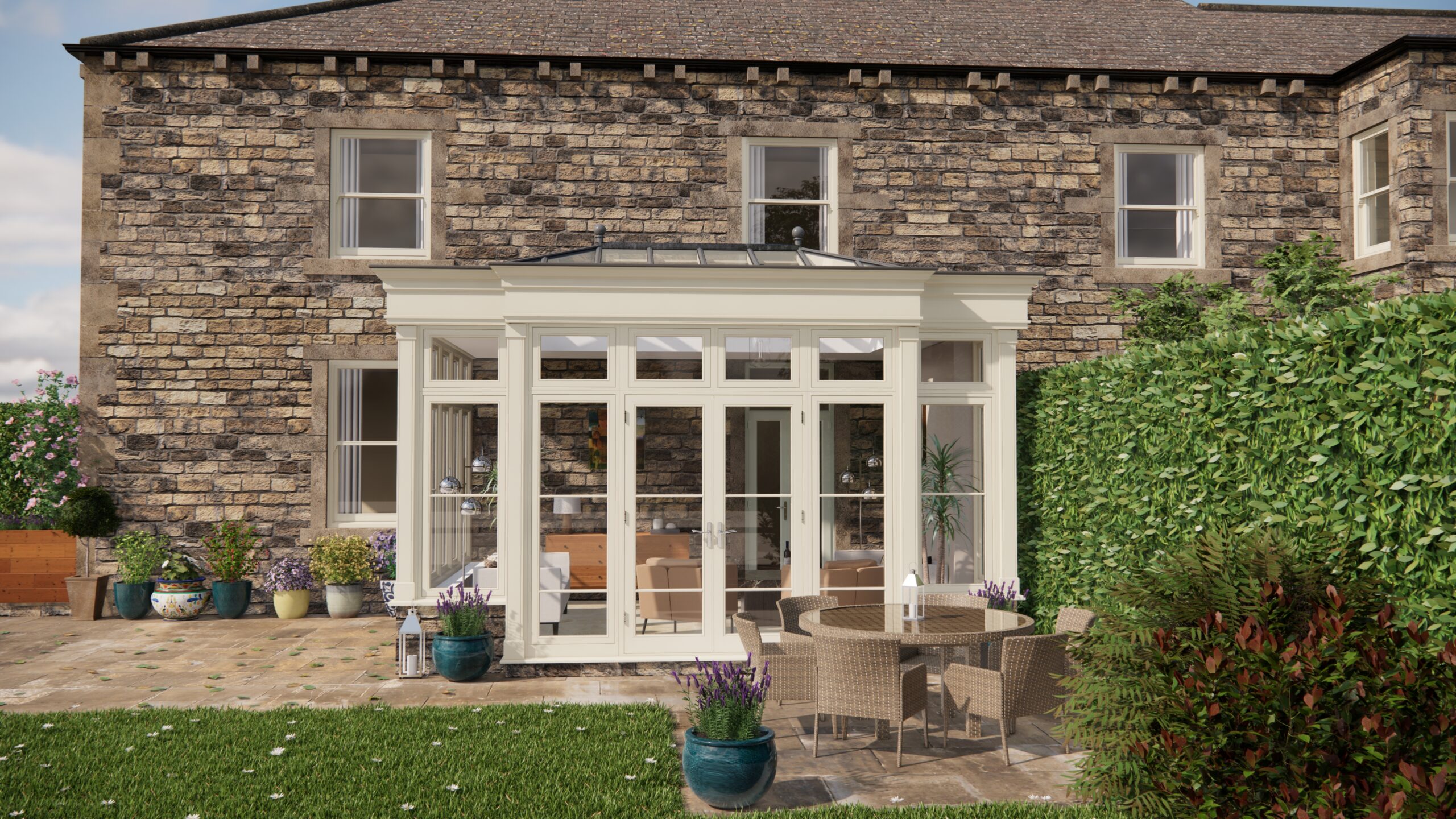
Fast forward to the 18th and 19th centuries, and we see a shift. The Georgian and Victorian eras brought advancements in glass production. Orangeries transformed into lighter, brighter spaces, increasingly integrated into the main house. They became more than just greenhouses; they were places for entertaining, relaxing, and displaying collections of plants. This era also saw a wider variety of materials used, including cast iron and more decorative stonework.
Replicating this: If you are trying to replicate this then you need to consider the use of improved glass production, more integrated connections to the main house and a more decorative set of materials like cast iron and stonework.
Materials and Matching the Existing Property
One thing Imogen stressed was the importance of material choice, which is central to successfully matching any new structure to an existing property. She walked me through various examples, highlighting how local materials were often used out of necessity and how this contributed to the regional variations in architectural styles. Using local materials can not only ensure visual harmony but also minimize the environmental impact of construction, ticking the sustainability box we talked about.
Replicating this: If you are trying to replicate this you would need to consider using local materials that match the architecture of the local area. This also has the potential to minimise the environmental impact of construction.
For instance, if you’re building an orangery adjacent to a traditional Cotswold stone house, using matching stone for the base and complementing it with timber framing painted in a period-appropriate colour would be a sensible approach. Conversely, a modern glass and steel structure might look jarring. Planning regulations, particularly for listed buildings, often mandate the use of sympathetic materials.
Functionality and Modern Adaptations
While respecting historical styles is crucial, Imogen also emphasized the need to adapt these structures to modern living. We can’t expect to build an orangery today exactly as it would have been built in the 17th century. Energy efficiency, damp proofing, and security are all paramount concerns. She suggested incorporating modern insulation within traditional wall constructions, using double-glazed windows that mimic the appearance of single-paned glass, and installing discreet security systems.
Replicating this: If you are trying to replicate this then you must consider modern adaptations to meet building regulations, security and energy efficiency standards. These must be incorporated discreetly so as not to detract from the historical authenticity.
Geothermal and solar: The use of geothermal heating and solar panel installations might seem far removed from the original designs, but there is ways to discreetly integrate these. Ground source heat pumps are completely invisible as they are situated underground. Similarly if the orangery is south facing then solar panels might be possible on the roof. Solar tiles are also becoming a popular solution as they look like roof tiles.
Planning and Regulations
Of course, any discussion about building orangeries in the UK inevitably leads to planning requirements. Imogen explained the differences between building regulations, which govern the structural integrity and safety of the building, and planning permission, which relates to the visual impact and compatibility of the structure with its surroundings. Listed buildings, of course, have even stricter requirements.
She advised always consulting with a planning officer early in the design process to avoid potential pitfalls and delays. It’s also wise to engage a qualified architect or heritage consultant with experience in working with historic properties.
Replicating this: If you are trying to replicate this process then you must consult a planning officer early in the design process to avoid potential pitfalls and delays. Engage a qualified architect with experience in working with historic properties to help ensure a smooth process.
In Summary:
My chat with Imogen was incredibly insightful. By understanding the historical evolution of orangery design, we can better appreciate the nuances of architectural styles, make informed decisions about materials, and adapt these structures to meet the demands of modern living, whilst remaining respectful of the historical context. Carefully consider historical styles when matching the materials. And remember to always consult with planning officials and qualified professionals early in the process.